
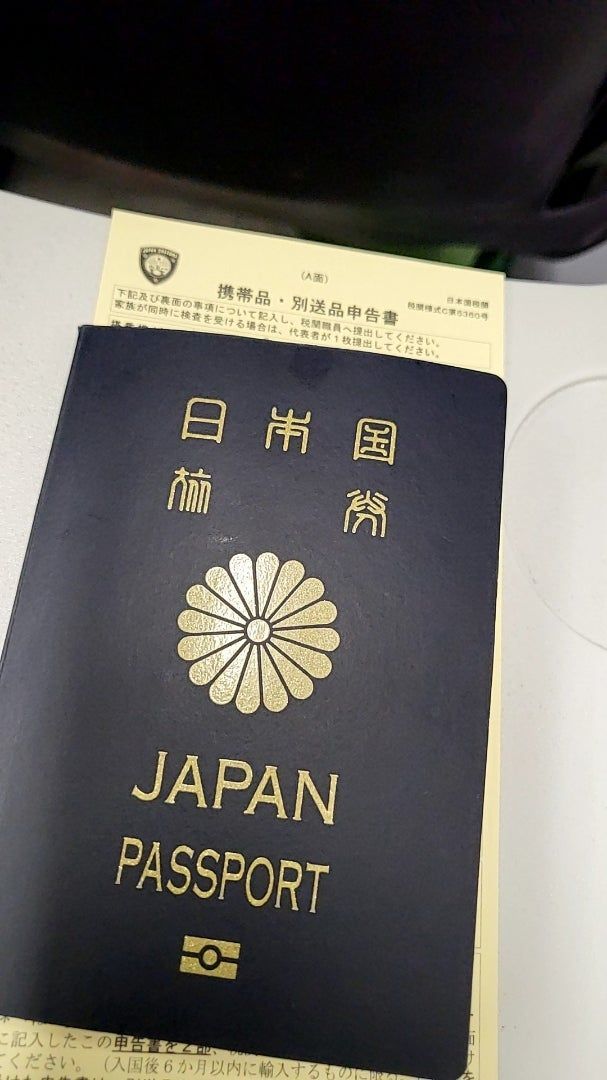
Japanese is a unique and fascinating language spoken by millions worldwide. It’s deeply tied to culture, technology, and travel. While it may seem challenging because of its writing systems and grammar, beginners can make steady progress with the right approach.
1. Focus on Listening and Speaking First
Before diving into writing, prioritize listening and speaking. Japanese pronunciation is consistent, so start with greetings, basic phrases, and common expressions. Listening to native speakers and repeating aloud builds confidence.
2. Learn Hiragana Gradually
Hiragana is the foundation of Japanese writing. Learn a few characters each day instead of trying to memorize all at once. This allows you to start reading simple words and sentences early on.
3. Learn Practical Everyday Phrases
Learning phrases used in daily life makes Japanese immediately useful. Focus on introductions, greetings, asking questions, and polite expressions.
4. Listen to Japanese Every Day
Daily listening improves comprehension and pronunciation. Beginner-friendly videos, slow podcasts, and simple dialogues are excellent tools. Even 10–15 minutes per day makes a noticeable difference over time.
5. Learn Grammar Through Examples
Japanese grammar differs from English but is logical. Learn grammar through real sentences rather than isolated rules. This helps you understand how Japanese is actually used in conversation.
6. Speak Out Loud Regularly
Speaking reinforces vocabulary and grammar. Repeat dialogues, shadow audio lessons, or read sentences aloud. Regular speaking practice accelerates fluency.
7. Use Structured Learning Resources
Because Japanese has multiple writing systems and unique grammar, structured lessons are particularly helpful. Organized courses guide beginners step by step and prevent confusion. Explore Japanese courses at
You can also browse all available language courses here:
8. Be Consistent and Patient
Short, daily study sessions are more effective than long, irregular ones. Consistency builds retention and confidence. Celebrate small milestones like reading your first sentence or holding a short conversation.
Final Thoughts
Learning Japanese is challenging but highly rewarding. By focusing on listening, speaking, daily practice, and structured lessons, beginners can build real communication skills over time.
If you’re looking for a beginner-friendly Japanese course, explore structured lessons here: