
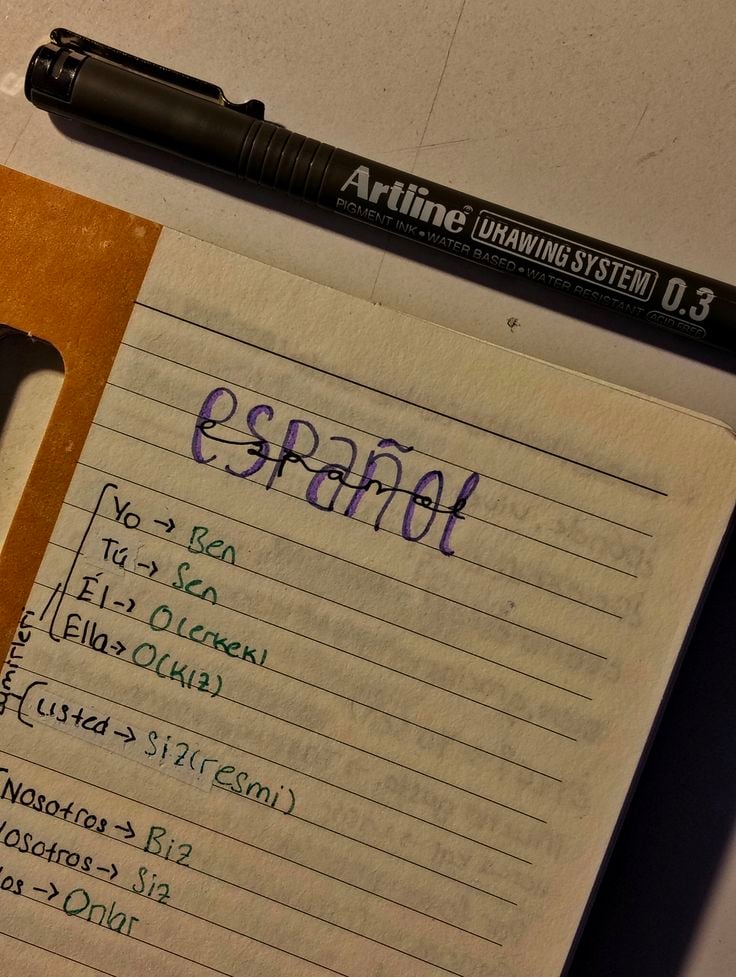
Spanish is one of the most useful languages you can learn. It’s spoken by hundreds of millions of people across Europe, Latin America, and the United States. Whether you’re learning Spanish for travel, work, cultural connection, or personal growth, having a clear learning strategy makes all the difference.
Success in Spanish doesn’t require talent — it requires structure and consistency.
1. Start With Practical Spanish Communication
Focus first on everyday phrases you’ll actually use. Greetings, introductions, polite expressions, and simple questions allow you to communicate quickly and build confidence early.
Learning useful Spanish from day one keeps motivation high.
2. Improve Listening Skills Daily
Listening is essential for understanding pronunciation and rhythm. Watch beginner-friendly videos, listen to slow Spanish podcasts, and repeat what you hear.
Even 10–15 minutes of daily listening helps your brain adapt to natural speech patterns.
3. Speak Spanish From the Beginning
Don’t wait until you feel “ready.” Speaking early builds fluency faster. Repeat sentences aloud, practice short conversations, and try forming simple statements on your own.
Mistakes are part of the learning process — they help you improve.
4. Learn Grammar Through Real Examples
Spanish grammar becomes much easier when learned in context. Instead of memorizing rules, focus on how sentences are formed in real conversations.
Start with:
- Present tense verbs
- Basic sentence structure
- Common question forms
This approach makes grammar feel natural rather than complicated.
5. Build High-Frequency Vocabulary
Focus on the most commonly used Spanish words first. High-frequency vocabulary appears in daily conversations, making it easier to practice and remember.
Learning words inside sentences improves retention and understanding.
6. Practice Reading and Writing
Reading short Spanish texts strengthens comprehension and expands vocabulary. Writing simple paragraphs reinforces grammar and sentence structure. Consistency is key.
7. Use Structured Learning Lessons
Structured lessons help you stay organized and avoid confusion. Courses that combine listening, reading, speaking, and exercises provide a clear path toward fluency.
If you’re looking for structured beginner Spanish lessons, you can explore available options here:
You can also browse all language courses in one place:
8. Stay Consistent Over Time
Short daily study sessions are more effective than occasional long sessions. Language learning is about steady progress, not quick results.
Final Thoughts
Learning Spanish opens doors to travel, communication, and cultural understanding. By focusing on listening, speaking, vocabulary, grammar in context, and structured lessons, beginners can build real confidence step by step.
If you're ready to start learning Spanish with a structured approach, beginner-friendly lessons are available at: