

Within the pages of Jane Austen's "Emma," the protagonist's character often sparks diverse opinions, with her flaws sometimes overshadowing her concealed virtues. Despite being unlikeable by many readers, it is without suspicion that Emma is good-natured at heart. Let’s examine a little Emma's inner workings and contrast her with the less admirable Mrs. Elton.
Compassion Beneath the Surface
Despite occasional lapses, Emma's capacity for empathy shines through in her interactions with her surroundings. When Harriet Smith faces heartache over her romantic entanglements, Emma demonstrates her true concern and extends genuine comfort. Additionally, Emma's interactions with Miss Bates reveal her compassionate nature, as she acts patiently and kindly towards the later loquacious, but less fortunate and often overlooked, member of society.
Self-Discovery and Love for Her Father
Throughout the narrative, Emma embarks on a journey of self-discovery, confronting her flaws with humility and introspection. Her love for her father, Mr. Woodhouse, is a central aspect of her character:
"She dearly loved her father" (Vol.1 Ch.1)
When Mr. Woodhouse expresses anxiety about his health, Emma's concern is palpable:
"My dear papa, I sent the whole hind-quarter. I knew you would wish it. There will be the leg to be salted, you know, which is so very nice, and the loin to be dressed directly in any manner they like." (Vol.2 Ch.3)
Emma's thoughtfulness in catering to her father's preferences for food demonstrates her love and consideration for his well-being, in addition to this, it altogether underscores her sense of duty and responsibility.



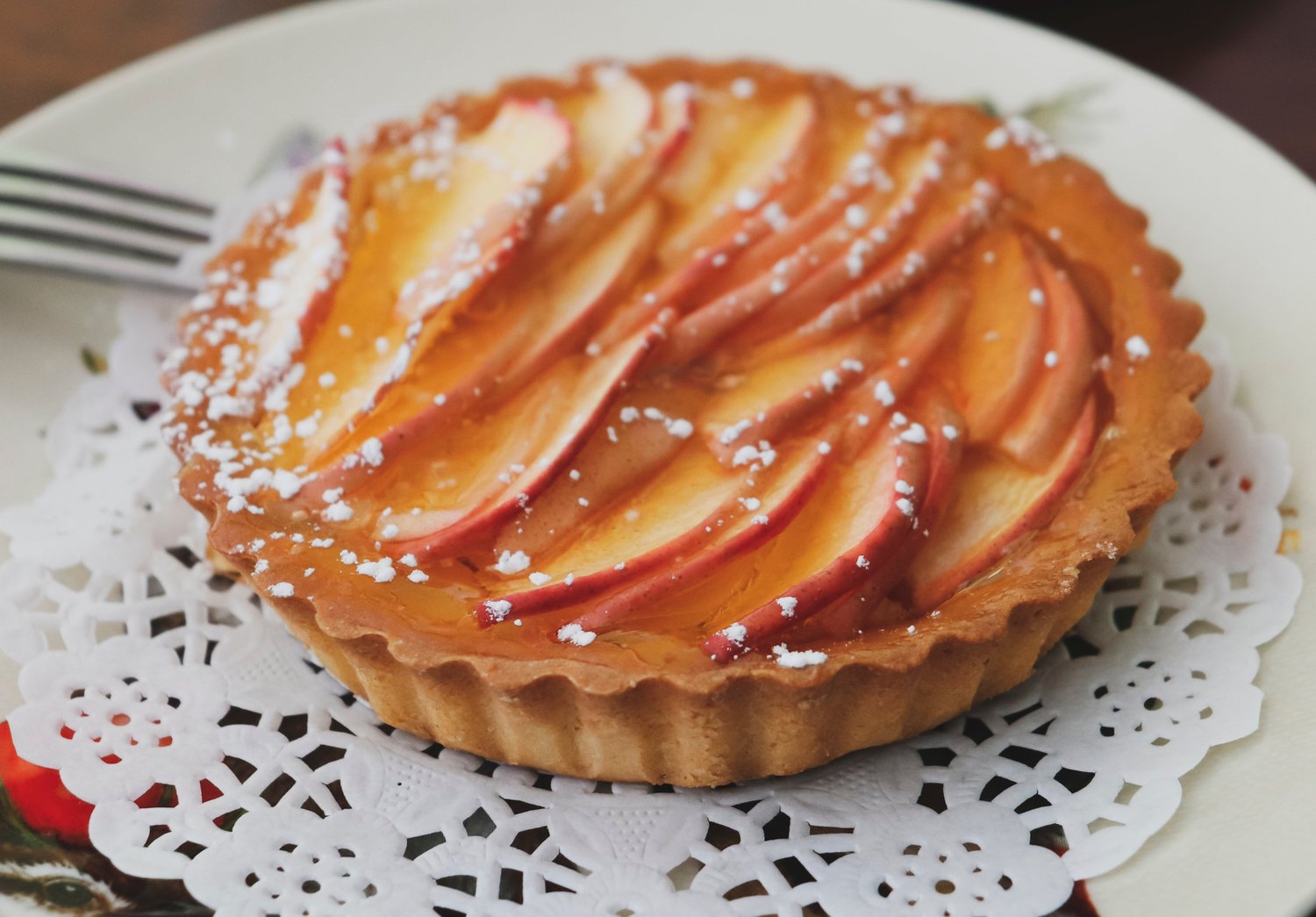
{ Among the culinary delights of Emma's household, there's one that holds a special place in the hearts of her guests and family alike – the delectable apple tarts. Just as Emma's virtues quietly illuminate the narrative, the aroma of freshly baked tarts fills the air, inviting all to partake in the warmth and hospitality of Hartfield. Learn how to make them yourself firsthand with the guide of Kathy Nouleigh's e-cookbook Culinary Courtship: Love on a Plate in the Regency Era which contains 30 scrumptious recipes that get you to discover some of the most exquisite dishes that bring the spirit of Austen's world to life.}
Genuine Acts of Kindness
Austen illustrates Emma's sincerity:
"It was Miss Taylor's loss which first brought grief. It was on the wedding day of this beloved friend that Emma first sat in mournful thought of any continuance… and she had then only to sit and think of what she had lost… How was she to bear the change?" (Vol.1 Ch.1)
Emma's virtues manifest in the everyday kindness she extends to those around her. When her former governess, Miss Taylor, marries and moves away, Emma selflessly supports her friend's happiness despite her feelings of loss. Emma's ability to prioritize the well-being of others over her own desires highlights her capacity for selflessness and genuine thoughtfulness.
Contrasting Characters
In contrast to Emma's genuine warmth and empathy, Mrs. Elton’s character is defined by vanity and utter shallowness. Emma, though:
"handsome, clever, and rich" (Vol.1 Ch.1)
is modest, unlike Mrs. Elton's obsessive pursuit of social standing and patronizing demeanor toward others:
"Mrs. Elton was a vain woman, extremely well satisfied with herself, and thinking much of her own importance; that she meant to shine and be very superior, but with manners which had been formed in a bad school..." (Vol. 2 Ch.14)
While Emma Woodhouse may possess her faults, they pale in comparison to the egregious and relentless self-importance exhibited by Mrs. Elton. Emma's flaws are tempered by her capacity for growth, whereas Mrs. Elton's character remains rather stagnant, mired in pretension and conceit. It is evident throughout the novel that Emma's misguided matchmaking efforts stem from a place of goodwill, albeit misguided at times. In contrast, Mrs. Elton's actions are driven solely by her desire for social advancement and her incessant need to assert her superiority over others. Whether through her ostentatious displays of wealth or her condescending attitude towards the residents of Highbury, Mrs. Elton's character serves as a stark reminder of the dangers of unchecked vanity.
Indeed, many were the events in which Emma stumbled along her journey to self-awareness, however, she ultimately learns from her mistakes and aspires to become a better person. Mrs. Elton, on the other hand, remains obstinately unchanged, forever trapped in her delusions of grandeur. And, while Emma Woodhouse may not conform to the ideal, perfect heroine, Emma's shortcomings remain but mere whispers compared to the deafening cacophony of Mrs. Elton's hubris; her character is and will forever be admired for its wealth of virtues that none could possibly overlook, nor deny.
Comments ()