

How to Create a Peaceful Bedroom for Deep Rest and Better Sleep
You can follow every bedtime tip perfectly — and still struggle to sleep if your bedroom keeps your nervous system on alert.
A peaceful bedroom isn’t about perfect décor.
It’s about creating an environment that signals safety: cool, dark, quiet, comfortable, and low stimulation.
The good news? A few intentional changes can transform your room into a true sleep sanctuary — often in one evening.
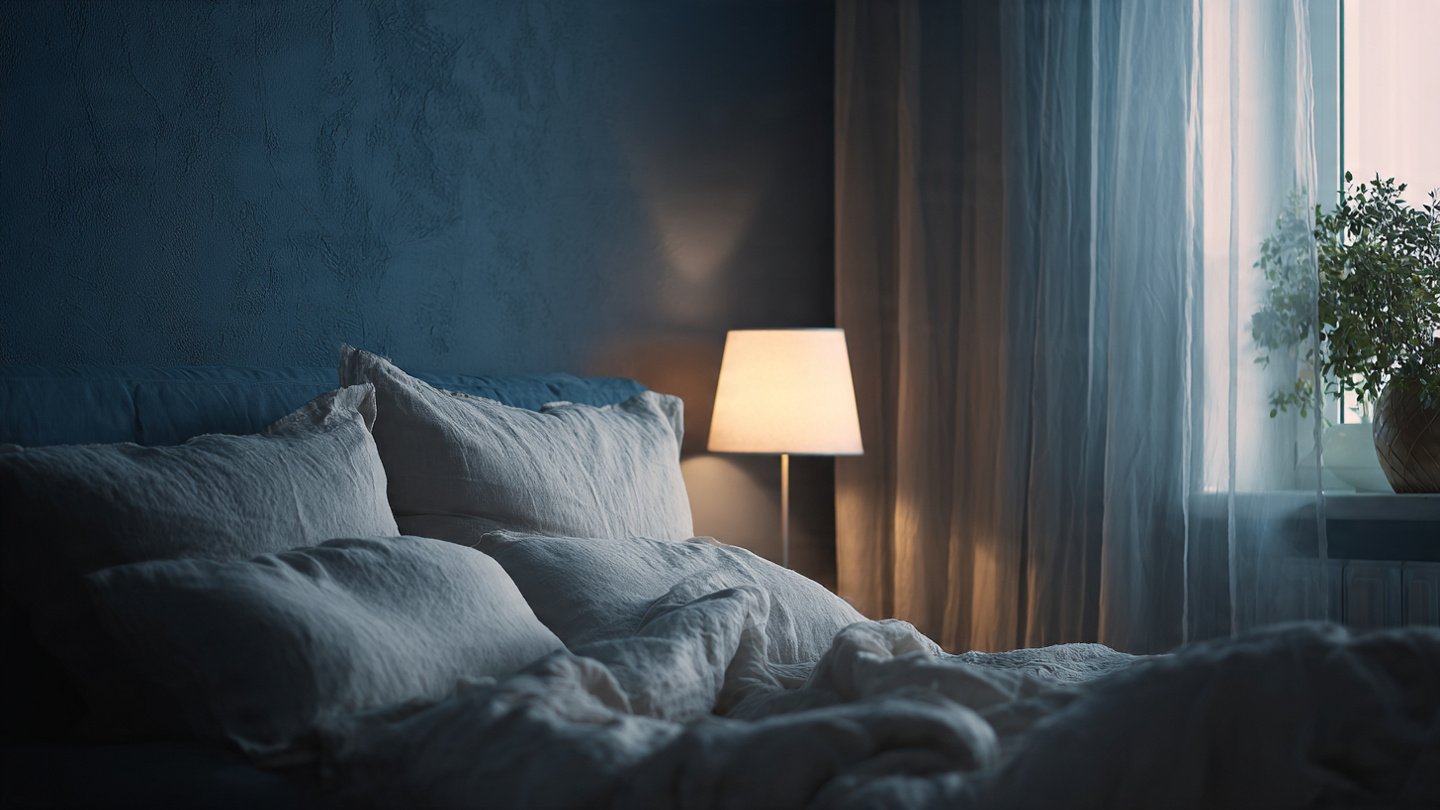
What Makes a Bedroom Feel Peaceful to Your Nervous System
Pain
Instead of feeling restful, your bedroom may contain small signals that keep your brain alert:
clutter
bright lighting
screens
noise
uncomfortable temperature
Even when your body is tired, your brain continues scanning the environment.
Insight
Sleep quality is strongly influenced by the sleep environment — especially:
temperature
light
noise
comfort
Solution
Think of your bedroom as a rest-first space.
Remove activity signals and add calming ones.
When the room feels predictable and low stimulation, the brain stops scanning for danger.

The Calm Bedroom Blueprint
10 Small Upgrades That Work Quickly
Each improvement focuses on environment — not willpower.
1. Make the Room Slightly Cooler
A small drop in temperature supports the body’s natural sleep process.
Try:
lighter blankets
breathable bedding
airflow from a fan
Even minor adjustments can reduce nighttime awakenings.
2. Block Light Leaks
Light signals daytime to the brain.
Simple fixes include:
blackout curtains or sleep mask
turning clocks away
covering small LED lights
3. Use Warm, Dim Lighting
Soft lighting helps the brain prepare for rest.
Try:
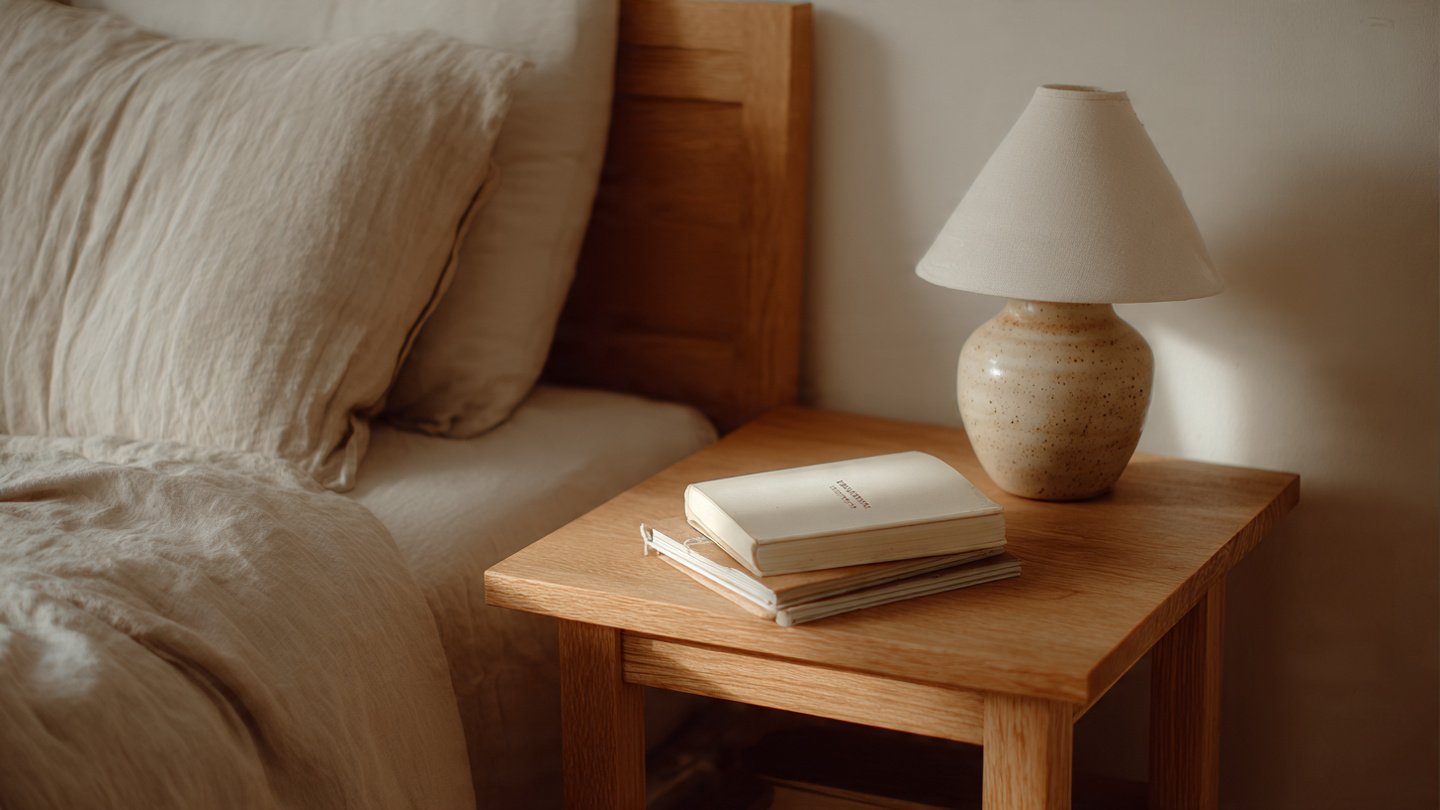
warm bedside lamps
dimming lights 60–90 minutes before sleep
avoiding bright white bulbs at night
4. Reduce or Mask Noise
Unpredictable sounds keep the brain partially alert.
Helpful options include:
thick curtains or rugs
fan or white noise
earplugs if comfortable
Steady background sound can reduce sudden wake-ups.
5. Remove Technology from the Sleep Zone
Phones and screens increase mental stimulation.
A simple rule:
The bed is for sleep — not scrolling.
Charge devices away from the bed or use audio only.
6. Reduce Visual Clutter
Visual chaos signals unfinished tasks to the brain.
Try a quick 10-minute reset:
clear floor space
tidy bedside area
keep one surface minimal
Calm is the goal — not perfection.

7. Upgrade Comfort Where It Matters
Small comfort improvements can reduce micro-awakenings.
Start with:
supportive pillow
breathable sheets
mattress topper if needed
Even pillow height can influence sleep quality.
8. Improve Air Quality
Fresh air often improves comfort quickly.
Try:
airing the room for 5–10 minutes before bed
keeping a door slightly open if safe
using an air purifier if needed
9. Balance Humidity
Comfortable humidity typically falls between 30–50%.
Adjust with:
humidifier if air feels dry
better airflow if the room feels humid
Comfortable breathing supports deeper rest.

10. Add One Calming Sensory Cue
Consistent sensory cues help the brain associate bedtime with safety.
Choose one simple anchor:
calming audio
gentle scent
short body-scan relaxation
Repeating the same cue nightly helps train your brain that nighttime means rest.

Peaceful Bedroom Setups for Real Life
Small Apartment
declutter the bed area first
use warm lamp lighting
add airflow with a fan
Noisy Street
sleep mask
white noise or fan
door draft blocker
Hot Room
breathable bedding
evening ventilation
lighter layers
Perfection isn’t necessary — small adaptations work.
Make Your Bedroom Calm Automatically
Reading sleep tips is easy.
Remembering them when tired is harder.
✨ Get the Calm Sleep Pack
✔ Simple wind-down checklist
✔ 5-minute brain-dump template
✔ Weekly calm sleep tips