

Slow Evening Routine Ideas for a Calm, Soft Life
Simple rituals that help your mind slow down at night
You don’t need a perfect life to live a softer one.
What you need is an evening that stops feeding stress into your nervous system — so your mind can unclench and your body can finally slow down.
If your nights feel rushed or overstimulating, a slow evening routine can become a simple daily reset:
calm, cozy, and sustainable.
This isn’t about productivity.
It’s about creating a gentle transition from doing → being.
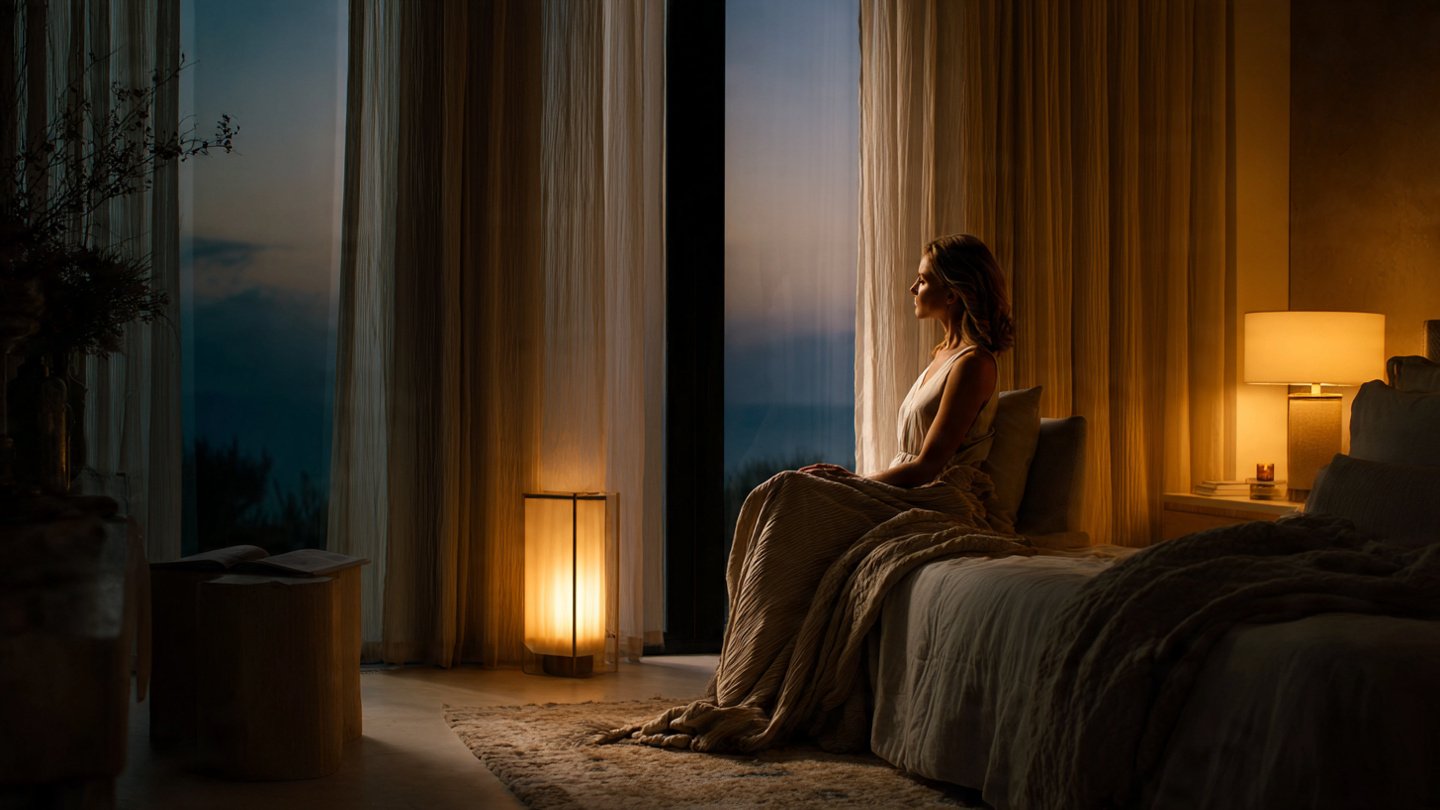
What a “Slow Evening” Really Means
Pain
Many evenings follow the same pattern:
work ends → scrolling starts → dinner feels rushed → relaxation never really happens → bedtime feels tense.
Insight
A soft evening isn’t laziness.
It’s intentional slowing — choosing calm over constant stimulation.
Your nervous system needs signals that the day is finished before it can allow rest.
Solution
A slow evening routine is simply a repeatable sequence that tells your brain:
“Nothing urgent is happening anymore.”
Small signals matter more than long routines.
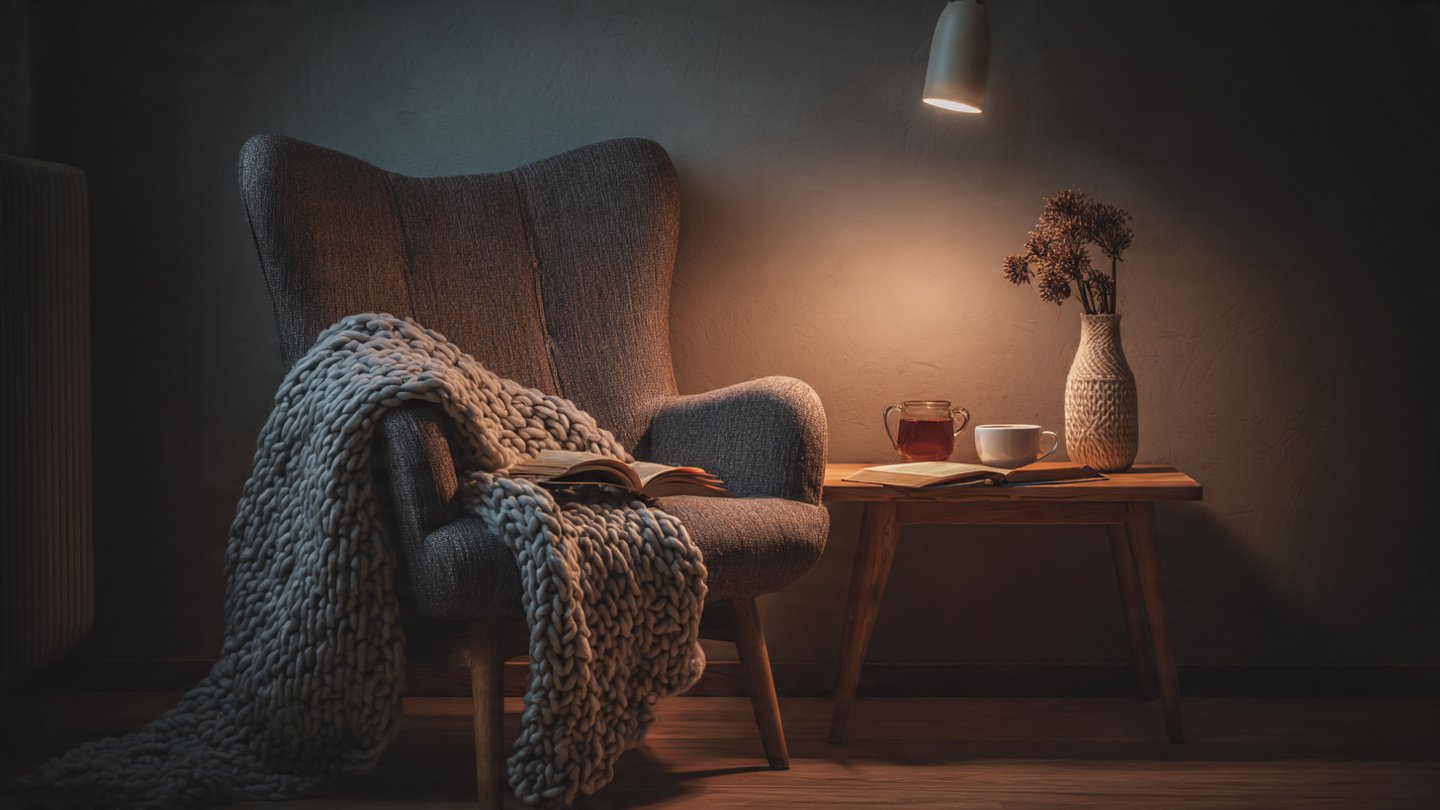
Why Slow Evenings Calm Anxiety
Pain
Sometimes you want to relax, but your body still feels alert even when you’re tired.
Insight
Bright lights, fast content, and notifications keep the brain activated.
Without a transition period, sleep feels abrupt instead of natural.
Solution
Build evenings that:
reduce stimulation
increase warmth and predictability
slow your pace gradually
Even 10 calm minutes can shift your nervous system.
A Simple Slow Evening Framework
1. Close the Day Mentally
When the brain feels unfinished, it keeps thinking at night.
Try writing:
tomorrow’s top three tasks
one unfinished worry
Then close the notebook.
This signals that the day is complete.
2. Soften Stimulation
Lighting and sound strongly affect how alert your brain feels.
Try:
dim lamps instead of overhead lights
soft music or quiet background sound
warm drinks or calming rituals
Often the easiest change is simply dimming the lights earlier.

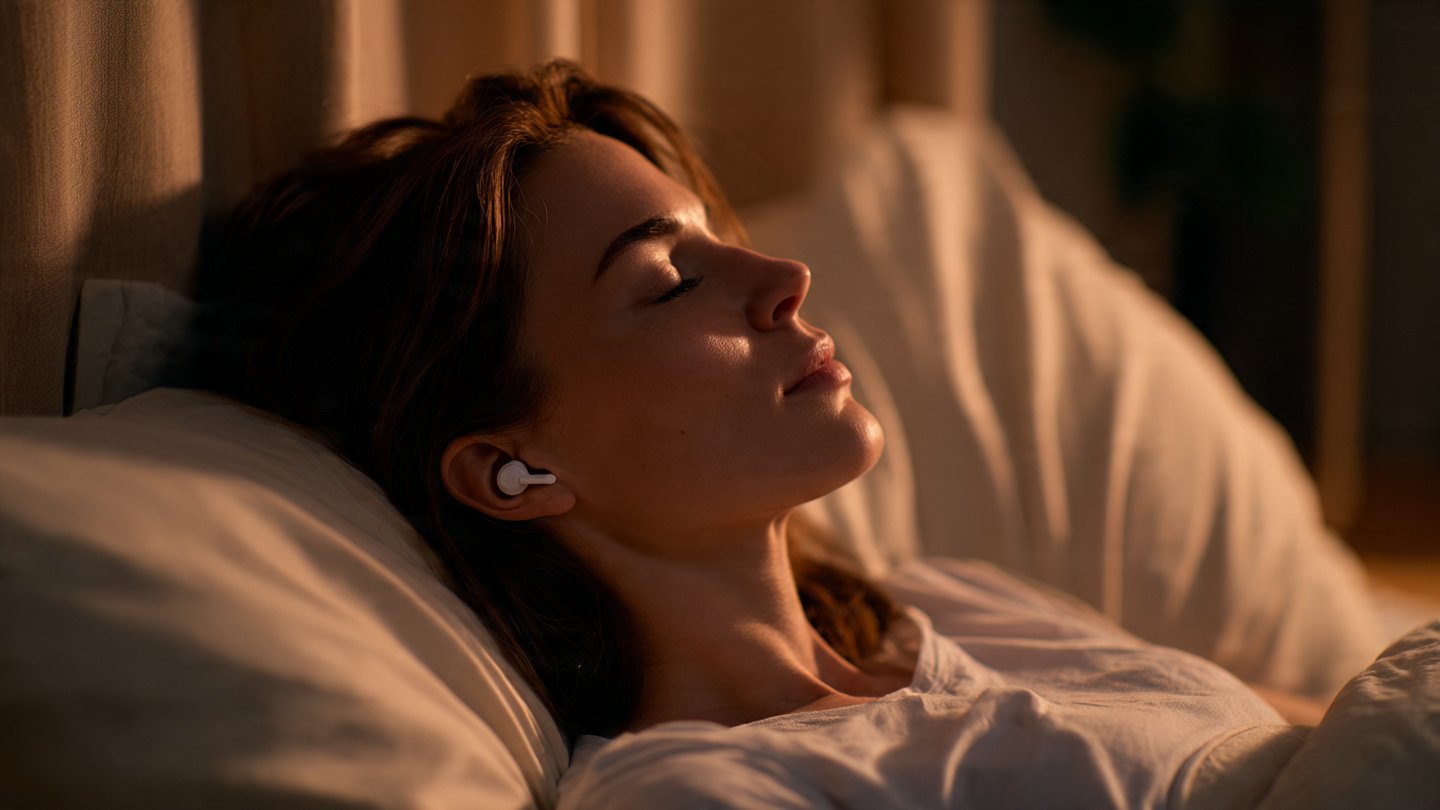
3. Create a Gentle Sleep Cue
Sleep works best when it isn’t forced.
End the evening with one calming signal such as:
slow breathing
gentle stretching
body scan relaxation
quiet audio or meditation
Repeating the same cue every night helps your brain recognize that it’s time to rest.
Slow Evening Ideas You Can Mix and Match
Create a “Soft Landing” Window
Set a small boundary between the day and the evening.
Example:
alarm reminder → dim lights → change clothes → slow pace begins.
Even 20 minutes can make a difference.
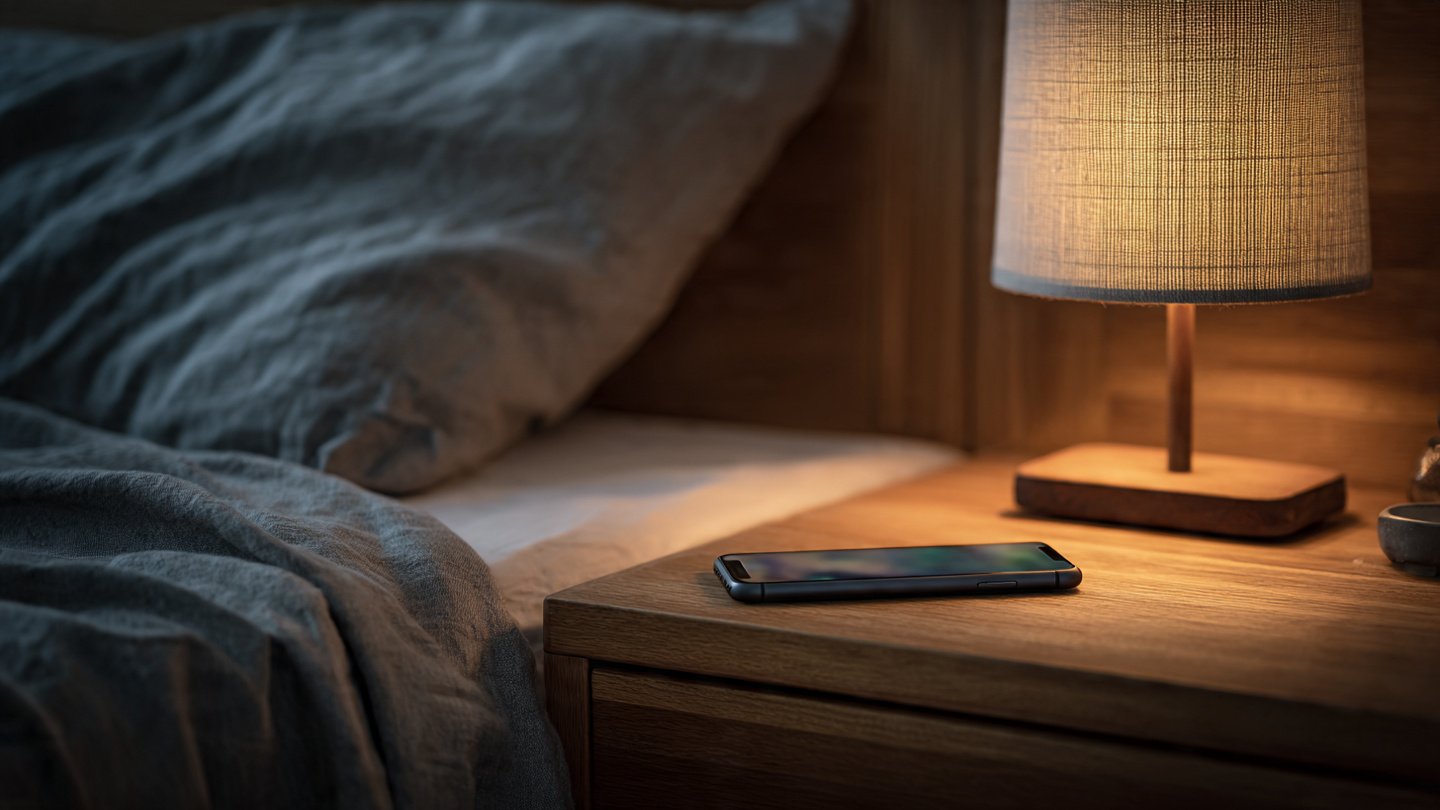
Make Your Phone Boring at Night
Move your phone away from the bed or switch to audio-only use.
Less stimulation usually means quieter thoughts.
The Five-Minute “Tomorrow List”
Write tomorrow’s tasks and close the notebook.
Your brain relaxes when it knows nothing will be forgotten.
Take a Warm Shower Earlier
Warm water signals relaxation when done earlier in the evening.
Shower → skincare → dim lights → calm activity.
Create a Small “Hygge Corner”
You don’t need a perfect home.
Just one calm space with:
a soft lamp
a blanket
tea
a book or journal
One peaceful corner can shift your whole evening mood.
When Slow Evenings Aren’t Enough
If sleep struggles have lasted for months or bedtime creates strong anxiety, lifestyle routines alone may not fully reset sleep patterns.
Structured approaches such as CBT-I are often used to retrain sleep gradually.
Even then, slow evenings remain a powerful foundation.
Make Calm Evenings Automatic
Knowing what helps isn’t the hardest part — remembering it when you’re tired is.
✨ Get the Calm Sleep Pack
✔ Simple wind-down checklist
✔ 5-minute brain-dump template
✔ Weekly calm sleep tips