

The Perfect Calm Night Routine for Anxiety and Better Sleep
You can feel exhausted and still struggle to sleep when anxiety keeps your nervous system switched on.
The solution isn’t a complicated evening routine.
What actually helps is a calm sequence of small signals that tell your brain the day is finished and it’s safe to rest.
Below is a simple wind-down routine designed for real life.

Why Anxiety Feels Worse at Night
Pain
Nighttime anxiety often appears the moment everything becomes quiet.
Distractions disappear, and the mind fills the silence with planning, replaying conversations, or worrying about tomorrow.
Insight
Sleep and anxiety influence each other.
When the brain stays mentally alert, falling asleep becomes harder — and poor sleep increases stress the next day.
Solution
A calm night routine works because it changes your state, not your effort.
Predictable signals tell the brain:
“Nothing needs solving right now.”

What a Calm Night Routine Should Actually Do
Many routines look relaxing but don’t calm the nervous system.
A helpful routine does four things:
Lower stimulation — dim light and fewer screens
Relax the body — release physical tension
Reduce uncertainty — capture tomorrow’s tasks
Strengthen sleep cues — create a calm environment
When these happen consistently, sleep pressure increases naturally.

The Calm Night Routine Blueprint
When anxiety is high, complicated routines create more pressure.
Consistency matters more than perfection.
Even 10 minutes repeated nightly can make a difference.
Step-by-Step Calm Night Routine
1. The Landing Phase
Transition out of the day slowly.
Dim lights
Change into comfortable clothes
Play soft background sound
This helps the brain recognize the shift from activity to rest.

2. The Screen-Off Phase
Scrolling may feel relaxing but it increases mental stimulation.
Simple rule:
Avoid scrolling before bed
Audio is okay
Avoid emotionally intense content
Replace screens with calm activities.
3. Calm the Body First
Anxiety is physical before it is mental.
Choose one:
warm shower earlier in the evening
progressive muscle relaxation
slow breathing
When the body relaxes, the mind usually follows.

4. The Mind-Offload Phase
Racing thoughts often come from unfinished mental tasks.
Spend five minutes writing:
tomorrow’s top tasks
one worry
one small next step
End with the sentence:
“Captured. Tomorrow.”
This gives your brain closure.
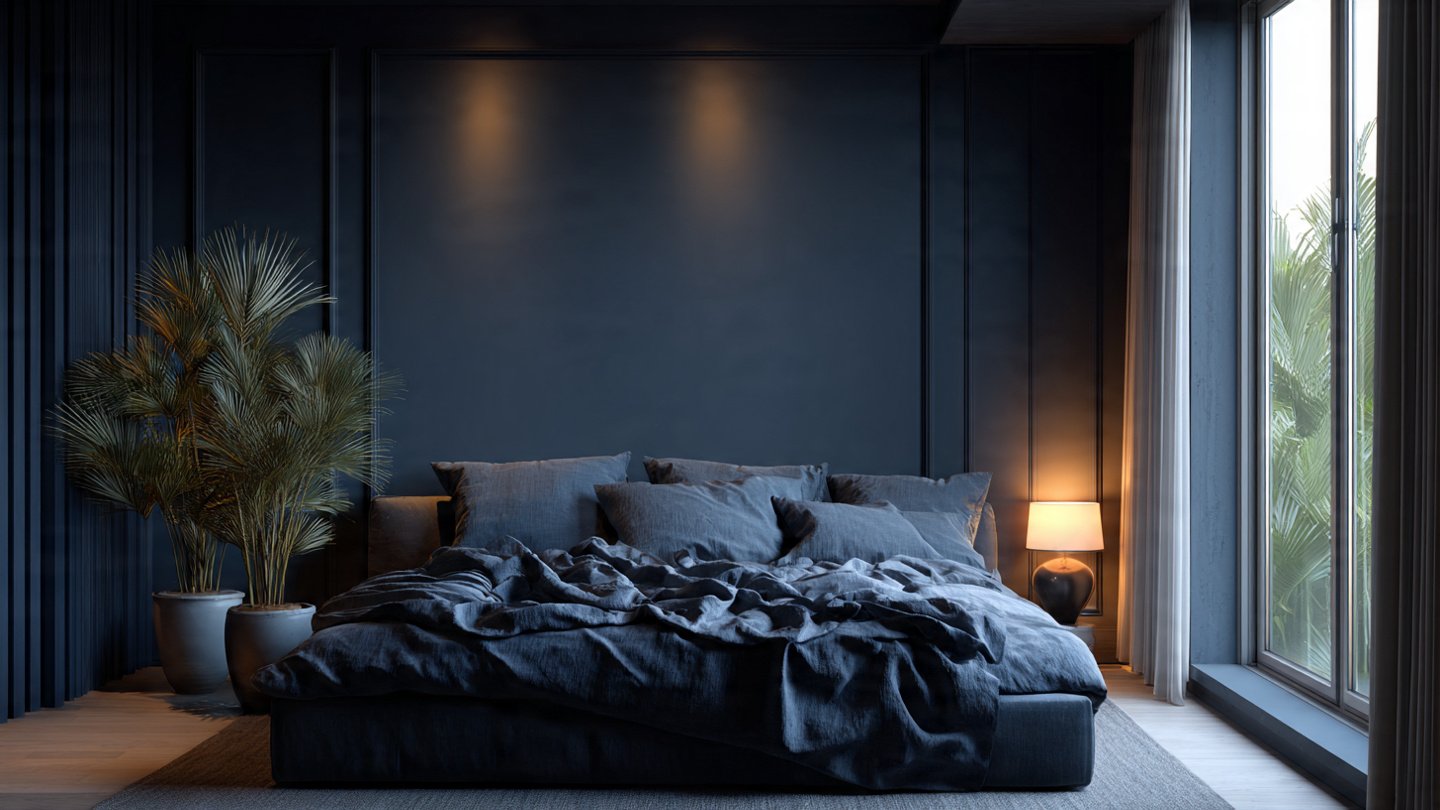
5. The In-Bed Phase
Trying to force sleep often creates more pressure.
Instead:
lights off
volume low
eyes closed
focus on breath or a calming sound
Many people find that following a simple structured routine helps the mind settle more easily.
6. The Sleep-Protection Rule
If you stay awake for a while:
leave the bed briefly
keep lights dim
do something quiet and boring
return when sleepy
This protects the brain’s association:
Bed = Rest
When a Routine Isn’t Enough
If sleep problems happen most nights for several months or bedtime creates strong anxiety, additional support may help.
Approaches such as CBT-I are commonly used to retrain sleep patterns and improve long-term sleep quality.
Make Calm Nights Automatic
Knowing what to do isn’t the hardest part — remembering it when you’re tired is.
That’s why many people prefer having a simple routine they can follow step by step.
✨ Get the Complete Calm Night Pack
✔ Wind-down checklist
✔ Mental offload template
✔ Simple steps to stop nighttime overthinking
➡️ [Start sleeping better tonight – Get the complete pack here]