
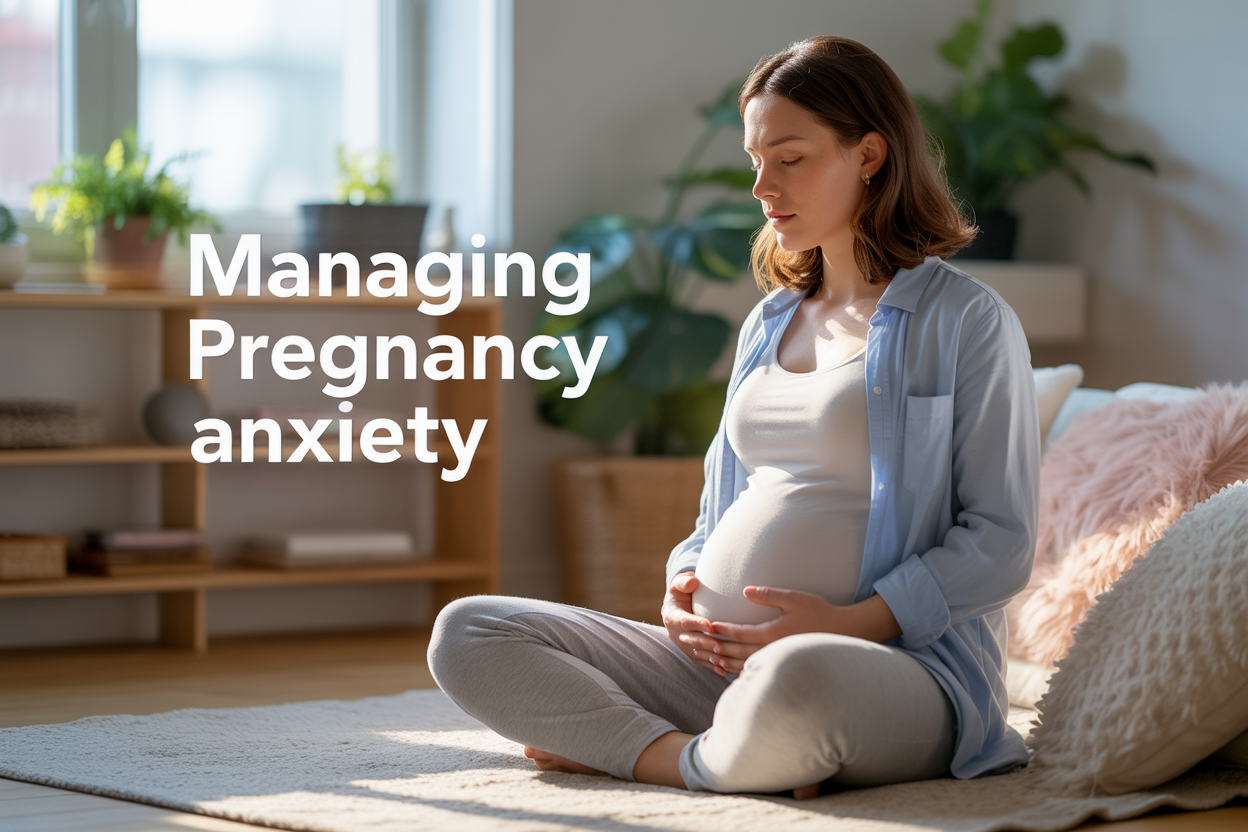
Feeling overwhelmed about your pregnancy? You're not alone.
Anxiety during pregnancy affects up to 20% of expectant mothers, making it one of the most common emotional challenges women face while expecting. This guide is for pregnant women experiencing worry, stress, or fear about their changing bodies, their baby's health, or the journey ahead.
Many women feel guilty about being anxious during what's supposed to be a joyful time, but pregnancy anxiety is completely normal and treatable. We'll walk you through how to spot the warning signs that your worries might need attention, explore what's really driving these feelings, and share proven strategies to help you feel calmer and more confident.
You'll also learn how to create a support network that actually helps and discover when it's time to reach out to a healthcare professional for additional support.
Recognize Common Pregnancy Anxiety Symptoms

Identify physical manifestations of anxiety during pregnancy
Your body speaks volumes about your emotional state during pregnancy, and anxiety shows up in ways you might not immediately connect to stress. Racing heartbeat becomes a frequent companion, especially when you're already dealing with pregnancy's natural cardiovascular changes. You might notice your palms getting sweaty during routine activities or experience trembling hands when handling everyday tasks.
Sleep disturbances rank among the most common physical signs. While pregnancy naturally affects sleep patterns, anxiety amplifies these issues. You might find yourself lying awake at 3 AM, mind spinning with worries about the baby's health or upcoming responsibilities. Digestive problems also increase during anxious periods - nausea beyond typical morning sickness, stomach knots, or changes in appetite patterns.
Muscle tension concentrates in your shoulders, neck, and jaw, creating persistent headaches. Some women experience shortness of breath that goes beyond what's normal for their trimester. Fatigue hits harder when anxiety drains your energy reserves, leaving you exhausted even after rest.
If you're struggling with these symptoms, The Calm Pregnancy Bundle offers a comprehensive solution with evidence-based strategies for managing anxiety throughout your pregnancy. The bundle includes guided exercises, daily check-ins, and partner support materials designed specifically for expectant mothers dealing with overwhelming worry. You can also start by tracking your anxiety patterns with our free pregnancy anxiety tracker app, which helps you identify triggers and monitor your emotional wellbeing throughout each trimester.
Understand emotional and mental anxiety indicators
Pregnancy anxiety creates a unique emotional landscape that extends far beyond typical worries. Intrusive thoughts about potential complications, birth defects, or your ability to parent properly can dominate your mental space. These thoughts often arrive uninvited and feel impossible to control.
Mood swings intensify beyond normal pregnancy hormonal fluctuations. You might feel irritable, overwhelmed, or emotionally fragile in situations that previously felt manageable. Concentration becomes challenging - simple tasks like reading emails or following conversations require extra effort.
Catastrophic thinking patterns emerge frequently. Your mind jumps to worst-case scenarios about doctor's appointments, test results, or minor pregnancy symptoms. You might obsess over every decision, from prenatal vitamins to nursery colors, feeling like each choice carries enormous weight.
Avoidance behaviors develop around pregnancy-related activities. Some women skip social events, avoid baby-related conversations, or postpone necessary preparations due to overwhelming anxiety. Others become hypervigilant, constantly monitoring their body for changes or researching pregnancy information excessively.
If you're struggling with these symptoms, consider exploring comprehensive resources designed specifically for anxiety management. An anxiety bundle containing both a detailed guide and a 30-day workbook can provide structured support for developing coping strategies and tracking your progress throughout pregnancy.
Distinguish between normal pregnancy worries and clinical anxiety
Every expecting parent experiences some level of worry - this represents a normal part of pregnancy. Healthy concerns might include wondering about your baby's development, thinking about financial responsibilities, or feeling nervous about labor and delivery. These thoughts come and go naturally without significantly disrupting your daily life.
Clinical anxiety during pregnancy shows distinct patterns that separate it from typical worries. The intensity, frequency, and impact on your functioning create clear differences. Normal pregnancy concerns don't prevent you from enjoying activities, maintaining relationships, or completing necessary tasks.
Normal Pregnancy Worries Clinical Anxiety Symptoms Occasional concerns about baby's health Constant, overwhelming fear about pregnancy complications Manageable stress about upcoming changes Persistent worry that interferes with daily activities Periodic difficulty sleeping Chronic insomnia or sleep disruption Temporary mood changes Extended periods of irritability or emotional instability Mild nervousness about appointments Severe anxiety preventing medical care Clinical anxiety persists despite reassurance from healthcare providers or positive test results. You might find yourself unable to trust medical professionals' explanations or feeling certain that something terrible will happen regardless of evidence to the contrary.
The duration matters significantly. While normal worries might last a few hours or days around specific events, clinical anxiety maintains its grip for weeks or months. Your anxiety might generalize beyond pregnancy concerns to affect other life areas, relationships, or decision-making abilities.
Pay attention to how anxiety affects your behavior and relationships. Clinical levels often lead to avoiding necessary prenatal care, canceling social plans repeatedly, or experiencing relationship strain due to constant worry and reassurance-seeking.
Understand Root Causes of Pregnancy Anxiety

Explore hormonal changes affecting mood and anxiety levels
Your body becomes a hormone factory during pregnancy, producing elevated levels of estrogen, progesterone, and human chorionic gonadotropin (hCG). These dramatic shifts directly impact your brain's neurotransmitters, particularly serotonin and dopamine, which regulate mood and emotional stability.
Progesterone levels can increase up to 10 times their normal amount, creating feelings of drowsiness but also contributing to heightened emotional sensitivity. Estrogen fluctuations affect the brain's stress response system, making you more reactive to everyday situations that previously felt manageable.
The pregnancy hormone hCG, responsible for morning sickness, peaks during the first trimester when many women experience their highest anxiety levels. Your cortisol levels also shift throughout pregnancy, affecting your body's natural stress management capabilities.
These hormonal changes don't follow a predictable pattern - they vary from week to week and person to person. What feels overwhelming one day might seem completely manageable the next, creating a rollercoaster of emotions that can feel confusing and exhausting.
Address fears about baby's health and development
Worrying about your baby's wellbeing becomes an almost constant companion during pregnancy. Every prenatal appointment, ultrasound, and screening test carries the weight of wanting everything to be perfect.
Common health concerns include:
- Birth defects or genetic conditions
- Miscarriage or pregnancy loss
- Growth and development milestones
- Impact of medications, food choices, or environmental factors
- Complications during different trimesters
The abundance of information available online can amplify these fears. Reading about rare complications or negative birth stories creates anxiety spirals that feel impossible to escape. Social media comparisons with other pregnant women add another layer of worry about whether you're doing everything "right."
Medical terminology and test results can feel overwhelming when you're trying to decode what they mean for your baby's health. Even routine screenings designed to reassure can trigger anxiety while waiting for results.
Navigate concerns about labor, delivery, and parenting abilities
The unknowns surrounding childbirth create significant anxiety for many expectant mothers. Pain management options, delivery complications, and the unpredictable nature of labor can feel overwhelming to contemplate.
Birth-related anxieties often include:
- Fear of pain or medical interventions
- Concerns about emergency situations or complications
- Worry about recovery time and healing
- Questions about breastfeeding success
- Doubts about natural parenting instincts
First-time parents especially struggle with imposter syndrome, wondering if they'll know how to care for a newborn. Sleep deprivation concerns, feeding challenges, and the responsibility of keeping another human being safe can feel monumentally daunting.
Previous traumatic medical experiences or hearing difficult birth stories from others can intensify these fears. The gap between idealized birth plans and potential reality creates additional stress about flexibility and adaptability.
Manage financial and lifestyle adjustment pressures
Pregnancy brings major life changes that extend far beyond the physical. Financial pressures multiply as you calculate costs for medical care, baby supplies, childcare, and potential income changes if you plan to take extended leave.
Major lifestyle adjustments include:
- Career decisions and maternity leave planning
- Housing considerations and space needs
- Relationship dynamics with partners, family, and friends
- Social life changes and activity modifications
- Time management and priority shifts
The transition from independence to responsibility for another person requires mental and emotional preparation that can feel overwhelming. Questions about maintaining your identity while becoming a parent create internal conflicts about personal goals and family priorities.
These practical concerns often compound emotional anxieties, creating a cycle where financial stress increases pregnancy anxiety, which can then impact your ability to make clear decisions about important life changes.
Implement Safe Anxiety Management Techniques

Practice pregnancy-safe breathing and relaxation exercises
Deep breathing exercises offer one of the most accessible ways to calm anxiety during pregnancy. The 4-7-8 technique works particularly well: breathe in through your nose for four counts, hold for seven, then exhale through your mouth for eight counts. This pattern activates your parasympathetic nervous system, naturally slowing your heart rate and reducing stress hormones.
Progressive muscle relaxation helps release physical tension that often accompanies anxiety. Start with your toes and work upward, tensing each muscle group for five seconds before releasing. This practice teaches your body the difference between tension and relaxation, making it easier to recognize and address anxiety symptoms early.
Guided imagery can transport your mind away from anxious thoughts. Picture a peaceful place—maybe a beach or forest—and engage all your senses. What do you hear, smell, or feel? Many pregnancy-specific meditation apps offer visualization exercises designed for expectant mothers.
Prenatal yoga breathing techniques like Ujjayi breath (ocean breath) provide dual benefits. The rhythmic breathing calms the mind while the gentle sound creates a meditative focus. Practice this by breathing through your nose, slightly constricting your throat to create a soft whooshing sound.
To help you stay consistent with these practices, our free pregnancy anxiety tracker app lets you log your anxiety levels daily and note which techniques work best for you. Over time, you'll see patterns that help you understand your triggers and celebrate your progress. For a complete toolkit that goes beyond tracking, The Calm Pregnancy Bundle includes the full BLOOM Method framework with detailed guides on breathing techniques, movement exercises, and mindfulness practices specifically designed for pregnancy
Establish healthy sleep routines to reduce anxiety
Quality sleep directly impacts anxiety levels, making consistent sleep habits essential during pregnancy. Create a bedtime routine that signals to your body it's time to wind down. This might include a warm bath, gentle stretching, or reading a book—avoid screens for at least an hour before bed as blue light interferes with melatonin production.
Your sleeping environment plays a crucial role in rest quality. Keep your bedroom cool, dark, and quiet. A pregnancy pillow can provide the support needed as your body changes, helping you find comfortable positions throughout the night. White noise machines or earplugs can block disruptive sounds.
Timing matters when it comes to sleep and anxiety management. Try to go to bed and wake up at the same times daily, even on weekends. This consistency helps regulate your circadian rhythm. If racing thoughts keep you awake, keep a notepad beside your bed to jot down worries—this simple act often helps clear your mind.
Avoid caffeine after 2 PM and limit fluid intake two hours before bedtime to reduce nighttime wake-ups. If anxiety strikes during the night, practice the breathing techniques mentioned earlier rather than checking your phone or watching the clock, which can increase stress.
Use gentle physical activities approved for pregnancy
Regular physical activity releases endorphins, your body's natural mood elevators, while reducing cortisol levels associated with anxiety. Walking remains one of the safest and most effective exercises throughout pregnancy. Start with 10-15 minutes daily and gradually increase as comfortable. The rhythmic nature of walking can be meditative, providing mental space to process emotions.
Swimming and water aerobics offer excellent low-impact options that support your changing body while providing anxiety relief. The buoyancy of water reduces joint stress while the gentle resistance builds strength. Many women find the weightless feeling particularly soothing during later pregnancy stages.
Prenatal yoga combines physical movement with mindfulness, addressing both the physical and mental aspects of anxiety. Classes specifically designed for pregnant women modify poses for safety while incorporating breathing exercises and meditation. The community aspect of group classes can also provide valuable social support.
Stretching routines help release muscle tension that often accompanies anxiety. Focus on areas that commonly tighten during pregnancy: neck, shoulders, lower back, and hips. Hold each stretch for 15-30 seconds, breathing deeply throughout. Even five minutes of stretching can significantly impact your stress levels.
Always consult your healthcare provider before starting any exercise program and listen to your body. Stop if you experience dizziness, shortness of breath, or any unusual symptoms.
Build Strong Support Systems

Communicate effectively with your partner about anxiety concerns
Opening up to your partner about pregnancy anxiety can feel scary, but it's one of the most powerful steps you can take. Start by picking a quiet moment when you both feel relaxed and won't be interrupted. Instead of saying "I'm anxious about everything," try being specific about what's bothering you. Maybe it's worries about labor pain, concerns about being a good parent, or fears about your changing body.
Your partner might not understand pregnancy anxiety right away, especially if they haven't experienced it themselves. Share concrete examples of how anxiety affects your daily life - maybe you can't sleep
because you're worried about the baby's health, or you feel overwhelmed when shopping for baby items.
Help them see that pregnancy anxiety is real and common, not something you can just "snap out of."
Create a simple signal system for when anxiety strikes. This could be a text message, a code word, or even just reaching for their hand. Having this system means you don't have to explain everything in the moment when you're feeling overwhelmed.
Ask your partner to be patient when you need extra reassurance about the same concerns repeatedly. Anxiety often makes us seek constant validation, and knowing your partner understands this can reduce stress significantly.
The Calm Pregnancy Bundle includes a dedicated Partner Guide that helps your loved ones understand what you're experiencing and gives them specific ways to support you. This takes the pressure off you to explain everything and gives your partner concrete tools to help during anxious moments.
Connect with other expectant mothers facing similar challenges
Finding other pregnant women who understand exactly what you're going through creates an incredible sense of relief. You'll quickly discover that many of your worries are completely normal and shared by countless other expectant mothers.
Look for prenatal classes in your area - not just childbirth preparation classes, but also prenatal yoga, swimming, or fitness classes. These settings naturally bring together women at similar stages of pregnancy, making it easier to strike up conversations and form friendships.
Consider joining a prenatal support group specifically for women dealing with anxiety or mood concerns. Many hospitals, birthing centers, and mental health organizations offer these groups. The conversations tend to go deeper than typical pregnancy chat because everyone already acknowledges they're dealing with challenging emotions.
Don't overlook casual connections either. That woman you see regularly at your doctor's office or the pregnant colleague at work might become an unexpected source of comfort and understanding. Sometimes a quick conversation about shared experiences can brighten your entire day.
Use family and friend networks for emotional support
Your existing relationships can become even more valuable during pregnancy when anxiety feels overwhelming. Start by identifying which friends and family members are the best listeners versus those who tend to give unsolicited advice. When anxiety hits, reach out to the listeners first.
Be honest about what kind of support you need in the moment. Sometimes you want someone to problem-solve with you, other times you just need someone to listen while you voice your concerns. Letting people know upfront prevents frustration on both sides.
Create a rotation system so you're not always calling the same person when anxiety spikes. This prevents any one relationship from feeling burdened while ensuring you always have someone available.
Don't feel guilty about needing more support during pregnancy. The people who care about you want to help, but they can't read your mind. Asking for specific things - like a daily check-in text, help with grocery shopping when anxiety makes it difficult, or just someone to sit with you during a particularly tough day - gives them concrete ways to support you.
Join pregnancy support groups or online communities
Online pregnancy communities offer 24/7 access to support when anxiety strikes at 2 AM and you can't call anyone. Popular platforms include apps like Peanut, What to Expect forums, and Facebook groups dedicated to your due date month or specific anxiety concerns.
Look for communities that have active moderation to keep discussions supportive and evidence-based. The best groups establish clear guidelines about sharing medical advice and encourage members to validate each other's feelings while suggesting professional help when appropriate.
Consider both local in-person groups and online options. In-person meetings through hospitals, birthing centers, or community organizations let you build face-to-face relationships, while online groups provide constant accessibility and often more diverse perspectives.
Many anxiety-specific pregnancy support groups focus on techniques for managing worry, sharing coping strategies, and normalizing the wide range of emotions that come with expecting a baby. These specialized communities understand that pregnancy anxiety goes beyond typical pregnancy concerns and requires targeted support approaches.
Know When to Seek Professional Help

Before reaching the point where professional intervention becomes necessary, many women find relief through structured self-help resources. Our free pregnancy anxiety tracker app helps you monitor symptom patterns and identify whether your anxiety is improving or worsening over time—valuable information to share with your healthcare provider. The Calm Pregnancy Bundle offers comprehensive guidance that can complement professional care or serve as a first step in managing mild to moderate pregnancy anxiety.
Recognize warning signs that require medical intervention
Pregnancy anxiety becomes a medical concern when symptoms start controlling your daily life. If you're experiencing panic attacks that leave you breathless or dizzy, this signals a need for professional support. Watch for persistent worry that keeps you awake most nights or prevents you from eating properly. When anxiety makes it hard to attend prenatal appointments or take care of your basic needs, professional help becomes essential.
Physical symptoms like constant headaches, chest pain, or rapid heartbeat that accompany anxious thoughts shouldn't be ignored. Some women develop obsessive thoughts about their baby's health that become overwhelming and interfere with normal activities. If you're avoiding social situations, work responsibilities, or family gatherings because of pregnancy-related fears, these are clear indicators that professional intervention could help.
Depression often accompanies severe anxiety during pregnancy. Signs include feeling hopeless about motherhood, losing interest in preparing for your baby, or having thoughts about harming yourself or your pregnancy. Any thoughts of self-harm require immediate medical attention.
Find qualified mental health professionals experienced with pregnancy
Start your search by asking your obstetrician for referrals to mental health professionals who specialize in perinatal care. These specialists understand the unique challenges of pregnancy and can provide targeted support. Many healthcare networks maintain lists of therapists trained in pregnancy-related mental health issues.
Look for professionals with specific credentials in perinatal mental health, such as certification from Postpartum Support International. These experts understand how pregnancy hormones affect mental health and can offer treatments that are safe for both you and your baby.
Your insurance company's website often includes search filters for mental health providers who specialize in women's reproductive health. Don't hesitate to interview potential therapists by phone to ensure they have experience with pregnancy anxiety and understand your specific concerns.
Explore therapy options safe during pregnancy
Cognitive Behavioral Therapy (CBT) stands out as one of the most effective and pregnancy-safe treatments for anxiety. This approach helps you identify negative thought patterns and replace them with more realistic, helpful thoughts. CBT teaches practical coping skills you can use throughout pregnancy and beyond.
Mindfulness-Based Stress Reduction offers another safe option that combines meditation, yoga, and breathing exercises. These techniques help manage anxiety without any risk to your developing baby. Many programs are specifically designed for pregnant women and create supportive group environments.
Interpersonal therapy focuses on improving relationships and communication skills, which can reduce stress and anxiety during this major life transition. Support groups, both in-person and online, provide connection with other pregnant women facing similar challenges. These groups offer practical advice and emotional support from people who truly understand your experience.
Understand medication considerations for pregnant women
Medication decisions during pregnancy require careful evaluation with your healthcare provider. Some women need medication to manage severe anxiety that threatens their health or their baby's wellbeing. The risks of untreated severe anxiety often outweigh the potential risks of certain medications.
Selective Serotonin Reuptake Inhibitors (SSRIs) like sertraline have extensive research supporting their relative safety during pregnancy. Your doctor will consider factors like the severity of your symptoms, your medical history, and the specific medication's risk profile. Never stop taking prescribed medication suddenly, as this can be dangerous for both you and your baby.
Alternative approaches like acupuncture, massage therapy, or herbal supplements should also be discussed with your healthcare team. While these seem natural, some herbs and treatments aren't safe during pregnancy. Your doctor can help you weigh all options and create a treatment plan that keeps both you and your baby healthy while effectively managing your anxiety.

Pregnancy anxiety affects many expectant mothers, showing up as racing thoughts, sleep troubles, constant worry, and physical tension. The root causes often stem from hormonal changes, fear of childbirth, concerns about being a good parent, and major life adjustments that come with expecting a baby. Safe management techniques like deep breathing, gentle exercise, mindfulness, and maintaining routines can help ease these overwhelming feelings.
Building a strong support network with your partner, family, friends, and healthcare team makes a huge difference in managing pregnancy anxiety. Remember that asking for help isn't a sign of weakness - it's actually one of the smartest things you can do for both you and your baby.
Take the first step toward a calmer pregnancy today. Start by downloading our free pregnancy anxiety tracker app to monitor your emotional wellbeing and identify patterns in your anxiety. This simple tool helps you understand your triggers and track your progress day by day. For comprehensive support throughout your entire pregnancy journey, The Calm Pregnancy Bundle provides everything you need—from guided anxiety management strategies to daily workbooks, partner guides, and evidence-based techniques for managing worry and stress. You deserve to feel confident and calm as you prepare to meet your baby.
If your anxiety feels unmanageable or interferes with your daily life, don't hesitate to reach out to a mental health professional who specializes in pregnancy care. Taking care of your mental health during pregnancy is just as important as taking your prenatal vitamins.