
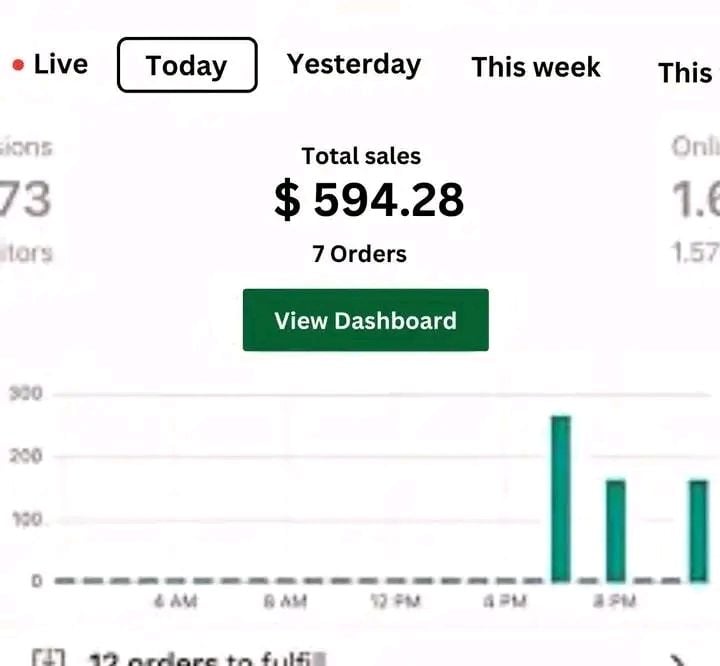
Most “digital product” blogs tell you to sell AI prompts, Canva templates, or social media packs—but these markets are flooded. If you want real results in 2026, you need to focus on micro-digital products—small, highly targeted products that solve a very specific problem.
This strategy works especially well for new resellers, because the competition is low but demand is still high.
Step 1: Identify Tiny Niches With Real Problems
Instead of aiming for broad markets, look for specific pain points:
- Busy remote workers who need automated task trackers
- Students struggling with niche courses or exam prep
- Hobbyists needing step-by-step guides for unique skills
Tip: Search forums, subreddits, or niche Facebook groups to see what people complain about or ask for—these are micro-niche goldmines.
Step 2: Start With a “Mini-Product”
You don’t need a huge bundle. Start small:
- A single Notion dashboard or Google Sheet tracker
- A one-page guide solving a hyper-specific problem
- A small template pack targeting one exact audience
Why it works: People often prefer quick, inexpensive solutions for their exact problem instead of a massive, generic product.
Step 3: Make It Hyper-Specific
The more targeted your product, the less competition and the higher your perceived value:
- Instead of “fitness planner,” create “7-day beginner yoga habit tracker for office workers.”
- Instead of “resume templates,” create “creative industry resume templates for illustrators.”
Tip: Add a unique hook or design element that resonates with your audience.
Step 4: Test & Iterate Quickly
With micro-products, you can launch fast and iterate based on feedback:
- Post on small communities or social media groups to get early users
- Ask for feedback and improve your product
- Adjust your messaging based on what converts best
Why it works: Low-risk testing allows you to find winning products without huge upfront effort.
Step 5: Bundle Later
Once you know what sells, you can bundle micro-products into larger packs or subscription services.
- Combine a series of niche guides into a “mini-library”
- Package multiple trackers or dashboards into a productivity kit
- Offer seasonal bundles for holidays, events, or specific challenges
Why it works: Bundling increases perceived value and allows you to scale without reinventing the wheel.
Why This Strategy Is Underrated in 2026
- ✅ Targets unsaturated micro-niches
- ✅ Low competition = faster sales
- ✅ Easy to iterate and improve
- ✅ Works well with resell-ready products from MJ Resell
- ✅ Perfect for email marketing, social promotion, and micro-communities
💡 Action Tip:
Don’t go for “top digital products to sell.” Start hyper-targeted micro-products, test them fast, and scale with bundles. Micro-niches = faster wins and less competition.
👉 Browse resell-ready products here: