Your Cart
Loading

Time Signature

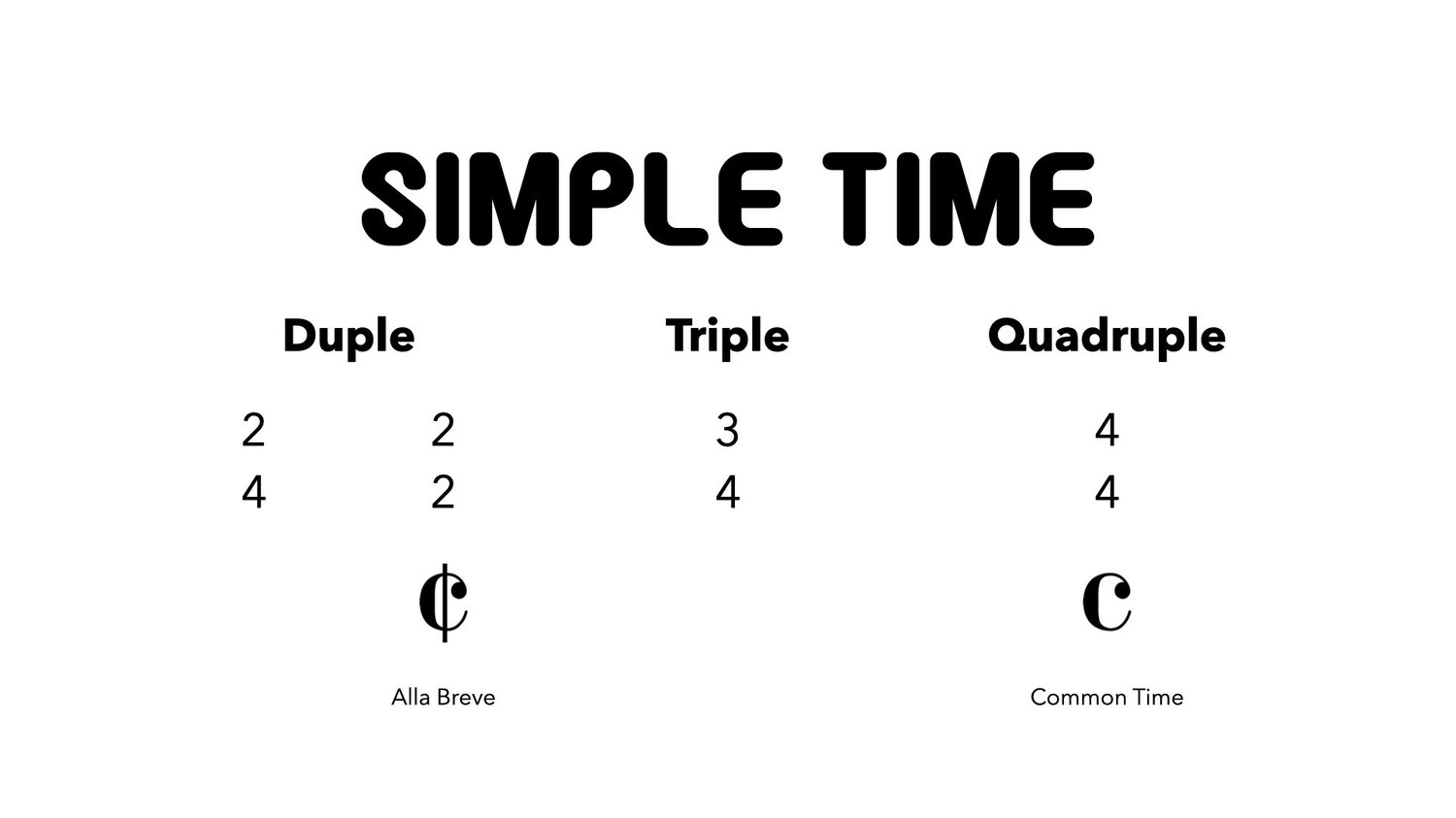
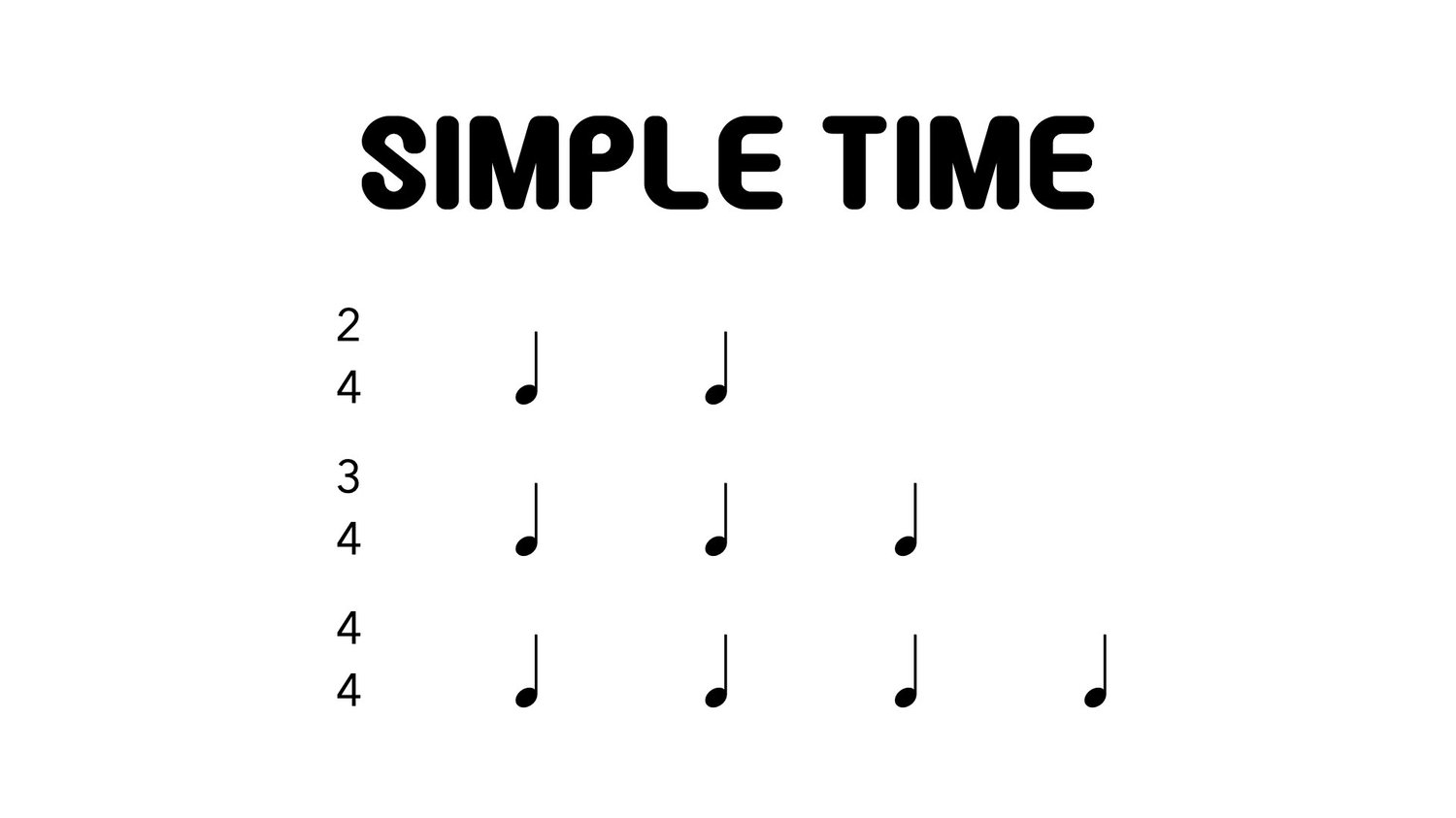
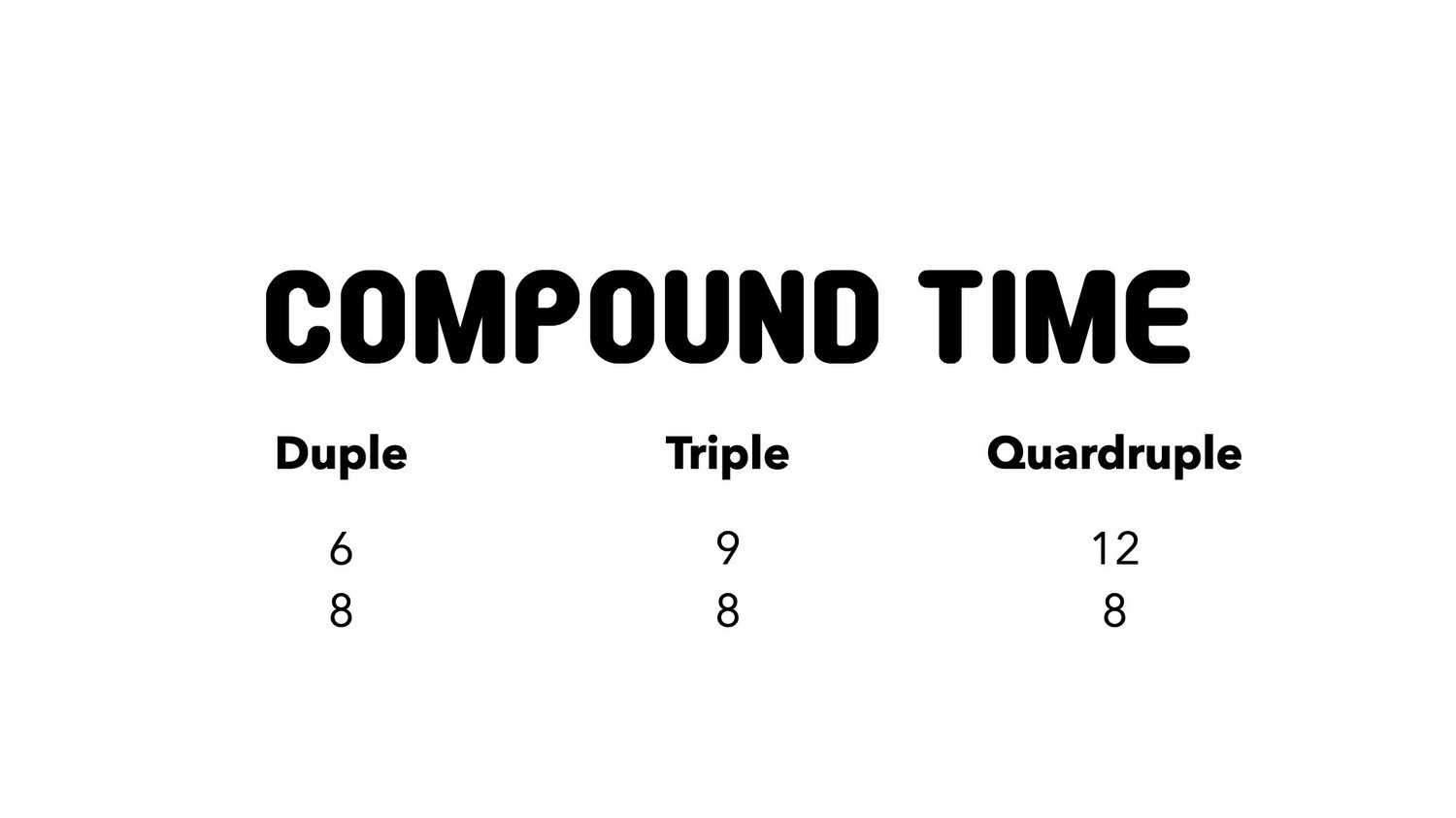
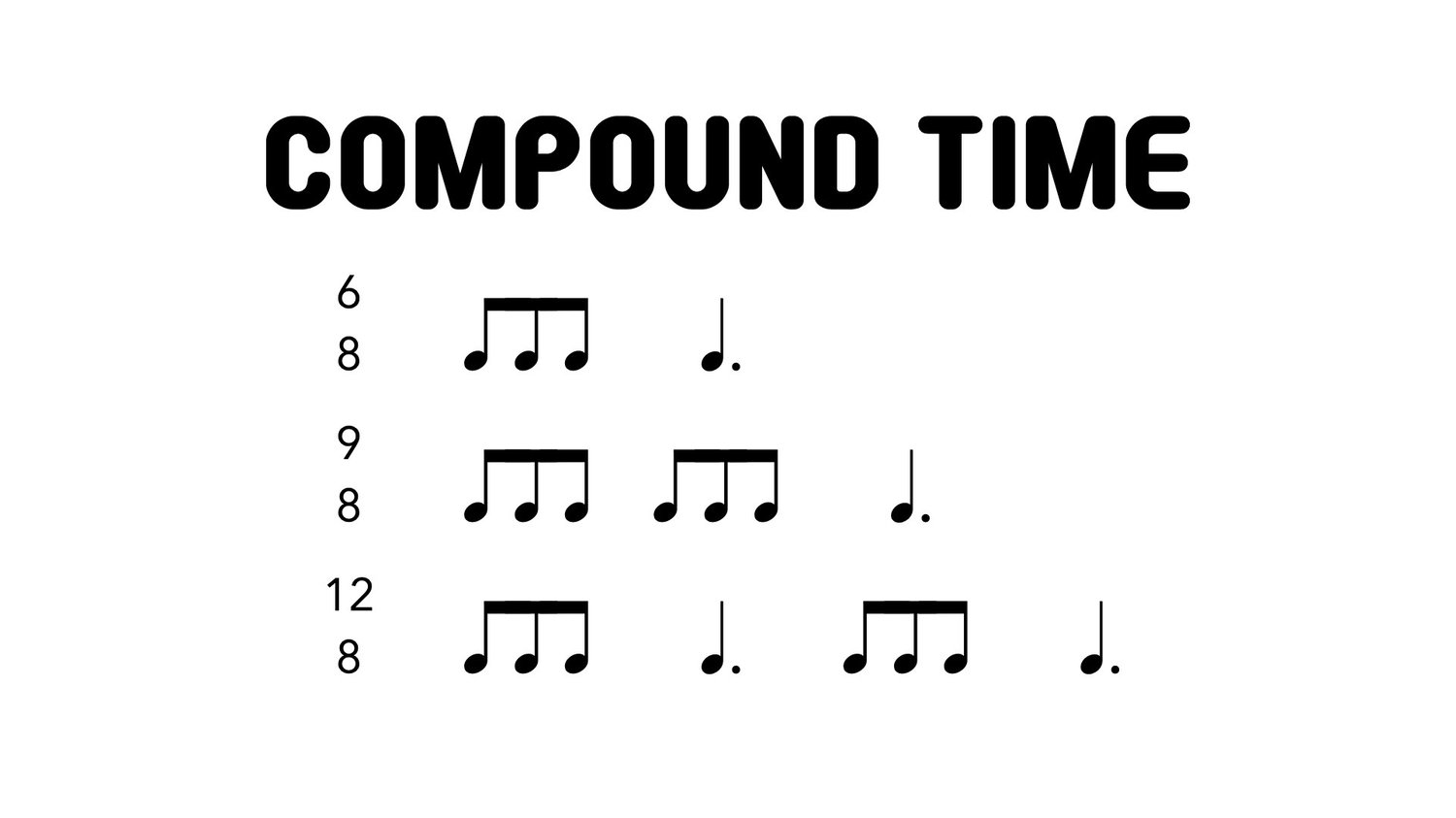
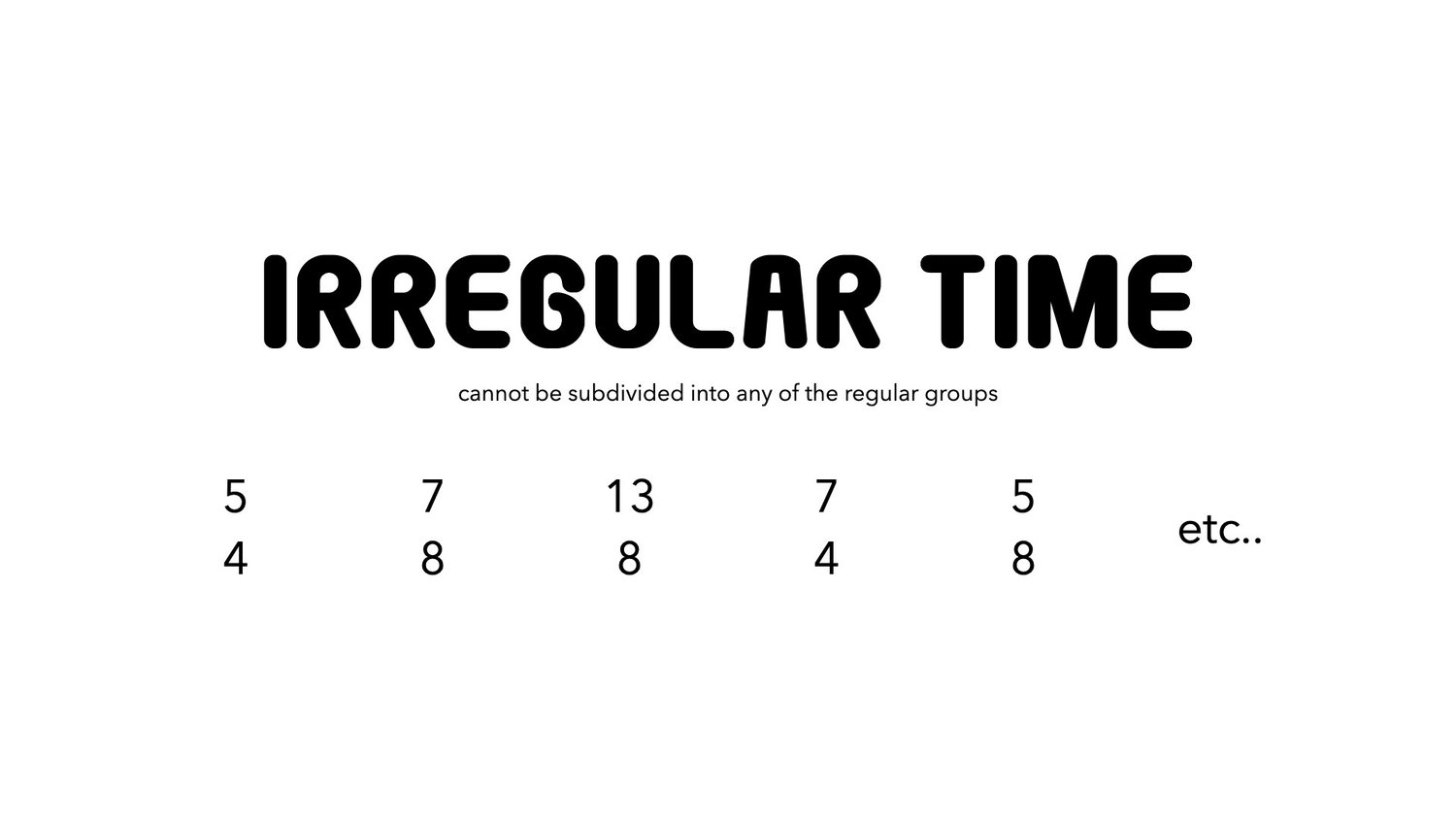
In music notation, a time signature indicates the number of beats in a measure and which note value represents one beat. A simple time signature is one where the main beats are divisible into two equal parts. The most common simple time signatures are 2/4, 3/4, and 4/4.In music notation, a time signature indicates the number of beats in a measure and which note value represents one beat. A simple time signature is one where the main beats are divisible into two equal parts. The most common simple time signatures are 2/4, 3/4, and 4/4.In music notation, a compound time signature indicates that the main beats in a measure are divisible into three equal parts. Unlike simple time signatures, which have the main beats divided into two parts, compound time signatures have beats that are subdivided into three parts. The most common compound time signatures are 6/8, 9/8, and 12/8.In music notation, a compound time signature indicates that the main beats in a measure are divisible into three equal parts. Unlike simple time signatures, which have the main beats divided into two parts, compound time signatures have beats that are subdivided into three parts. The most common compound time signatures are 6/8, 9/8, and 12/8.An irregular time signature, also known as an "asymmetrical time signature" or "mixed meter," is a time signature that does not fit into the typical patterns of simple or compound time signatures. Unlike the regular and predictable patterns of beats found in simple and compound time, irregular time signatures have varying numbers of beats per measure, and the beats may be grouped in a way that creates an unusual or unique rhythmic feel.