


Self Tape Secrets | Acting PDFs to help you book more roles (Kenya and Worldwide)
Turn self tapes, auditions and acting preparation into career momentum.
SELF TAPES SECRETS helps emerging and working actors prepare stronger auditions, build believable characters, improve self tapes and understand the professional side of acting through practical guides, AI assisted tools and affordable training resources.
I am not not simply another acting teacher.
My strongest positioning is:
The Casting Room Translator with a Coach’s Heart.
I translate confusing industry expectations into practical actions actors can understand and use.
That gives you three powerful content territories:
. What casting professionals are silently looking for.
. How actors can prepare and perform more effectively.
. How actors can build a sustainable career in a changing, AI driven industry
Not getting callbacks, even when you know you did a good job?
You memorized your lines, you hit the emotions, you sent the self tape and still, nothing. If you are an actor in Nairobi or anywhere in the world, this is not about talent. It is about how you present it.
Here is the truth most actors miss
Casting directors do not have time. They scan, they judge fast and if your self tape does not connect in seconds, you are out. Not because you are bad but because you are missing structure, clarity and control.
That is where Self Tape Secrets comes in
These acting PDFs are built to help you:
. Master self tape auditions from home.
. Deliver performances that feel natural and confident.
. Avoid the common mistakes that kill callbacks.
. Understand what casting directors actually look for.
Used by actors in Kenya, the United States, United Kingdom, Canada, India, Nigeria, Mexico, South Africa and beyond.
Inside this guides you will learn:
✔ How to structure your self tape for impact.
✔ What to do in the first 10 seconds.
✔ How to make your performance feel real, not forced.
✔ Confidence techniques for better delivery.
✔ Mistakes that silently kill your chances.
Imagine this instead:
You submit a tape and feel confident, your performance feels controlled, intentional and real. Casting directors remember you. You start getting callbacks, not silence.
Whether you are:
. Starting acting in Nairobi.
. Auditioning globally.
. Or trying to break into serious roles.
These guides give you practical steps you can apply immediately.
Start improving your auditions today
Download Self Tape Secrets now and take control of your next audition.
Why you are Not getting callbacks in Nairobi and how to fix it”: https://payhip.com/selftapesecrets/blog/acting-blueprint-from-self-tapes-to-career-longevity/why-smart-actors-study-the-casting-room-not-just-acting
CATEGORY 1: START HERE (ESSENTIAL GUIDES)
Essential acting guides for actors who want more callbacks, stronger auditions, professional representation and long term career growth.
“I do not know where to begin".
. GETTING AN AGENT FOR AN ACTOR: HOW TO SECURE REPRESENTATION, BUILD CREDIBILITY AND START BOOKING BIGGER ROLES
. SELF TAPE AUDITION: WIN MORE ROLES FROM HOME
. HOW DO ACTORS GET FAMOUS: THE REAL STRATEGY TO GET NOTICED, BOOK ROLES AND STAND OUT IN AUDITIONS (GLOBAL AND KENYA ACTING PDF GUIDE)
CATEGORY 2: SELF TAPE AND AUDITION SUCCESS
Everything related to auditions and on-camera performance.
Learn how to create professional self tapes, improve audition performances and increase your chances of booking roles.
“I want to perform better when opportunity comes".
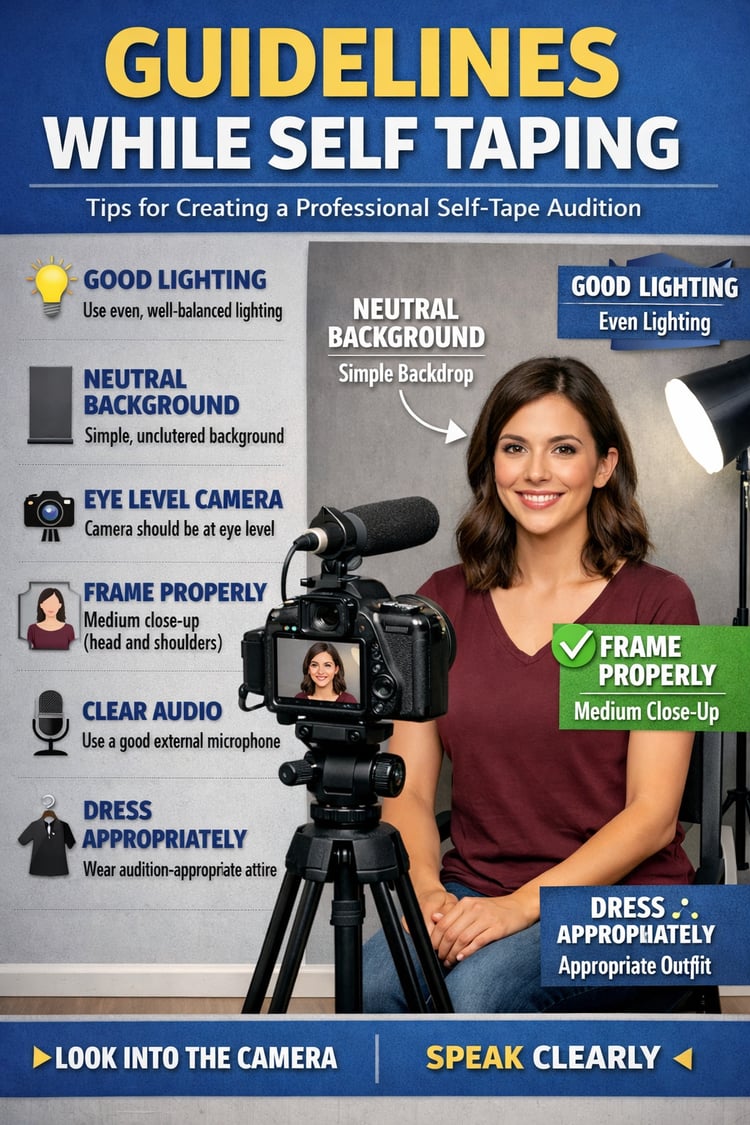
. GUIDELINES WHILE SELF TAPING: GUIDELINES ACTORS USE TO BOOK ROLES
. WHAT HAPPENS IN AN AUDITION ROOM: MASTER CONFIDENCE, PRESENCE AND PROFESSIONALISM
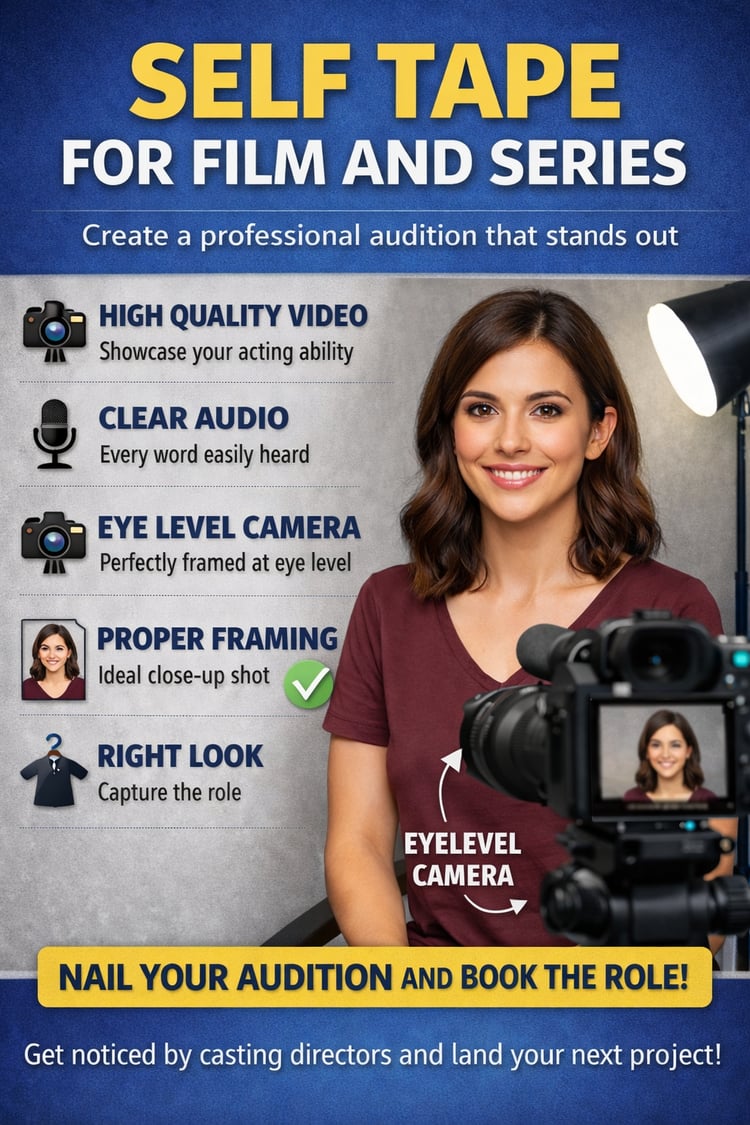
. SELF TAPE FOR FILM AND SERIES: WIN MORE ROLES FROM TELEVISION AND FILM FROM HOME
. HOW TO REHEARSE FOR A CHARACTER OR ROLE: REHEARSAL MASTERY
CATEGORY 3: ACTING SKILLS AND PERFORMANCE
Craft focused resources.
Strengthen your acting technique, timing, character work, emotional truth and performance skills.
“I want to become a better actor".
. BASIC TECHNIQUES IN GOOD DELIVERY OF A JOKE: COMEDY DELIVERY GUIDE
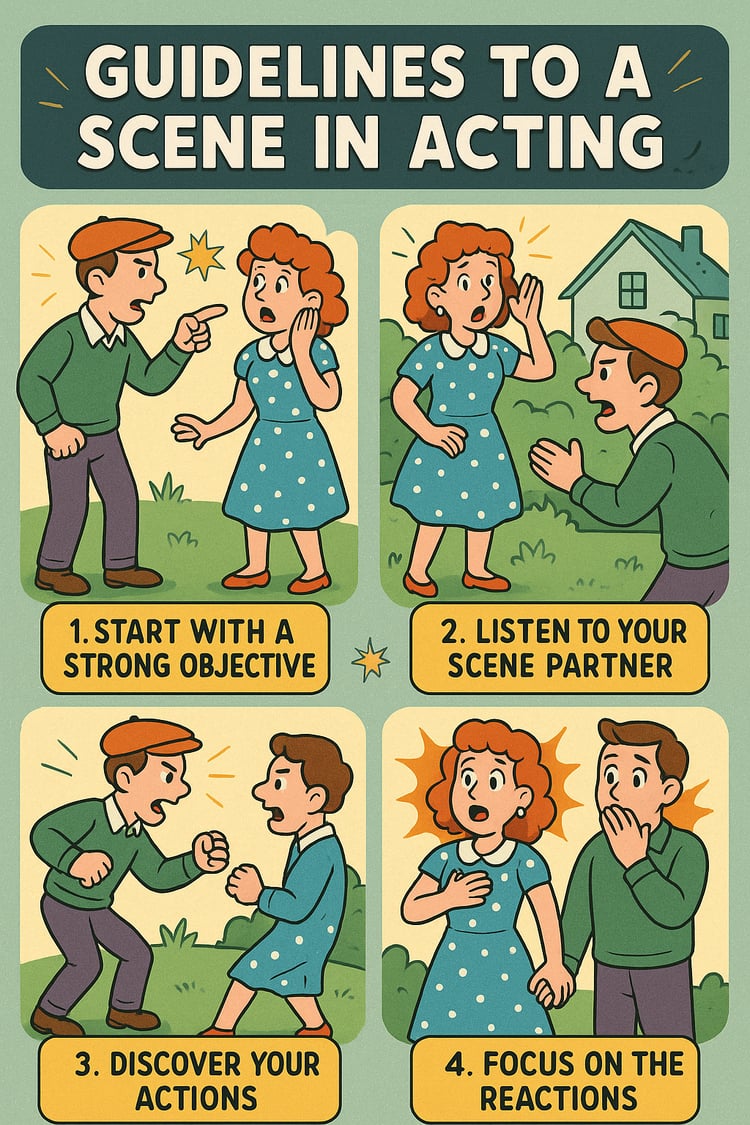
. GUIDELINES TO A SCENE IN ACTING: SCENE SUCCESS BLUEPRINT FOR ACTORS
. THEORIES OF HUMOUR: COMEDY MASTERY EVERY ACTOR SHOULD KNOW
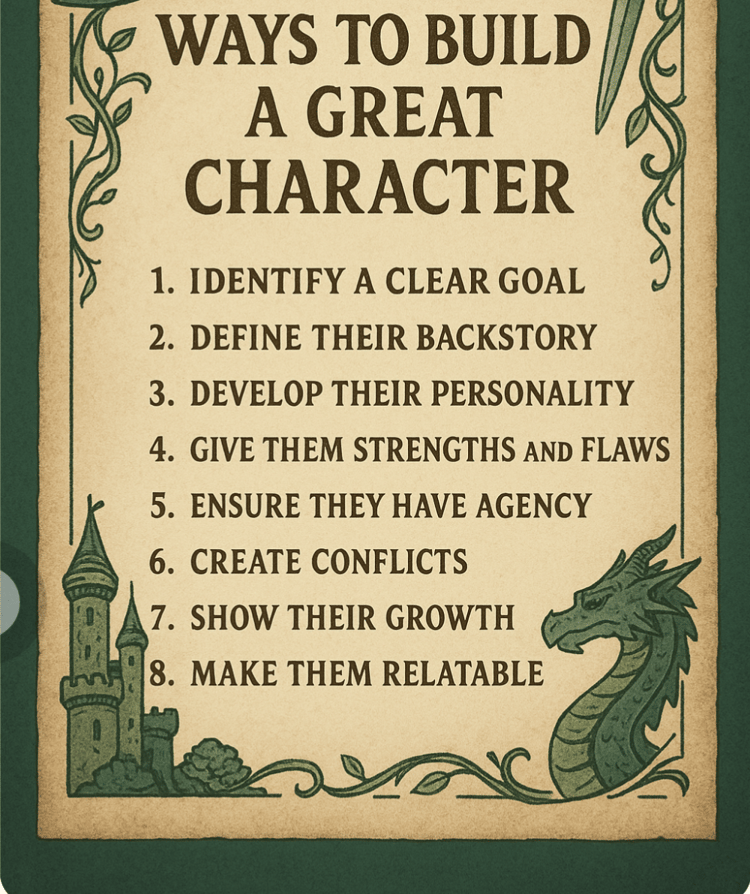
. WAYS TO BUILDING A GREAT CHARACTER: A PRACTICAL GUIDE FOR FILM, TELEVISION AND THEATRE ACTORS - GLOBAL EDITION
. ACTING TECHNIQUES: BUILD SKILLS FOR STAGE, FILM AND TELEVISION
CATEGORY 4: ACTING CAREER DEVELOPMENT
Career building resources.
Build a professional acting career, attract representation, create a strong actor brand and discover new opportunities.
“I do not just want to act - I want to build a career".
. STAGES OF A GROWING ACTOR: ACTOR GROWTH ROAD MAP EXPLAINED
. SHOWREEL SUCCESS BLUEPRINT: STAND OUT AND GET NOTICED BY CASTING DIRECTORS
. HOW TO MARKET YOURSELF AS AN ACTOR: BUILD VISIBILITY, INDUSTRY CONNECTIONS AND BOOK MORE ROLES
. WHAT ARE RESIDUALS FOR AN ACTOR: WHAT EVERY PERFORMER NEEDS TO KNOW
. HOW TO WIN AN OSCAR® AND GOLDEN GLOBE® — ACTING EXCELLENCE, SELF TAPE MASTERY AND CAREER STRATEGIES FOR GLOBAL ACTORS - KENYA AND WORLDWIDE PDF GUIDE
. IMPORTANT ACTING TRUTHS: BUILD CONFIDENCE AND BOOK MORE ROLES
CATEGORY 5: ACTOR MINDSET AND CONFIDENCE
Psychology and confidence resources.
Develop confidence, resilience, consistency and the mindset needed to thrive in a competitive industry.
. HOW TO ACT WELL WITH BAD WRITING: SAVE WEAK SCRIPTS WITH SKILL
. WORKING WITH A MUSICAL DIRECTOR: BUILD HARMONY ON AND OFF STAGE
. CHARACTER ACTING: TRANSFORM INTO UNFORGETTABLE ROLES
. RHYTHM AND PACE IN ACTING: MASTER EMOTIONAL TIMING, SCENE FLOW AND CHARACTER CONTROL
. EYELINE AS AN ACTOR: ON CAMERA TRICKS CASTING DIRECTORS NOTICE
. PREPARING FOR AN AUDITION: YOUR COMPLETE ACTING GAME PLAN
. THE MOMENT BEFORE YOU START ACTING: CREATE INSTANT BELIEVABILITY
CATEGORY 6: ACTING IN THE AI ERA
"The industry is changing. How do I stay ahead?”
. ARTIFICIAL INTELLIGENCE FOR ACTORS: THE FUTURE IS HERE