

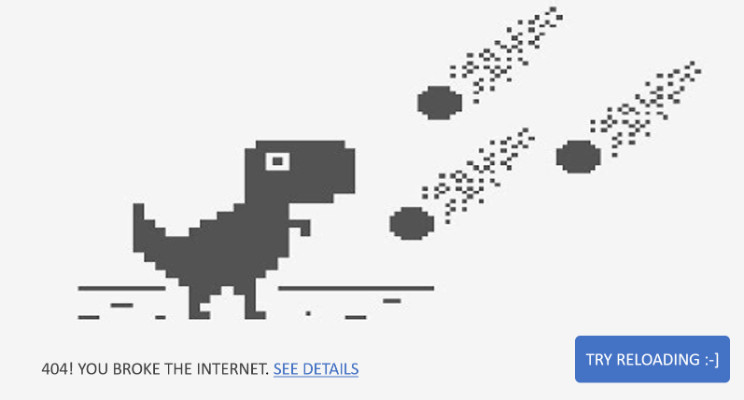

This might seem like an odd topic for me to write about, especially since most of my work is online. But what I really mean is, it's the end of how we use the internet as we know it.
AI tools are rapidly transforming the way we interact with the web. Since I spend so much time online—writing articles, analyzing data, and creating content—I notice these changes happening on the daily.
The internet feels like it’s falling apart—not physically, of course. The cables, cell towers, and data centers are all holding up just fine. But the platforms we rely on every day? They’re starting to feel broken, like a house that looks sturdy but has cracks in its foundation.

Take Google, for example. It used to be the go-to place for finding exactly what you needed. Now, it’s overloaded with ads, sidebars, and AI-generated answers that often feel off. A recent study even found that low-quality product review sites packed with affiliate links and SEO tricks rank high in search results. It’s like the system’s been gamed, and we’re left sorting through junk.
Amazon’s no better. Searching there means sifting through piles of sponsored products and cheap knockoffs before finding anything decent. And it’s not just annoying—it’s part of a bigger problem. Both Google and Amazon have become pay-to-play spaces for advertisers, and we’re stuck with the fallout: services that feel less helpful and more frustrating.

Social media? Don’t get me started. If I'm not working (in some form), I'm not on it anymore. Facebook has turned into a place for political arguments, birthday reminders, and the occasional life update from someone you barely know. My feed is stuffed with meme pages I never followed, recycled TikToks, and endless low-quality ads.
I remember when the majority of your daily notifications was people poking you, sending gifts, or inviting you to play a game. These days, it's mostly junk—and a surprising amount of it too, thanks to how easy it is to create content now. Those posts designed to "trigger" you just to get you to engage? They're everywhere.
X (you know, Twitter) has gone off the rails, filled with techie kids, Elon Musk superfans, and ads so bad they make you cringe. TikTok, one of the few spots left that's not chocked full of irrelevant business garbage, is facing bans and a bunch of other legal garbage in the U.S. and Canada, which feels like losing one of the last corners of the internet that still sparks a chuckle here and there.
Then there’s the rise of generative AI. It’s flooded every corner of the web with fake images and low-effort content designed to mislead or rile people up.

Stunning landscapes in Facebook Groups?
They fall apart if you look too closely.
That “perfect” influencer on Instagram?
Count their fingers—you might be surprised.
The thing is, the internet isn’t dead. It’s alive, but it’s being neglected. The tech giants running the show seem more interested in cutting costs and boosting profits than in making things better for us. Innovation has stalled, competition is non-existent, and we’re left with platforms that feel like they’ve stopped trying.

Maybe 2025 will be the year something breaks, or maybe it’ll be a chance for us to rethink how much we rely on these systems?
Either way, if this is the end of the internet as we know it, maybe that’s okay.
Maybe it’s time for something better.
Any Ideas?

Comments ()