

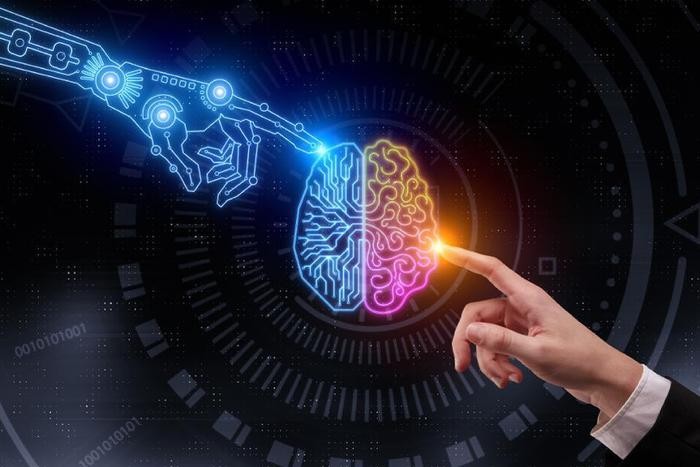
Brain-computer interfaces (BCIs) are revolutionizing how humans interact with technology, bridging the gap between neural signals and digital communication. From helping paralyzed individuals regain speech to enabling thought-controlled devices, recent advancements have pushed the boundaries of what these systems can achieve.
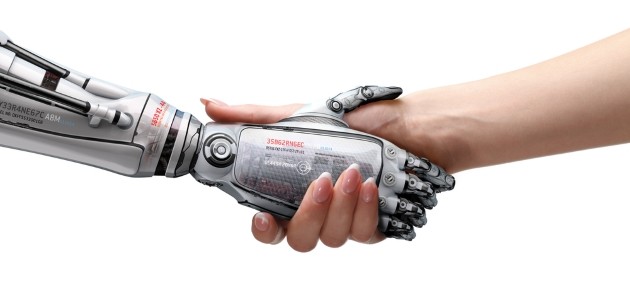
How BCIs Work
BCIs translate neural signals into actionable outputs, allowing individuals to control external devices such as robotic limbs, wheelchairs, or even computers. These interfaces use either invasive (implanted electrodes) or non-invasive methods (e.g., EEG caps) to record brain activity. Recent breakthroughs have vastly improved the speed, accuracy, and usability of BCIs.
Modern Innovations
Speech Restoration for ALS Patients
Researchers at UC Davis recently developed a system capable of decoding speech from brain activity with up to 97% accuracy. The system uses microelectrode arrays implanted in the brain, transforming the intent to speak into text and synthesizing speech in real time. This innovation restores communication for individuals with neurological conditions like ALS, enabling natural interaction with family and caregivers.
AI-Enhanced Decoding
Advances in artificial intelligence, particularly deep learning, have dramatically improved BCI performance. Modern AI algorithms can decode complex neural patterns more efficiently, providing higher accuracy in interpreting users' intentions. These systems now require less training time, making them more accessible for daily use.
Non-Invasive BCIs
EEG-based BCIs are gaining traction due to their portability and lower costs. Carnegie Mellon University researchers demonstrated that deep neural networks paired with EEG signals could predict user intentions with greater precision. These non-invasive systems hold promise for mass-market adoption, extending BCI applications beyond medical use to gaming, communication, and productivity tools.
The Future of BCIs
Relevant R&D companies are advancing implantable BCIs for broader applications, such as restoring motor function and enhancing cognitive abilities. The more recent trials highlight the potential for real-time brain-to-device communication, paving the way for future integration of BCIs into everyday life.
Implications and Future Directions
The BCI industry is projected to grow to $6.2 billion by 2030, underscoring its transformative potential. As the technology evolves, ethical considerations, such as data privacy and accessibility, remain critical. However, the promise of BCIs enhancing both medical and non-medical applications is undeniable. Future iterations may offer hands-free control of smart devices, immersive gaming experiences, and even cognitive augmentation.
With ongoing research and industry support, BCIs are poised to redefine the interaction between humans and machines, unlocking new realms of possibility for individuals across the globe.

Comments ()