

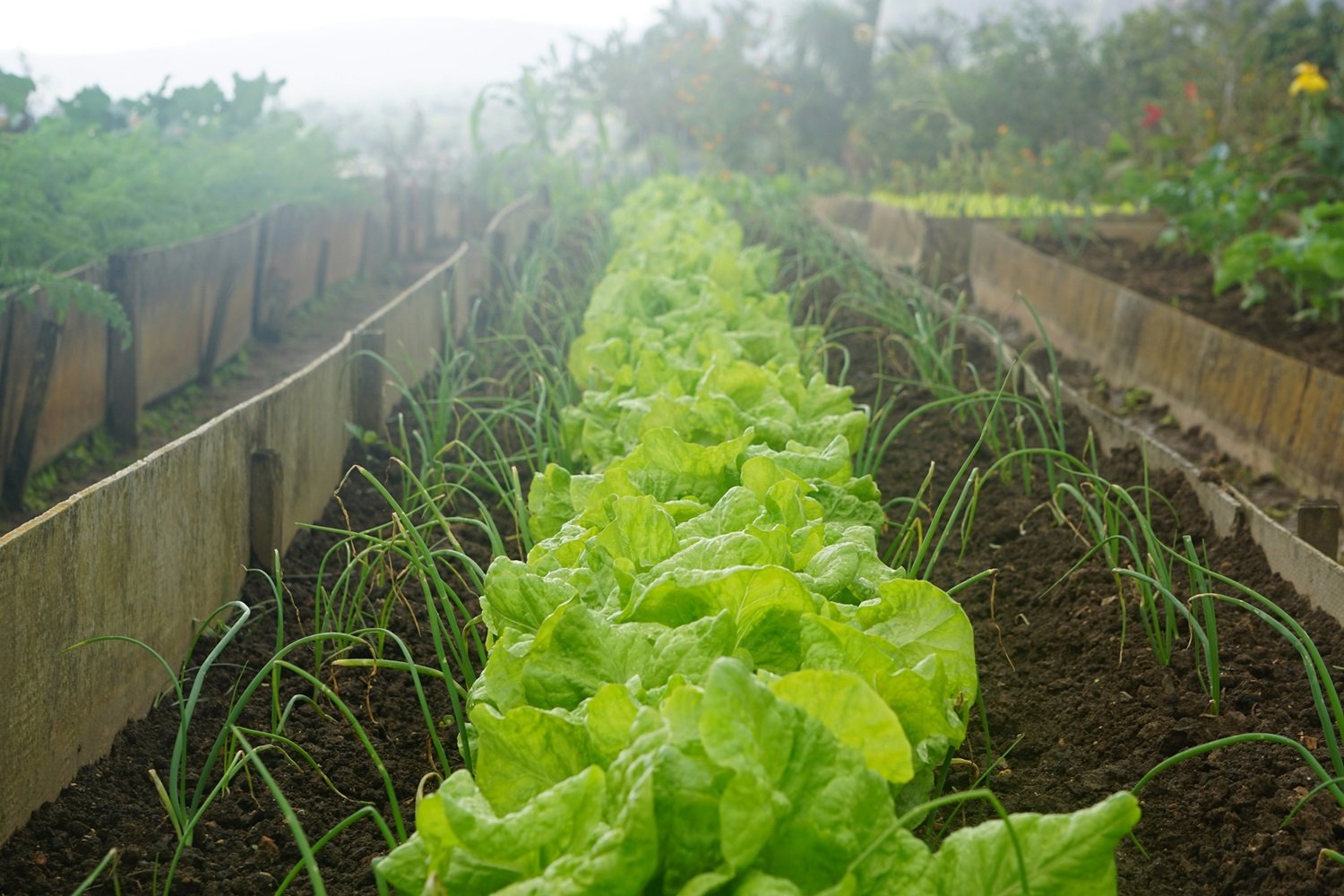
Gone are the days when you hit retirement and you have an allotment. For decades, the local community plot was the exclusive domain of flat cap wearing grandads, thermos flasks, and competitive marrow growing. It was a hobby for the twilight years, a quiet escape to sit in a creaky wooden shed and hide from the world.
Not anymore. Walk down to a British allotment site today and you are far less likely to see retirees and far more likely to find twenty-somethings. The plot has become a stage and a trend. For the under 30 crowd, growing your own food is the ultimate lifestyle shift, a fierce competition, and a massive movement.
By Thomas Wright, Trade & Sustainability Editor
The New Plot Holders
A massive demographic shift is taking place across Britain's topsoil. National waiting lists for allotments have reached historic highs, and it's not retirees filling the queues. It's people in their twenties. Walk down the paths and you'll see twenty four year olds meticulously building raised beds, and twenty eight year old fitness enthusiasts using no-dig gardening as their morning workout.
The traditional image of the accidental gardener is dead. The new generation of growers are young, driven, and often completely inexperienced when they plant their first seed. They don't view gardening as a passive pastime. They view it as a discipline. Take the growing number of young athletes and boxers trading the gym for the spade. They have no background in farming, but they approach the soil with the same intensity they bring to the ring. For them, it's about absolute control over what goes into their bodies, clean nutrition, and the raw physical satisfaction of manual labour.
From Houseplants to Food Producers
How did a generation raised on digital screens fall in love with dirt? The obsession started innocently enough. A few years ago, young adults became obsessed with houseplants. Greenery became the definitive home decor trend for anyone renting a flat. But once you've mastered keeping a monstera alive in your bedroom, the logical next step is trying to grow something you can actually eat.
When your entire working day is spent sending emails, tweaking spreadsheets, or scrolling through feeds, your brain craves something real. You can't speed up a tomato plant with an app. Pushing your hands into cold mud and watching a tiny seed turn into a meal provides a profound sense of achievement that a digital world simply can't replicate. It's the ultimate digital detox, but with a delicious payoff.
Is It Worth It?
There's also a distinct streak of rebellion in this green wave. Young people are looking at supermarket inflation, supply chain shortages, and the cost-of-living crisis, and they're choosing to opt out where they can. Growing your own food has become a form of mini homesteading, a stylish way to go slightly off the grid. But with the cost of compost, tools, and seeds adding up, newcomers quickly face a reality check is it actually worth it?
Financially, it takes time to break even, but the true return on investment isn't just about cheap veg. It's a badge of honour to show up to a dinner party with a basket of heirloom tomatoes and purple carrots that you grew yourself without a single commercial pesticide or municipal water hookup. It's the ultimate eco-statement. On social media, hashtags like #AllotmentLife and #GrowYourOwn have billions of views. The aesthetic has completely changed. Plots are no longer messy piles of scrap wood and rusty corrugated iron. They are beautifully designed spaces with matching terracotta pots, companion planted flower borders, and hand painted signs. For this generation, the freedom and food security mean it’s absolutely worth the graft.
A New Type of Competition
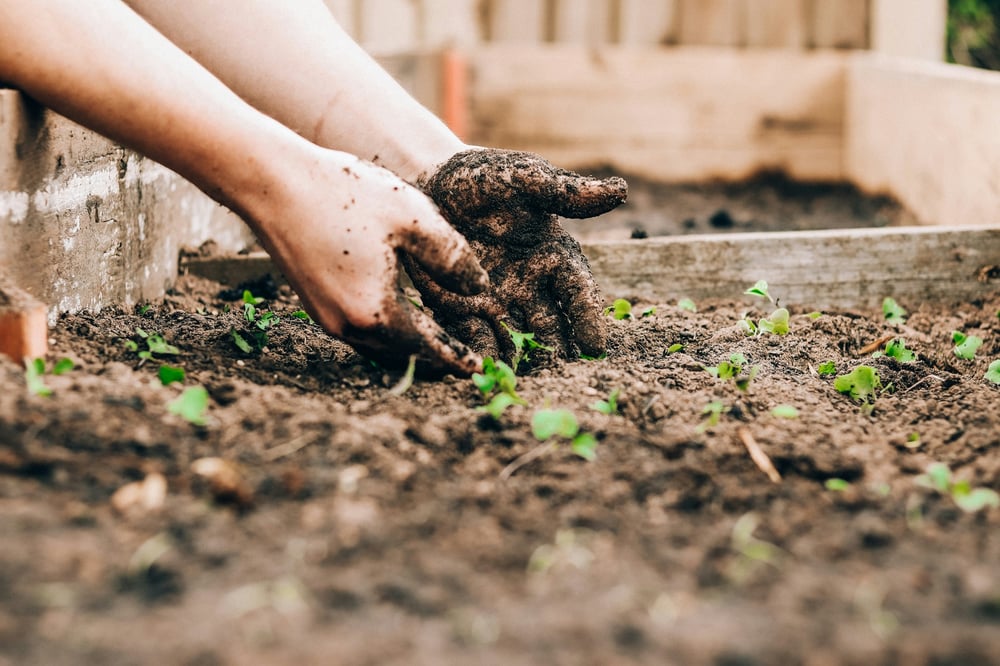
Make no mistake, just because it's therapeutic doesn't mean it's peaceful. The old-school allotment holders used to compete over the heaviest pumpkin at the village show. The under 30 crowd has brought a whole new level of rivalry to the game.
Now, the competition plays out in real time online. It's a race to see who can build the most efficient rainwater harvesting system, who can harvest the earliest chillies of the season, and who has the most efficient compost setup. It's a community built on shared tips, but it's driven by a desire to master a craft, but the results speak for themselves.
The youth are revitalising British growing spaces. They're bringing passion, stamina, and a deep commitment to sustainability to a British tradition that desperately needed a shake-up. The flat caps are gone, the trainers are muddy, and the next generation has officially taken the ground.
Thomas Wright is a qualified carpenter who balances his time between commercial construction sites and his own timber framed homestead. A passionate advocate for self-sufficiency, he spent the last three years building a fully off grid, solar powered greenhouse where he experiments with closed-loop soil systems and heirloom fruit cultivation.
Up Next