


By Elena Thorne, Mindset and Wellness Editor
It's never a bad day to celebrate women and show them love and appreciation. Yet, there are certain dates when this expression of gratitude feels almost mandatory, and Mother's Day is a prime example. While for some, it's a day of joy and gratitude, for others, it carries a weight that's rarely acknowledged.
Whether due to loss, strained relationships, or a personal preference, not everyone sees Mother's Day as a time for celebration. As the holiday becomes more commercialised, it's worth considering whether the pressure to celebrate is necessary or if we can honour our mothers in more meaningful ways beyond a single, prescribed day.
Did You Know That the Founder of Mother's Day Was Actually Against It?
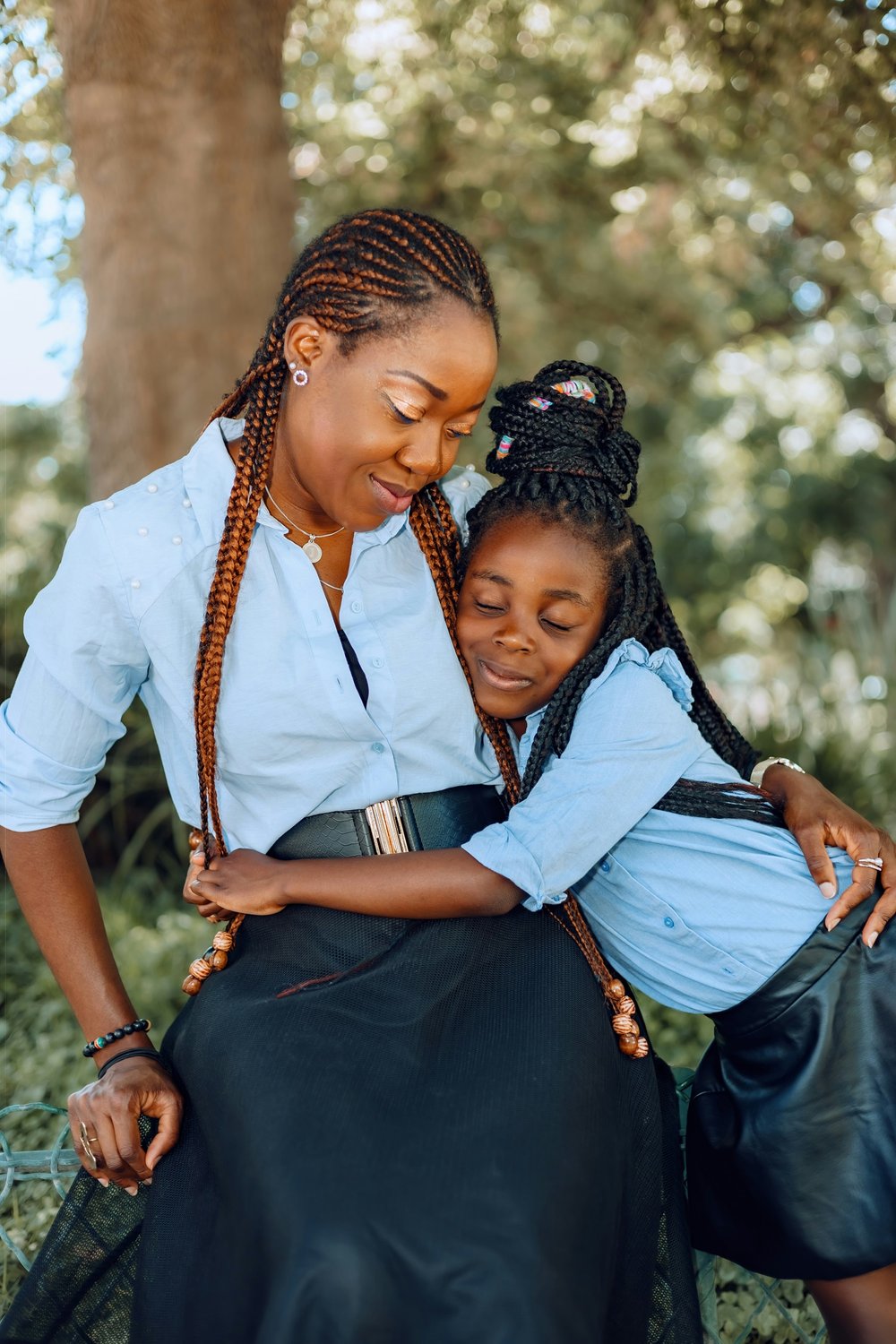
Mother's Day was first established in the US, thanks to Anna Jarvis, who wanted to honour her late mother and recognise the sacrifices of all mothers. In 1908, she organised the first official celebration, and her campaign and efforts led to Mother's Day becoming a national holiday in 1914. However, just a few years later, Anna became disappointed with how quickly the day became incredibly commercialised. She had envisioned a heartfelt occasion for personal gratitude, but businesses seized the opportunity to profit from greeting cards, flowers, and gifts.
Outraged, she spent the rest of her life campaigning against the holiday she had created, even attempting to have it abolished. The legal battles drained her finances, leaving her in debt, but she remained true to her vision of what the holiday should be about.
Does Mother's Day Put Too Much Pressure on Us?
Although overall, the holiday has a positive connotation, there is the other side of it that's often overlooked. Not everyone has a close or loving relationship with their mother, and when the world is flooded with sentimental ads, gushing social media tributes, and, of course, gift-giving, those who feel differently are left in silence.
This silence is compounded by a digital landscape that demands performative perfection. For individuals navigating complex family dynamics, the mandatory cheerfulness displayed online can feel isolating, transforming a day meant for appreciation into an emotional minefield of comparison and unspoken grief.
No one talks about what it's like to scroll through endless social media posts praising "the best mom in the world" while feeling nothing but indifference, discomfort, or even resentment. The pressure to celebrate, to show love even when it isn't really there, makes the day feel less like a heartfelt tradition and more like an almost guilt-driven ritual.
For those who don't share the excitement over the holiday, it can be a painful reminder of what they don't have, leading to a sense of detachment or discomfort that often goes unspoken because it's almost not socially acceptable to feel that way. But maybe it's time we acknowledge that Mother's Day isn't a universal experience and that not celebrating is just as valid as marking the occasion.
Ultimately, true validation comes from stepping away from prescribed expectations and giving ourselves permission to feel whatever surface-level or deep emotions arise. Protecting one's mental wellness means recognising that a corporate holiday calendar does not dictate the terms of our personal healing, boundaries, or love.
Mother's Day Isn't for Everyone, And That's Okay
There is essentially nothing wrong with celebrating Mother's Day, as long as it doesn't bring more pressure to do or say something than actual joy. Not every relationship fits into the idealised image we see online and in greeting cards, and it's time we embrace that. Additionally, love, gratitude, and reflection aren't bound to a single day. They unfold naturally, in quiet moments and in ways that feel right to us.
UP NEXT