

If you think leadership is just about spreadsheets, KPIs, and quick wins, then the story of AC Milan might really surprise you. The club wasn't held back by a lack of money, talent, or support. Instead, the bigger issue was leadership that gradually lost sight of what originally made the club great, and that’s what really damaged its once-strong foundation.
Introduction
Leadership failures often sneak in quietly, not with loud chaos or headlines, but behind strategic words and polished presentations. By the time we see the results falter, the damage may already be done — identities weaken, cultures shift, and standards become more flexible than they should be.
This makes AC Milan a truly inspiring example. It’s not just a story about football; it’s about leadership. It’s about what happens when an organisation built on strong identity, high standards, and clear values begins to drift away from those core principles. And it’s about the importance of reconnecting with those foundations to start the journey of recovery.
Think of it not just as a football story, but as a lesson for anyone responsible for leading people, shaping culture, and maintaining standards over time.
AC Milan isn’t just a football club — it’s a legendary institution in world sport. With nineteen Serie A titles and seven European Cups, it’s among the best, but its significance goes beyond just the numbers. For decades, Milan stood for something bigger than trophies. It symbolised professionalism, discipline, prestige, and a pursuit of excellence that others aspired to. Instead of chasing relevance, it set the standard and inspired others to follow.
This level of success wasn’t a coincidence. It was rooted in clarity — clarity about what Milan stood for, what was expected, and what leadership looked like. Everyone knew what it meant to wear the shirt. Coaches understood the importance of their role. And executives worked to protect, not dilute, the club’s identity. When everyone aligns around these principles, performance becomes consistent because it’s based on a shared understanding.
Inside Milan, the goal was simple: be the best. Not just respectable or competitive — but the very best.
Great Organisations Are Built on Identity, Not Tactics
During its peak, Milan reached a level that many organisations strive for but rarely achieve. It was a time when leadership, culture, recruitment, and performance were perfectly aligned, all moving in the same direction. The club knew exactly who it was, what it expected, and what it was not willing to compromise on.
That alignment brought more than just trophies; it fostered continuity, trust, and stability, even in challenging moments. But then came 2012.
Financial Fair Play reshaped European football, requiring clubs to operate with greater discipline. The margin for error shrank quickly, and organisations led by clarity and long-term vision thrived, while those with weaknesses were exposed.
At the same time, Milan faced growing uncertainties at the ownership level. Silvio Berlusconi, who had guided the club through its golden years, gradually reduced his level of commitment. The once-ambitious and confident club began to move hesitantly.
Hesitation at the top often costs more than leaders realise.
When leadership stalls in a company built on certainty, the effects don’t stay isolated. Investments slow down, recruitment becomes more reactive, standards begin to slip, and decision-making shifts toward convenience. The club might still carry the same name, badge, and reputation, but quietly, something vital is changing beneath the surface. The gap between what the club once was and what it's becoming is widening.
That’s exactly what happened with Milan. The decline didn’t happen overnight—there was no single dramatic event. Instead, it was a gradual process. Small compromises were made, expectations softened, and decisions that would have been rejected in the past were accepted as practical at the moment. Over time, those compromises stopped feeling temporary and became the new normal. That’s how even the greatest organisations decline—not through one catastrophe, but through slow drifting.
Drift begins when leaders stop defending the standards that once defined excellence. It starts when urgency replaces discipline, when short-term fixes take precedence over long-term strategies, and when safeguarding the culture no longer seems as vital as addressing immediate issues. The danger is that drift can be justified easily. Results may look acceptable for a period, and the brand still appears strong from the outside. But inside, the foundations are weakening. Identity becomes less clear, culture loses its sharpness, and the unique edge that once set the organisation apart begins to fade.
Leadership Returns, and So Does Success
When Elliott Management took control, it brought an important sense of leadership competence back to Milan. Instead of chasing headlines or relying on prestige alone, the club started rebuilding itself the right way. It first restored credibility at the leadership level. This mattered because organisations that struggle don’t bounce back with slogans or just optimism. They recover when leadership becomes clear again, decision-making makes sense again, and standards feel meaningful again.
Under the guidance of Ivan Gazidis, Paolo Maldini, and Frederic Massara, Milan focused on rebuilding its leadership strength before trying to rebuild the team. That order was important. It made decisions calmer, more disciplined, and aligned with a longer-term vision. The club began to focus less on appearances and more on finding players who fit well, who were eager to learn, and who could contribute to a shared standard. Veterans were chosen carefully, and young talent was nurtured patiently. Gradually, the dressing room started to feel a renewed sense of purpose.
That’s how real rebuilds happen. They don’t start with hype—they start with clarity.
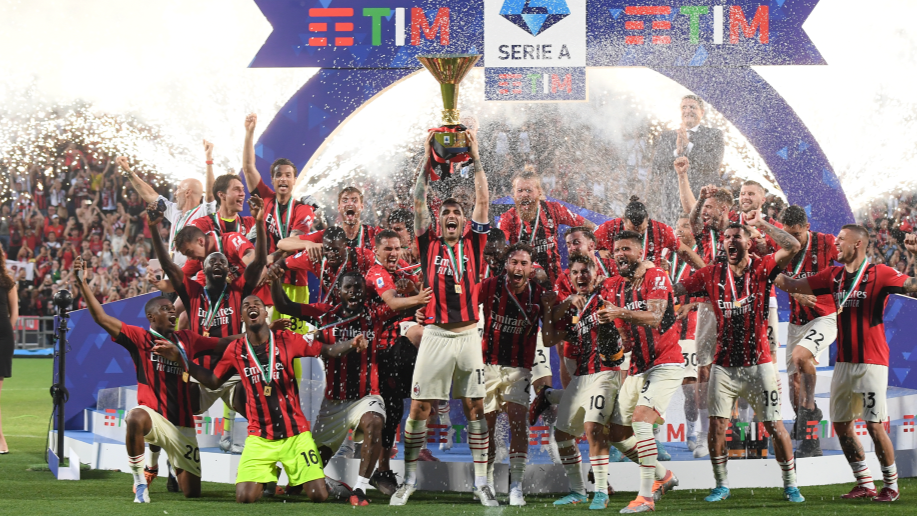
The 2022 Scudetto wasn’t just about football; it was a victory of leadership. Milan didn’t win because it had the most expensive team or the biggest stars in their prime. It won because everyone was aligned again. Leadership created belief. Coaching brought the team together. Players embraced a common standard. Discipline, unity, and a sense of shared responsibility became strong once more.
In business terms, that title was the visible result of deeper work done behind the scenes. Trust was rebuilt. Culture was refined. Standards were restored. The team reflected the leadership environment around it.
So why did this turnaround happen? Because Milan stopped trying to be something it wasn’t and reconnecting with what it has always been.
Maldini: The Living Standard
No one exemplifies this better than Paolo Maldini. Maldini wasn’t just another executive in a suit—he was the living memory of AC Milan at its very best. His authority didn’t come from a title; it came from a lifetime of credibility. He lived the standards, wore the badge with pride, and led some of football’s greatest teams. When he spoke, he was speaking from experience, not just theory.
Inside the club, Maldini carried real weight. He served as a cultural compass, reinforcing the organization’s identity in ways that can’t be measured in reports or presentations. He reminded players, staff, and leadership what Milan was meant to feel like. He made the standards visible, connecting the club’s history to its behaviour today.
That’s important because culture isn’t kept alive through documents alone. It’s preserved through the people who carry it forward.
The most influential cultural figures in an organisation often aren’t the loudest—they’re the ones whose behaviour consistently reinforces standards without needing to say a word. They shape expectations just by how they carry themselves. They give younger members something real to aspire to. They make culture tangible.
Maldini did exactly that for Milan. His presence reaffirmed an important truth that too many leaders forget: standards aren’t just declared once—they must be demonstrated, reinforced, protected, and renewed over time.
The Leadership Foundations That Built Milan
To truly appreciate why Milan’s decline was so profound, it’s helpful to first remember what made the club special in the first place. During the Berlusconi years, Milan wasn’t just winning; it was built on a solid foundation. Berlusconi looked at the club as more than just a sports team he owned — he aimed to create a world-class institution. He invested generously, but he knew that money isn’t everything. What truly set Milan apart was the inspiring environment surrounding the team: strong leadership, brilliant football minds, and a culture that expected excellence every single day. This nurturing atmosphere allowed legends like Arrigo Sacchi and Carlo Ancelotti to flourish. Sacchi’s Milan in the late 1980s revolutionised football. His teams pressed, defended, and attacked with amazing teamwork and discipline. But beneath that tactical genius was something deeper — a sense of organisational harmony. Every player knew the shared vision, and each role fit perfectly into the whole. The system thrived because everyone believed in it and stood united. That’s the real lesson in leadership. Sacchi wasn’t just teaching tactics; he was instilling a shared standard that everyone believed in. Ancelotti later built on that strong foundation, bringing his own calm, relational style. He created a space where strong personalities and talented players could perform at their best without ego disrupting the harmony. He understood when to set clear structures and when to trust his team — balancing authority with emotional intelligence. Milan’s success came from combining discipline with trust, authority with understanding, clarity with freedom for talent to shine.
The same principles apply beyond sports, especially in business. Organisations grow strong with effective leadership, a disciplined culture, and a clear identity. But then, new leaders often focus on short-term results—big profits, quarterly reports, restructuring—sometimes at the expense of the organisation’s soul and its history. While these choices might seem efficient on paper, they can weaken the very foundation that made the company successful. It’s a familiar pattern. Experienced leaders get replaced by those who understand numbers but not the cultural fabric. The focus shifts from long-term growth to immediate gains, and the organisation's identity is diluted as it chases trends rather than sticking to its core principles. The problem isn’t a lack of intelligence or resources—often, it’s that leadership forgets what really made the organisation thrive. Milan offers a clear example of what can happen when this happens in the public eye.
The Critical Leadership Mistake
Things took a turn when RedBird Capital Partners decided to part ways with Paolo Maldini. At first glance, it might seem like just another company decision. Boards often look at performance reports, organisational charts, and operational details. To outsiders, people can seem interchangeable. But culture is much more complex. Losing Maldini was like losing a key part of the club’s very soul. Leaders like him carry a special kind of influence — trust, memories, emotional resonance, authority — and they help keep the organisation steady, embody its history, and inspire its current spirit. Because these qualities are tough to quantify, boards may not realise just how vital they are. When such important people leave without careful planning for successors, the effects might not be immediate but will certainly be felt over time.
When decision-making lacks clear context, and standards become flexible, it can make recruitment feel less focused. As leadership signals become unclear, the organization gradually begins to lose its sense of connection and direction. It helps to stay attentive to these elements to keep the organisation aligned and thriving.
Milan’s story once again highlights the importance of strong leadership and a deep connection to culture. When leaders protect their core values and prioritize long-term strength over quick wins, they foster resilience and enduring success. Remember, nurturing your organization’s identity and standards is the key to thriving through challenges, much like Milan’s history shows us. Whether you manage a team or a company, cherishing your culture and leading with clarity can make all the difference.
This leadership perspective reflects Alfa Consulting Services' philosophy. Through Alfa Consulting, Frank Ziovas partners with founders, executives, and leadership teams to strengthen organisational clarity, rebuild high-performance cultures, and implement practical leadership systems that deliver long-term results.
The focus is simple: align vision, strengthen culture, sharpen decision-making, and build leadership structures that enable organisations to grow without losing their identity.
In business, as in elite sport, success is rarely an accident. It is built over time through disciplined leadership, clear standards, and systems strong enough to last.
Comments ()