
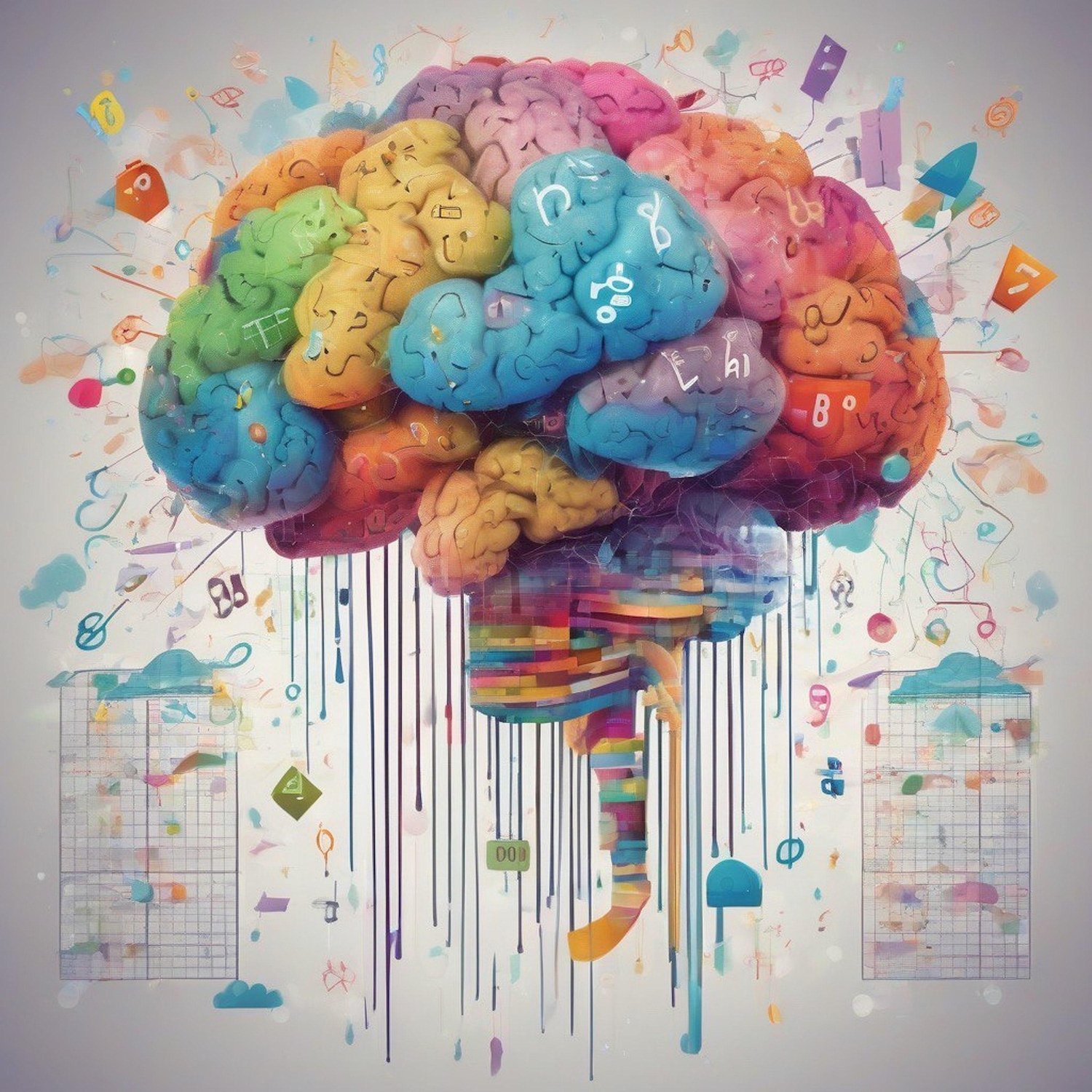
The landscape for creators in 2026 feels like a double-edged sword. On one side, generative AI has democratized tools that once required teams, budgets, and years of training—anyone can now spin up polished videos, images, copy, or even entire campaigns in minutes. On the other, this explosion has led to overwhelm: feeds flooded with generic "AI slop," audiences growing numb to formulaic content, recommendation algorithms clogged, and a nagging fear that human originality is drowning in the noise.
Many creators hit a wall in recent years—burnout from chasing trends, anxiety over job displacement in creative fields, and the soul-crushing realization that speed alone no longer wins. Yet, a growing group of real creators isn't just surviving; they're thriving by flipping the script. They're moving from AI overwhelm to algorithmic freedom—using AI as infrastructure rather than a crutch, reclaiming their unique voice, and building sustainable practices that prioritize depth over volume.
Here's what the most effective creators are doing differently in 2026.
1. Embracing "AI as Copilot, Not Creator"
Top creators treat AI like a powerful assistant for execution, not invention. They ideate from lived experience, personal stories, and hard-earned taste—then deploy AI to accelerate polishing, editing, or scaling.
- Writers brainstorm plots or character arcs themselves but use tools like Claude or custom GPTs to draft variants, refine phrasing, or optimize for Generative Engine Optimization (GEO) so their work surfaces in AI-powered search.
- Visual artists sketch core concepts by hand or from reference, then refine with Midjourney/Leonardo for iterations—keeping the "artist in the loop" to preserve emotional resonance.
- Video creators shoot raw, messy footage that feels human, then use Descript or Opus Clips for editing magic—removing filler without erasing personality.
The result? Content that feels authentic and "messy" in the best way—exactly what audiences crave after years of over-polished AI output.
2. Prioritizing Authenticity and Human "Messiness"
In a sea of perfect-but-soulless content, imperfection has become premium. Creators are leaning into raw edges: unscripted moments, vulnerable storytelling, cultural specificity, and emotional depth that AI still struggles to fake convincingly.
Trends from Adobe's 2026 Creative Trends and creator reports highlight this shift—multisensory, playful, culturally rooted work wins because it connects emotionally. Successful creators watermark their humanity: behind-the-scenes process videos, live Q&As, or disclaimers about AI use (when they do use it) to build trust. Audiences reward those who deliver what machines can't: genuine point-of-view, courage, and lived experience.
3. Building "Agentic" Workflows for Leverage, Not Overload
Rather than drowning in tools, elite creators design streamlined, agentic systems—AI agents that handle repetitive tasks autonomously.
They use platforms like Notion AI for organizing ideas, Perplexity for research, or custom agents for multi-step workflows (e.g., "analyze my last 10 posts → suggest improvements → draft threads"). This frees hours for high-value creation: deep thinking, community building, or experimentation.
The key? Strict boundaries. Many set "no-AI zones" for core creative moments and disclose usage transparently—turning potential backlash into a trust signal.
4. Focusing on Community, Distribution, and Creator-Led Brands
As AI search rises (with tools pulling from creator content), visibility depends less on virality and more on trust layers—being the human experts LLMs cite or audiences seek out directly.
Creators act like mini-media networks: owning newsletters, YouTube channels, or Patreon communities; partnering with brands for sustainable deals rather than one-offs; and treating audiences as collaborators (e.g., polls shaping content). Platforms reward this—newsrooms even hire creators or mimic their styles to stay relevant.
5. Cultivating "Change Fitness" and Long-Term Freedom
The real winners build resilience: experimenting without attachment, measuring what energizes them (not just metrics), and designing for freedom—passive income streams, time sovereignty, meaningful work.
They ask: Does this AI use amplify my unique edge or dilute it? The answer guides everything.
In 2026, algorithmic freedom isn't about rejecting AI—it's about mastering it so it serves your vision, not the other way around. Creators who double down on what makes them irreplaceable (taste, story, connection) aren't just keeping up; they're defining the next era.
If you're feeling the overwhelm but sense there's a better path—one where AI amplifies your creativity instead of overshadowing it—my book “The Phoenix Reset: Delete Your AI Crutch and 10× Your Social Presence in 30 Days” dives deeper into these exact strategies. It shares frameworks, workflows, and real creator case studies to help you move from surviving the AI flood to leading with freedom and intention.
Use promo code QFQJM0LRSH for 50% off right now—whether you're a writer, artist, filmmaker, or multi-hyphenate creator, this is the toolkit to make 2026 your breakthrough year.
Grab your copy today and start building the future you actually want to live in. Your
most liberated creative era is waiting. 🚀