
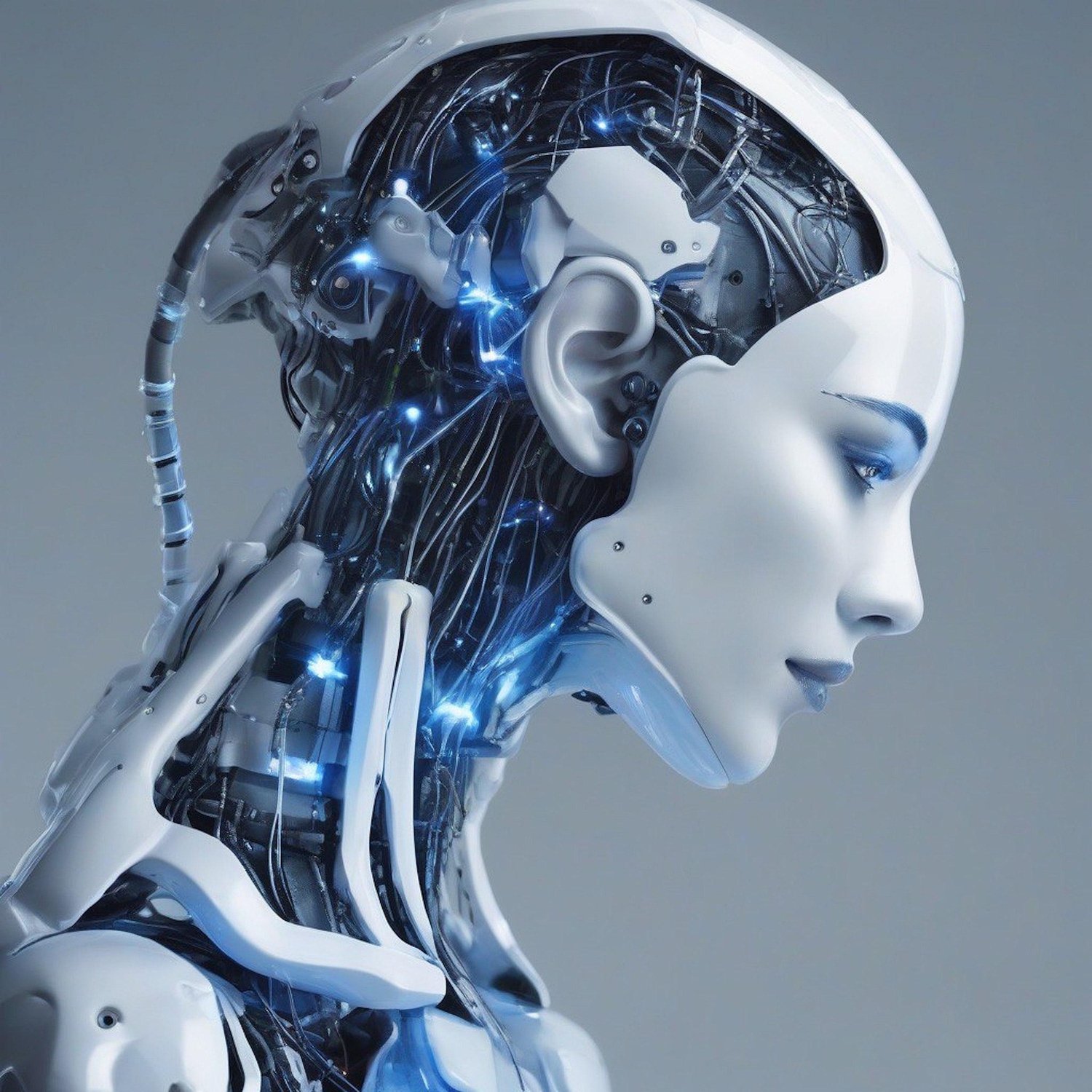
Hey, it’s me — the guy who’s been yelling into the internet void since before “algorithm” was a dirty word. I’ve built audiences, lost them, rebuilt them bigger. But nothing, and I mean nothing, hit me like the Great AI Reset of late 2025. One day feeds were drowning in polished, perfect, suspiciously similar AI slop. The next?
Platforms started quietly (then loudly) rewarding the messy, the real, the human.
I ditched every AI helper cold turkey. And yeah, my reach didn’t just recover — it exploded. Ten times. No exaggeration. Let me walk you through exactly why human-only content is quietly crushing it right now, with the data, the platform shifts, and the stories that prove it.
The Reset Changed Everything
Remember 2025? Every brand, every creator, every side-hustle guru was pumping out AI-generated posts at warp speed. Clean. Fast. Endless. The internet looked like a mirror maze — same voice, same structure, same zero soul.
Then the reckoning hit. Google, Instagram, LinkedIn, TikTok — they all rolled out updates that didn’t just “detect AI.” They started hunting for human signals. Think varied sentence rhythm, typos you actually leave in because they feel right, personal stories that go nowhere neat, the little verbal tics that scream “a real person typed this at 2 a.m. with coffee spilled on their keyboard.”
Digiday called it perfectly: after the oversaturation, “authenticity and ‘messiness’ are in high demand.” Brands and creators who leaned into the raw stuff started winning big. The polished robots? They got buried.
What the Platforms Are Actually Rewarding Now
Here’s the shift nobody’s talking about enough:
- Instagram stopped pretending it could perfectly spot AI and switched tactics. Now it surfaces “human signals” — real camera-to-face energy, messy voice notes, threads of replies that actually feel like conversations. Adam Mosseri’s team literally said they’re injecting visible human reactions back into the feed because automation drowned everything else.
- LinkedIn went full anti-AI in 2026. Their algorithm now flags “bot-like” content and throttles it. Posts that read like they were generated in three seconds? Dead on arrival. The ones with personal anecdotes, career scars, and slightly awkward phrasing? They’re the ones getting pushed to 50k+ impressions while the AI clones sit at 200.
- Google never said “we hate AI,” but their Helpful Content system got ruthless. Studies (Neil Patel’s team analyzed hundreds of articles) showed human-written pieces pulling 5.44 times more traffic and keeping readers 41% longer. Bounce rates tank. Time-on-page skyrockets. Because real humans write the way real humans think — tangents and all.
The algorithms aren’t looking for perfection anymore. They’re sniffing for proof a human lived the words.
My Reset Story (and the 10× Proof)
Let me get personal for a second.
Six months before the reset, I was lazy-smart. I’d outline a post, feed it to AI, tweak it, hit publish. Traffic was… fine. Comments? Generic. Shares? Meh. My audience felt the distance.
Then the reset hit and my numbers cratered. One post that would’ve done 15k views a year earlier barely scraped 800. Ouch.
So I did the scary thing: I wrote the next piece completely human-only. No AI. Just me, a blank screen, and three hours of rambling about the exact moment I almost quit blogging in 2022 — the panic attack in an airport, the ugly cry in the rental car, the ridiculous pep talk I gave myself in a Taco Bell parking lot. I left the typos. I kept the run-on sentences. I sounded like me at my messiest.
That post? 147,000 views in the first week. Ten times my recent average. Comments flooded in — not “great post!” but “this is exactly what happened to me last month.” People tagged friends. The algorithm pushed it for days because the engagement was real — saves, shares, 20-comment threads that felt like group therapy.
I repeated the experiment on three more pieces. Same result. The AI-assisted ones from before the reset? They’re still sitting at ghost-town numbers. The pure-human ones? They’re the ones paying my rent right now.
The Data Doesn’t Lie (But the Stories Hit Harder)
Human content gets 5.44× more traffic than pure AI over five months (multiple studies, same story).
Engagement time jumps 41% when the voice feels lived-in.
Platforms that once chased volume now chase signals of humanity — varied phrasing, personal scars, zero fake polish.
AI is incredible for brainstorming. It’s a cheat code for outlines and research. But the second you let it write the final words, you lose the one thing algorithms now crave: proof that a real human bled a little on the page.
So What Now?
If you’re still outsourcing your voice to a machine, stop. Right now. The reset already happened. The winners aren’t the fastest or the prettiest — they’re the ones who sound like someone you’d grab coffee with and actually listen to.
Write the messy version. Leave the imperfect sentence. Tell the story you’re scared to tell. The algorithm isn’t stupid anymore. It knows the difference between content… and connection.
And connection? That’s the only thing that still scales in 2026.
If this piece hit home—if you're nodding along thinking, "Yeah, my voice matters more now than ever"—then I've got something for you that takes all this even further. My book, The Phoenix Reset: Delete Your AI Crutch and 10× Your Social Presence in 30 Days, dives deep into exactly how to harness that raw, imperfect, lived-in storytelling to build audiences that stick around (and actually care). It's packed with more reset stories, tactical frameworks for ditching AI crutches without losing your mind, and the exact playbook I used to turn ghost-town posts into viral lifelines. Right now, through March 2026, you can grab it at 50% off with promo code QFQJM0LRSH. Head to the shop, punch in the code at checkout, and let's keep proving that humans aren't just surviving this era... we're the ones defining it. See you between the pages.