

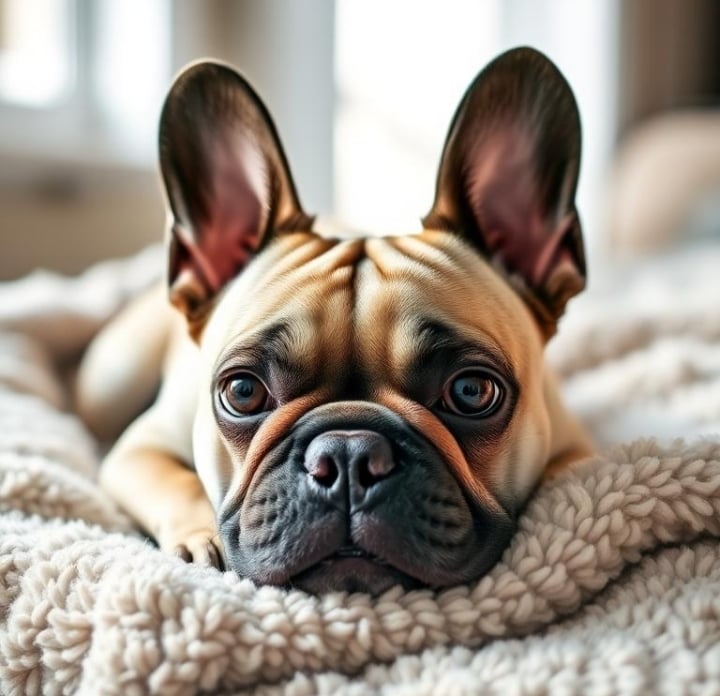
French Bulldogs are loving, playful, and charming companions. Their unique appearance and friendly personalities make them popular among dog lovers around the world. However, caring for a French Bulldog requires special attention to their health, comfort, diet, and daily routine.
Whether you are a first-time owner or already have a Frenchie at home, avoiding common care mistakes can help you provide a happier and healthier life for your furry friend.
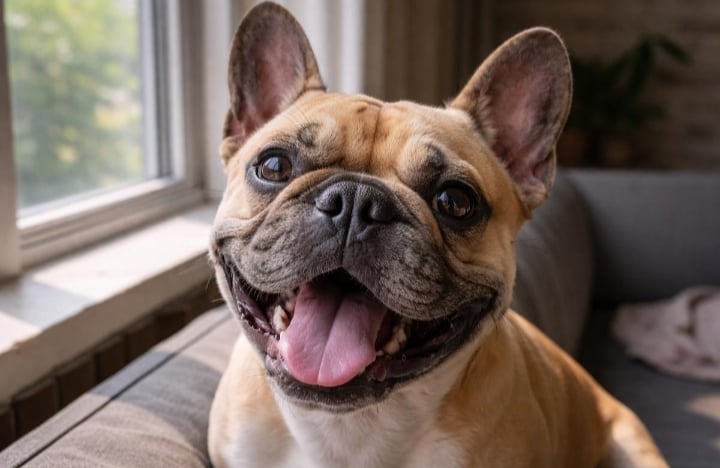
1. Ignoring Their Breathing Difficulties
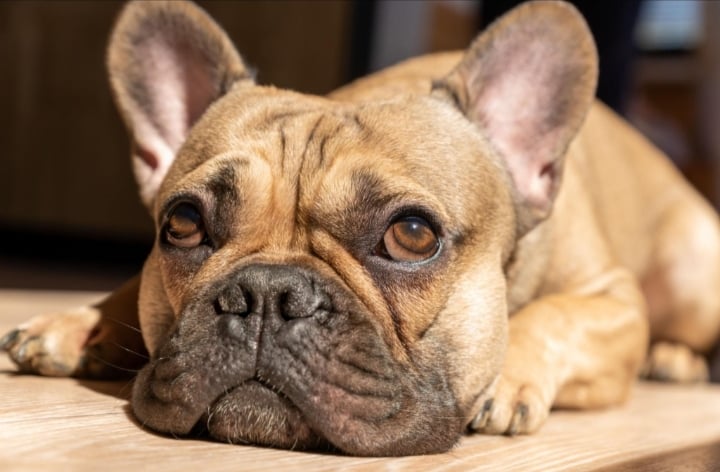
French Bulldogs have short, flat faces, which can make breathing more difficult, especially during hot weather or exercise.
What you should do:
- Avoid intense exercise, particularly in hot or humid weather.
- Keep your dog in a cool, well-ventilated environment.
- Use a harness instead of putting pressure on the neck.
- Contact a veterinarian if your dog struggles to breathe or shows unusual breathing changes.

Severe breathing difficulty requires urgent veterinary attention.
2. Overfeeding Your French Bulldog
French Bulldogs can gain weight easily if they receive too many treats or oversized meals. Extra weight may put additional pressure on their joints and make breathing more difficult.

What you should do:
- Choose balanced, age-appropriate dog food.
- Measure meals instead of feeding randomly.
- Limit excessive treats and table scraps.
- Monitor your dog's weight regularly.
Your veterinarian can help you determine the appropriate food portions for your dog's individual needs.
3. Neglecting Skin Folds and Ear Hygiene
The wrinkles on a French Bulldog's face can trap moisture and debris. If the skin folds remain damp or dirty, irritation and infection may develop.
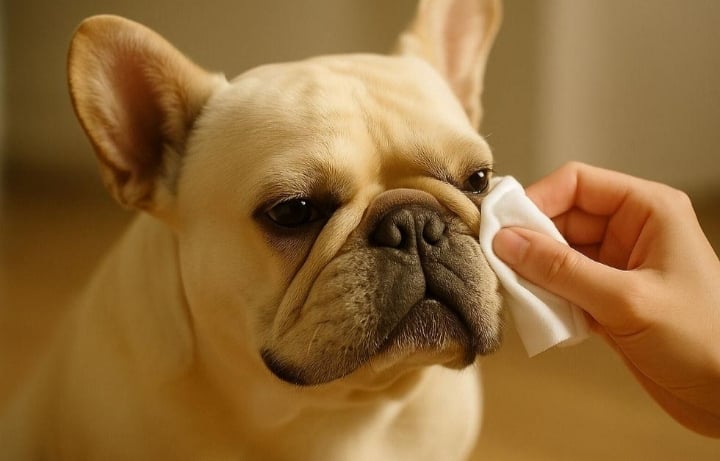
What you should do:
- Gently clean facial folds using a veterinarian-recommended method.
- Dry the folds thoroughly after cleaning.
- Check the ears regularly for redness, odor, or discharge.
- Consult your veterinarian if you notice persistent irritation or an unpleasant smell.
4. Exercising Too Much in Hot Weather
French Bulldogs may struggle to regulate their body temperature because of their short facial structure. Hot and humid conditions can increase their risk of overheating.
What you should do:
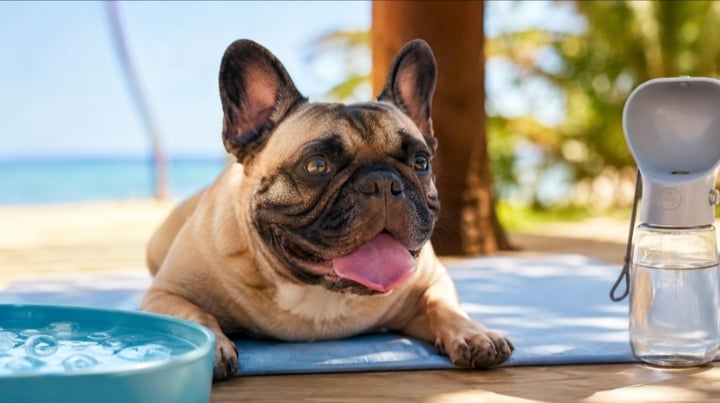
- Schedule walks during cooler parts of the day.
- Keep exercise gentle and appropriate for your dog.
- Provide fresh drinking water and access to shade.
- Never leave your French Bulldog alone in a parked car.
Heavy panting, excessive drooling, weakness, vomiting, or collapse can indicate heatstroke. Seek emergency veterinary care if these signs occur.
5. Skipping Regular Veterinary Checkups
Even when your French Bulldog appears healthy, routine veterinary visits are important. Some health concerns may develop gradually without obvious early signs.
What you should do:
- Keep vaccinations and parasite prevention up to date.
- Ask your veterinarian about dental care and healthy weight management.
- Discuss breathing, skin, eye, joint, and digestive concerns.
- Arrange checkups appropriate to your dog's age and health needs.
Preventive care can help identify potential problems early and support your dog's long-term well-being.

Bonus Tip: Give Your Frenchie Love, Patience, and Consistency
French Bulldogs thrive with a consistent routine, positive reinforcement, gentle play, and plenty of companionship. Provide a comfortable sleeping area, clean water, suitable food, and safe opportunities for mental stimulation.
Every dog is different, so adjust your care routine to your French Bulldog's individual needs and seek professional veterinary advice whenever necessary.
Want to Learn More About French Bulldog Care?
Taking care of a French Bulldog becomes easier when you understand the breed's special needs.
Our French Bulldog Care guide is designed to help dog owners learn more about everyday care and responsible ownership.
Explore the guide here:
"Get Your French Bulldog Care Guide"
Give your Frenchie the care, attention, and love they deserve!
Disclaimer: This article provides general educational information and does not replace professional veterinary advice.