
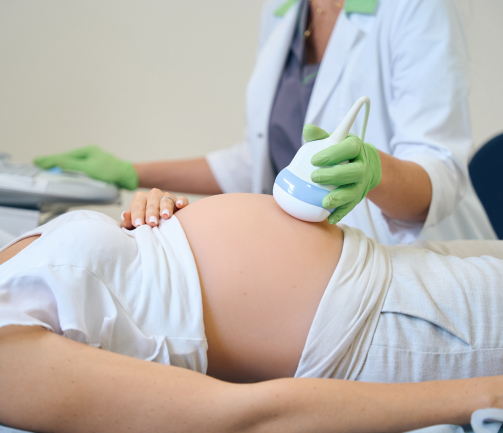
Pregnancy is a significant period that requires regular medical care, monitoring, and attention to the health of both the mother and developing baby. While many pregnancies progress without major complications, some are considered high risk because certain health conditions or pregnancy-related factors may increase the likelihood of complications. High risk pregnancy treatment focuses on identifying potential concerns early, monitoring the pregnancy carefully, and providing appropriate medical care based on the individual circumstances.
A high-risk pregnancy does not necessarily mean that complications will occur. It indicates that additional observation or specialized care may be appropriate.
What Is a High-Risk Pregnancy?
A pregnancy may be classified as high risk when the mother, baby, or both have factors that require closer medical supervision. These factors can exist before pregnancy or develop during pregnancy.
Examples can include certain chronic health conditions, previous pregnancy complications, multiple pregnancy, abnormalities identified during prenatal assessments, or pregnancy-related conditions that require additional monitoring.
The specific level of risk varies from person to person. A healthcare professional assesses individual medical history, test results, pregnancy progression, and other relevant factors before recommending an appropriate care plan.
Importance of Early Assessment
Early and regular prenatal care is an important part of managing pregnancy. During appointments, healthcare professionals can monitor the mother's health and assess the baby's development.
Medical history and existing health conditions may also be reviewed to identify factors that could require additional attention. Early identification of potential concerns can allow healthcare professionals to arrange appropriate investigations, monitoring, or specialist referrals.
Women who have concerns about their pregnancy should discuss them with their obstetrician, doctor, or qualified maternity care provider.
Regular Prenatal Monitoring
Monitoring is an important component of high risk pregnancy treatment. Depending on the circumstances, appointments may be more frequent than those associated with a routine pregnancy.
Healthcare professionals may monitor blood pressure, weight, symptoms, laboratory results, fetal development, and other relevant indicators. Ultrasound examinations and other diagnostic tests may also be recommended when clinically appropriate.
The purpose of monitoring is to identify changes that may require further assessment and to help guide decisions throughout pregnancy.
Managing Existing Health Conditions
Some women enter pregnancy with health conditions that require ongoing management. Conditions affecting areas such as blood pressure, blood sugar, thyroid function, or other aspects of general health may require closer observation during pregnancy.
Treatment plans must be tailored to pregnancy because some medications, procedures, or lifestyle recommendations may need to be reviewed. Healthcare professionals can determine which approaches are appropriate based on the patient's individual circumstances.
Pregnant women should not start, stop, or change prescribed medication without consulting their healthcare provider.
Pregnancy-Related Complications
Certain complications can develop during pregnancy even when the mother was previously healthy. Depending on the situation, these may require additional testing, monitoring, or treatment.
Healthcare professionals may explain warning signs and advise when medical attention should be sought. The appropriate response depends on the specific condition and stage of pregnancy.
Prompt communication with a maternity care provider can be important when new or concerning symptoms occur.
Role of Ultrasound and Diagnostic Testing
Ultrasound examinations can provide valuable information about fetal development, growth, position, and other aspects of pregnancy. In higher-risk pregnancies, additional imaging or diagnostic assessments may be recommended depending on clinical circumstances.
Other tests may also be used to monitor maternal health or assess specific pregnancy concerns. These investigations are selected according to the individual's medical history and the findings identified during prenatal care.
Not every high-risk pregnancy requires the same tests, which is why individualized medical assessment is important.
Working With a Specialist
Some high-risk pregnancies may benefit from care involving an obstetrician or another medical specialist with relevant expertise. Specialist involvement can provide additional assessment and help coordinate care when pregnancy involves complex medical considerations.
A multidisciplinary approach may sometimes be appropriate, particularly when more than one health issue needs to be managed.
The healthcare team can explain the purpose of specialist appointments and how different aspects of care fit together.
Developing an Individualized Care Plan
There is no single treatment plan that applies to every high-risk pregnancy. Care is based on factors such as the mother's health, pregnancy history, gestational age, fetal development, test results, and specific risk factors.
An individualized plan may include additional appointments, diagnostic testing, medication management when necessary, lifestyle guidance, or specialist care.
The plan may also change as the pregnancy progresses. Regular monitoring allows healthcare professionals to respond to new information and adjust care when appropriate.
Importance of Communication
Clear communication between the patient and healthcare team is an important part of pregnancy care. Pregnant women should feel comfortable asking questions about test results, medications, symptoms, appointments, and recommended treatments.
Keeping track of scheduled appointments and following medical instructions can also help support continuity of care.
It may be useful to prepare questions before appointments so that important concerns can be discussed with the healthcare provider.
Preparing for Delivery
For some high-risk pregnancies, delivery planning may require additional consideration. The healthcare team may discuss the appropriate timing and location of delivery based on maternal and fetal circumstances.
Planning can also involve identifying the medical professionals who may need to be involved during labour and delivery. The approach depends entirely on the individual's condition and should be determined by the treating medical team.
Emotional Support During High-Risk Pregnancy
Being told that a pregnancy is high risk can create uncertainty or anxiety. Emotional well-being is therefore another important consideration. Pregnant women may benefit from talking openly with their healthcare providers, partners, family members, or qualified mental health professionals when they feel overwhelmed.
Reliable medical information can also help patients understand their care plan and avoid unnecessary worry caused by misinformation.
When to Seek Medical Advice
Women experiencing concerning or unusual symptoms should contact their maternity care provider for guidance. Certain symptoms may require urgent medical assessment, particularly when they are sudden, severe, or significantly different from what the person has previously experienced.
Because the appropriate response depends on individual circumstances, professional medical advice is preferable to relying on general online information.
Conclusion
High risk pregnancy treatment involves individualized care designed to identify and manage potential concerns throughout pregnancy. Regular prenatal monitoring, appropriate diagnostic testing, management of existing health conditions, specialist involvement, and clear communication can all form part of a high-risk pregnancy care plan.
Being classified as high risk does not automatically mean that a pregnancy will have a poor outcome. With appropriate medical supervision and an individualized approach, healthcare professionals can monitor the pregnancy and respond to changing circumstances. Anyone with concerns about their pregnancy should seek guidance from a qualified healthcare provider who can provide advice based on their specific medical needs.