
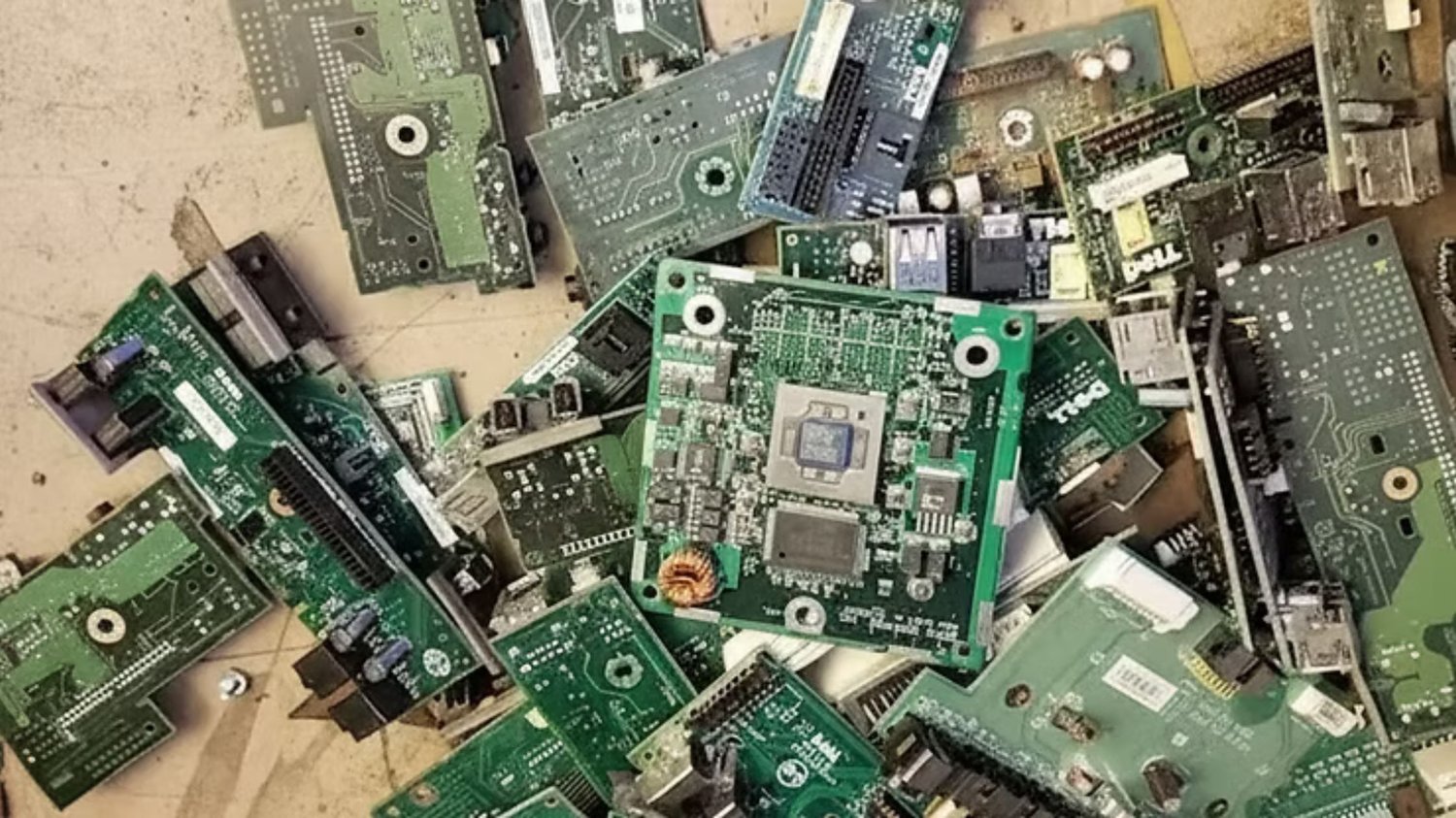
The conversation around electronics recycling in Phoenix has shifted. It used to be framed almost entirely as an environmental question. What happens to the metals, the plastics, the hazardous materials when a device reaches the end of its useful life? That question still matters. But for a growing number of Phoenix-area businesses, the more urgent concern sits on the drive, not in the casing. What happens to the data, and who is accountable if something goes wrong?
The Data Risk That Outlives the Device
Most businesses treat equipment retirement as a logistics problem. The device stops working, or stops being useful, and the goal is to make it disappear cleanly and cheaply. What rarely enters the calculation is the fact that a decommissioned device with a wiped or reformatted drive is not a device with destroyed data. Standard operating system deletion and factory resets remove file references, not files. The underlying data remains recoverable using tools that are widely available and inexpensive.
For organizations subject to HIPAA, FACTA, GLBA, or the FTC Safeguards Rule, this is not a theoretical exposure. It is a documented source of regulatory violations. The Federal Trade Commission has pursued enforcement actions tied directly to improper disposal of data-bearing equipment. The liability does not transfer to the recycler on handoff. It stays with the organization until the data is provably and documentably destroyed.
Phoenix, AZ Electronics Recycling: Where Accountability Varies Most
The Phoenix metro market for electronics recycling is active but uneven. Providers range from fully accountable operations with DOD-standard data destruction protocols, domestic processing chains, and per-device Certificates of Data Destruction, to drop-off services where the downstream fate of equipment is unspecified and undocumented. The market does not sort these providers visibly. A professional-looking website and a free pickup offer look the same whether the backend is rigorous or opaque.
Three questions consistently separate credible providers from convenient ones. First, what data destruction standard do you apply, and how is it documented per device? Second, is all processing handled domestically? Third, can you confirm zero-landfill handling across every material category, including components that are expensive to recycle? Providers who answer these questions clearly and in advance are the ones worth engaging. Providers who deflect, generalize, or promise to follow up are answering the question as well, just less directly.
The Operational Case for Getting This Right
Beyond compliance, there is an operational argument for treating electronics recycling seriously. Organizations that establish documented, repeatable disposal processes reduce audit exposure, simplify IT asset management, and eliminate the background liability of retired devices sitting in storage. The cost of doing this correctly is low. The cost of discovering it was done incorrectly, after a breach or a compliance review, is not.
Responsible electronics recycling in Phoenix is not a premium service category. It is a baseline operational standard that more businesses are recognizing as non-optional. The providers that deliver it consistently, with documentation and accountability built into the process, are the ones defining what the market should expect.
As ESG reporting frameworks expand and federal data protection standards continue to tighten, the gap between organizations with documented disposal practices and those without will become more visible. Agape Computer and Electronics Recycling provides electronics recycling in Phoenix that meets a genuine accountability standard, making it not just an environmental decision but a business continuity decision—one that rewards attention now rather than after something has already gone wrong.