

Fuel is the engine of progress. It powers our cars, heats our homes, generates electricity, and runs the industries that shape the modern world. But not all fuel is the same. Different types of fuel serve different purposes, each with its characteristics, advantages, and environmental impact. As the world transitions toward cleaner energy, understanding fuel types is more important than ever.
Let’s break down the main categories of fuel: solid, liquid, gaseous, and alternative/renewable fuels.
🔥 Solid Fuels: Ancient, Reliable, but Polluting
Solid fuels are some of the oldest sources of energy used by humans. They are typically easy to store and transport, but they often produce more pollution compared to other types.
- Wood: One of the first fuels used by humans, wood is still widely used in rural areas for cooking and heating. It’s renewable if harvested sustainably, but can lead to deforestation and air pollution when mismanaged.
- Coal: Once the backbone of industrial development, coal remains a major energy source in many countries. It’s energy-dense and abundant but produces high levels of carbon dioxide, sulfur dioxide, and particulates, making it a top contributor to climate change.
- Biomass: Includes organic materials like crop residues, dung, and wood waste. Biomass can be a renewable and carbon-neutral option when used sustainably, especially in bioenergy production.
⛽ Liquid Fuels: Powering Transportation and Machines
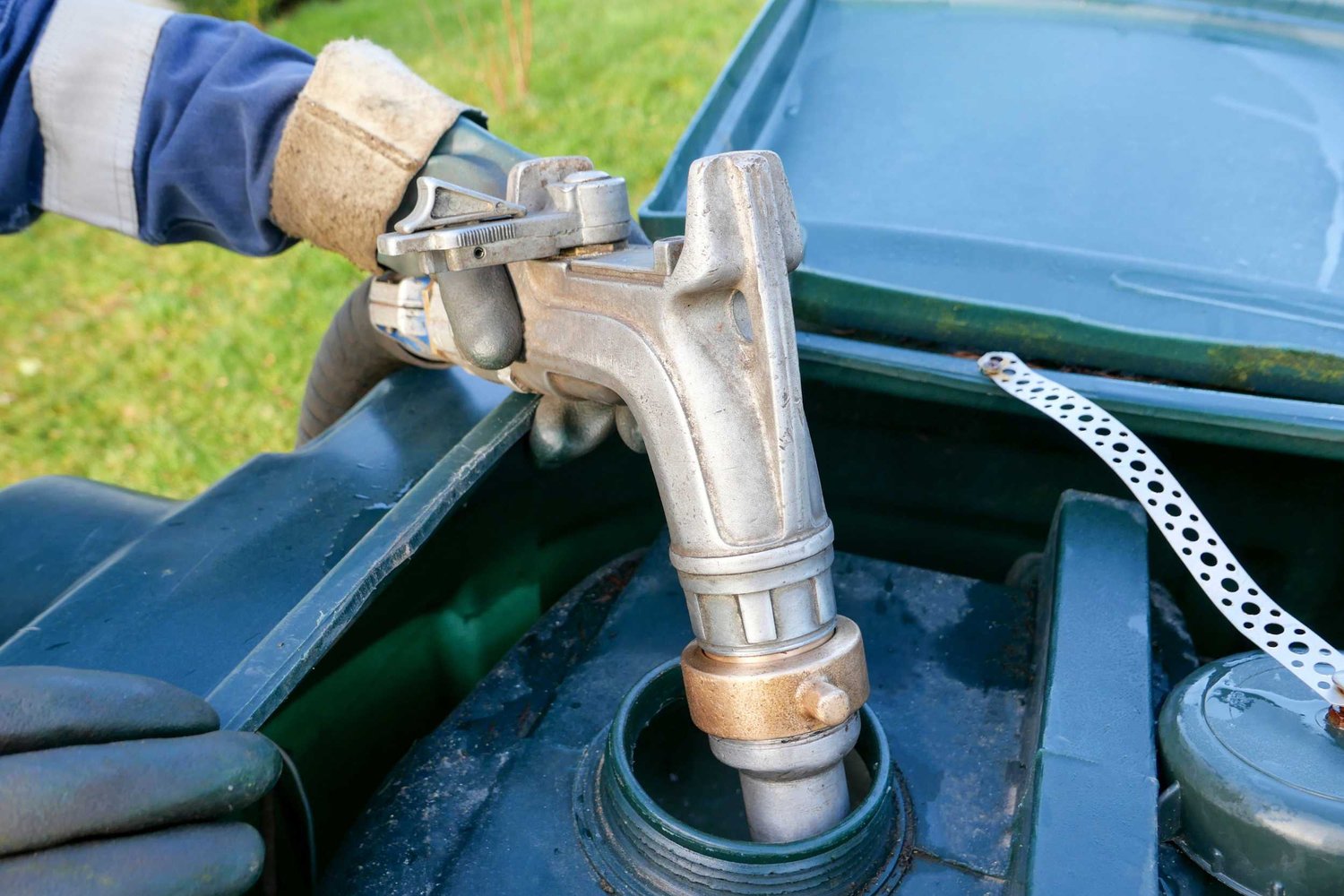
Liquid fuels are the most commonly used in transportation due to their high energy density and ease of handling.
- Petrol (Gasoline): Used in cars and motorcycles, petrol is efficient but emits greenhouse gases and contributes to urban air pollution.
- Diesel: Known for higher efficiency and energy content than petrol, diesel is used in trucks, buses, and generators. However, it emits more nitrogen oxides and particulate matter.
- Kerosene: Commonly used for heating, cooking, and aviation. It’s more refined than diesel and petrol but still a fossil fuel.
- Biofuels: Produced from renewable resources like sugarcane, corn, or vegetable oils. Ethanol and biodiesel can be blended with traditional fuels to reduce emissions and reliance on fossil fuels.
💨 Gaseous Fuels: Cleaner Combustion, Greater Efficiency
Gaseous fuels tend to burn more cleanly and are used for heating, cooking, and generating electricity.
- Natural Gas: Made mostly of methane, it produces fewer emissions than coal or oil but still contributes to climate change if leaked during production or transport.
- Liquefied Petroleum Gas (LPG): A mix of propane and butane, LPG is popular for domestic cooking and heating in areas without gas pipelines.
- Hydrogen: Often called the “fuel of the future,” hydrogen emits only water when used in fuel cells. It’s clean but currently expensive to produce and store.
⚡ Alternative & Renewable Fuels: Greener Options for Tomorrow
As the world shifts toward sustainability, cleaner fuels are gaining ground.
- Electricity: When generated from renewables like wind, solar, or hydro, it becomes a zero-emission power source for homes and electric vehicles.
- Solar and Wind Energy: These aren’t fuels in the traditional sense but play a key role in generating clean electricity.
- Synthetic Fuels: Created from captured CO₂ and hydrogen, synthetic fuels are promising for aviation and heavy transport.
Conclusion
From solid wood to clean hydrogen, fuel types are diverse and constantly evolving. While fossil fuels still dominate, the rise of renewable and alternative options signals a shift toward a cleaner, more sustainable energy future. By understanding these fuel types, we can make smarter choices for ourselves—and for the planet.