
February 2026. Another cold snap grips the countryside. Tractors cough into life before first light on Lincolnshire prairies, telehandlers shift frozen bales in Welsh valleys, generators hum steadily in Scottish livestock sheds. The routine is unchanged, yet more farmers are quietly making one significant change inside the tank. Agricultural oil suppliers across the UK report that inquiries about Hydrotreated Vegetable Oil now outnumber every other fuel question. HVO Fuel Suppliers UK are responding to this surge because HVO – a renewable diesel refined from waste cooking oils, animal fats and certified residues – delivers up to 90% lower net lifecycle CO₂ emissions, starts more crisply in sub-zero temperatures, burns with dramatically less smoke and soot, and requires zero modifications to any existing tractor, combine, sprayer, loader, generator or bulk storage system.
The Daily Realities Driving the HVO Conversation
British farming never pauses for fuel uncertainty. A three-day harvest window can vanish in one downpour; a generator failure during a blackout can spoil high-value chilled produce; a livestock shed that loses heat overnight can turn profit into veterinary expense. Agricultural oil suppliers have long built their reputations on eliminating these risks: nationwide depot coverage, tankers equipped for narrow lanes and sudden snow, 24–48-hour standard delivery with genuine emergency and weekend service during peak periods, telemetry that prevents dry tanks, seasonal forecasting linked to weather models, bund-compliant tank advice, and invoicing aligned with subsidy and livestock payment cycles. That same trusted rural supply chain now carries HVO with identical speed and reliability – the cleaner fuel arrives exactly when the farm needs it.
The Clean Process That Makes HVO So Seamless
HVO starts with sustainable waste feedstocks already in circulation: used cooking oils collected from restaurants and food processors, animal fats from approved rendering, and non-food residues screened to avoid any indirect land-use change. These materials undergo hydrotreatment – high-pressure, high-temperature reaction with hydrogen and catalysts – which removes oxygen, saturates bonds and eliminates impurities. The result is a clear, high-cetane, paraffin-rich diesel that meets EN 15940 and is chemically interchangeable with fossil diesel. No engine remapping. No fuel-line retrofits. No seal or injector changes. No additives. No warranty risks. Full approvals exist across current and recent ranges from John Deere, CLAAS, New Holland, Fendt, Case IH, Massey Ferguson, Kubota, JCB and most other brands. HVO Fuel Suppliers UK supply only product certified under ISCC-EU, RFAS or RED II-equivalent schemes, providing batch traceability and documentation that stands up to retailer audits, Scope 1 reporting and grant applications.
Performance That Matches – and Often Beats – UK Conditions
UK farms throw fuel into extremes: overnight lows to -18 °C on exposed moorland, condensation-heavy tanks during weeks of rain, extended low-load idling during precision spraying, heavy pulling through saturated clay or steep gradients. HVO thrives here. Its cetane number – typically 75–85 – produces near-instant, clean ignition from cold, eliminating white smoke, reducing engine clatter and delivering smoother torque. Cold-flow performance keeps it liquid and pumpable well below -30 °C in most grades, completely removing the gelling and blockage issues that have long affected FAME biodiesel. The ultra-clean combustion generates far lower particulates, NOx and soot, leading to clearer exhaust, slower carbon buildup in DPFs, EGR systems and injectors, and extended service intervals. Farmers frequently report quieter operation, fewer filter changes, cleaner oil samples and the clear sense that the engine “pulls easier” – advantages that compound during long harvest shifts or winter feeding rounds.
The Full Cost Picture – Where Savings Really Appear
HVO trades at a 15–25 pence per litre premium over gas oil in early 2026, depending on volume, contract terms and regional supply. Yet the total ownership calculation often turns positive within one to two seasons. Cleaner combustion reduces annual spend on filters, injectors, pumps and after-treatment components – savings of 20–35% on maintenance are commonly reported. The high cetane and efficient burn can deliver small but repeatable efficiency gains under part-load conditions typical of UK fieldwork. Deferred replacement of expensive parts frees capital. Most importantly, the 85–90% net CO₂ reduction provides verifiable proof that strengthens Sustainable Farming Incentive applications, improves Red Tractor / LEAF Marque credentials, and directly unlocks premium payments from supermarkets, processors and manufacturers enforcing low-emission supply chains. HVO Fuel Suppliers UK make these benefits accessible with carbon calculators, detailed lifecycle reports, phased trial programmes and fixed-price forward contracts to manage volatility.
The HVO Fuel Suppliers UK Farmers Are Choosing Right Now
A competitive group of HVO Fuel Suppliers UK serves agriculture with genuine rural expertise and nationwide reach. Crown Oil is consistently praised for rigorous traceability and transition guidance; Compass Fuels for rapid rural response and farmer-first service; Speedy Fuels and Beesley Fuels for harvest-critical speed; Certas Energy for extensive depot coverage; Moorland Fuels for decades of agricultural insight; Watson Fuels, Rix Petroleum and Nationwide Fuels for flexible volumes and dependable logistics. These suppliers routinely provide free tank compatibility checks, carbon-documentation packs, 24–48-hour delivery standards and account managers who understand the difference between a narrow weather window and a sudden cold snap.
The Answer Most Farmers Are Reaching
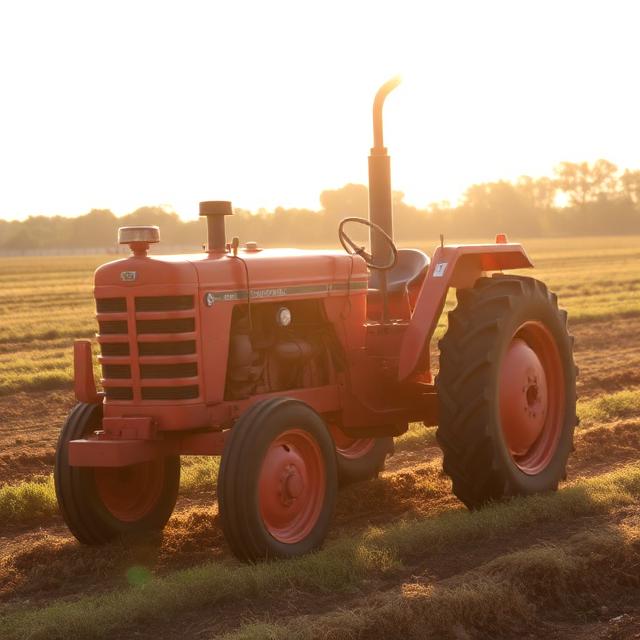
The question “is HVO worth it?” is being answered affirmatively on more UK farms every week in 2026. HVO Fuel Suppliers UK are delivering a fuel that dramatically reduces emissions, protects machinery, strengthens grant and premium eligibility, and – when viewed across a full operating year – frequently lowers the real cost of keeping the farm running. On a biting February morning, when the engine catches cleanly on the first turn, the exhaust runs clear and the realisation settles in that the tank holds fuel aligned with both today’s margins and tomorrow’s land, the switch stops feeling like an extra cost and starts feeling like the smartest decision the farm can make.