

The United Kingdom is navigating a major energy transition as it works to meet net-zero emissions by 2050. A wide range of fuels are used to power homes, vehicles, and industries, each playing a role in the country’s evolving energy landscape. From traditional fossil fuels to cleaner, renewable sources, here are the key types of fuel used across the UK today.
Petrol and Diesel
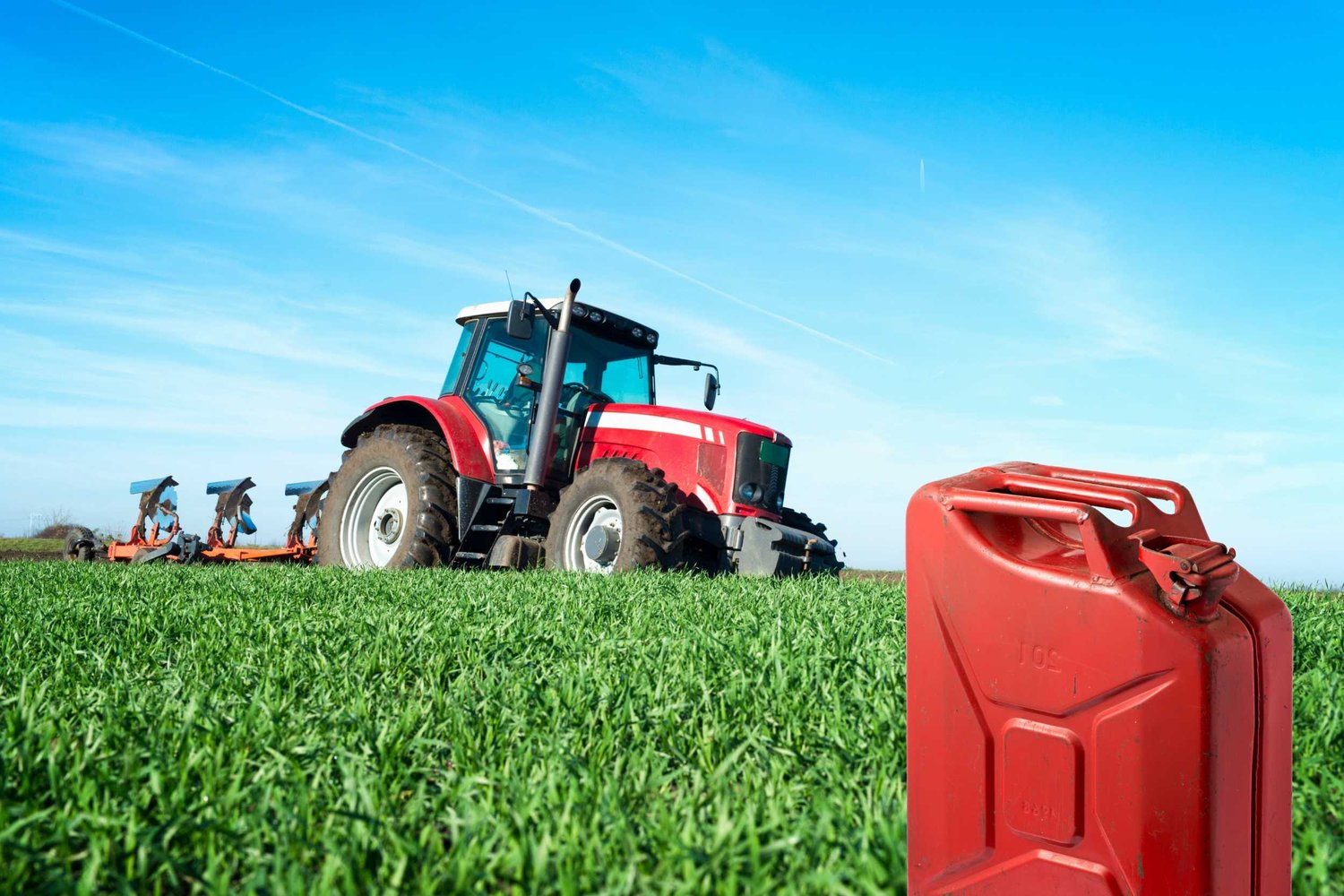
Petrol and diesel have long been the dominant fuels for transport in the UK. Petrol is mostly used in cars, while diesel powers heavier vehicles like buses, trucks, and vans. These fuels are widely available and supported by an extensive infrastructure. However, they are fossil fuels that emit significant carbon dioxide and contribute to climate change. The UK government has committed to banning the sale of new petrol and diesel cars by 2035 in favour of cleaner alternatives.
Electricity
Electricity is playing an increasingly important role in the UK’s energy mix. It powers homes, public transport, and the growing number of electric vehicles (EVs) on the road. The UK’s electricity is generated from a mix of energy sources, including renewables like wind, solar, and hydro, as well as nuclear and natural gas. As more of the grid is powered by low-carbon sources, electricity is becoming one of the cleanest fuel options available.
Natural Gas
Natural gas is the main source of energy for heating and cooking in UK homes, with around 85% of households connected to the gas grid. It is also used in power generation and industry. While cleaner than coal, natural gas is still a fossil fuel that contributes to greenhouse gas emissions. The UK is exploring the use of hydrogen and biomethane as potential greener alternatives for the existing gas network.
Liquefied Petroleum Gas (LPG)
LPG is a mixture of propane and butane commonly used in rural areas that are not connected to the mains gas grid. It is used for heating, cooking, and sometimes fuelling vehicles. LPG burns cleaner than coal and oil but is still derived from fossil fuels. It offers a flexible energy solution for off-grid households and businesses, especially as cleaner technologies continue to expand.
Biofuels
Biofuels are renewable fuels made from plant materials, waste oils, and organic waste. In the UK, bioethanol is blended with petrol (as in E10 fuel), and biodiesel is mixed with standard diesel to reduce emissions. Biogas can also be purified into biomethane for use in heating or transport. Biofuels are a growing part of the UK’s strategy to reduce dependence on fossil fuels and lower its carbon footprint.
Coal
Coal once powered the UK’s industrial revolution, but its use has declined sharply in recent years due to its high carbon emissions. Most coal-fired power stations have been closed, and coal is now only used in limited industrial processes or emergency energy situations. The UK is on track to eliminate coal power entirely in the near future.
Conclusion
The UK’s fuel landscape is diverse and changing rapidly. While fossil fuels still play a role, cleaner sources like electricity, biofuels, and hydrogen are paving the way for a more sustainable future. Understanding these fuel types helps highlight the country’s progress toward greener energy and climate goals.