
Child custody situations can be emotionally overwhelming—especially when visitation becomes restricted. If you’ve been told visits must be supervised, or you’re trying to understand what that means for your family, you’re not alone. In areas like San Fernando Valley, supervised visitation is a structured solution designed to protect children while maintaining parent-child relationships.
This guide explains how supervised visitation works, when it’s required, and how to navigate the process with clarity and confidence.
What Is Supervised Visitation?
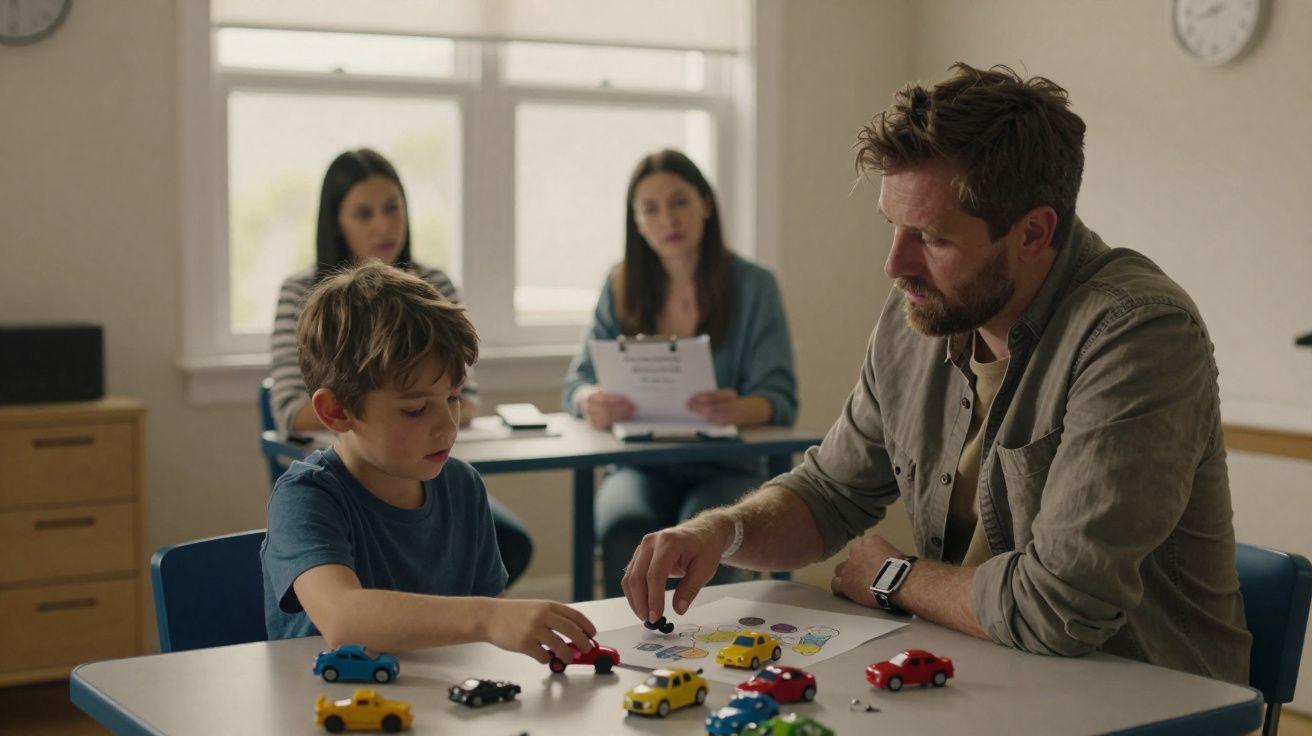
Supervised visitation allows a parent to spend time with their child in the presence of a neutral third party. This supervisor may be:
- A trained professional
- A staff member at a visitation center
- A court-approved individual
The goal is not to punish a parent, but to ensure the child’s safety and well-being during visits.
Why Courts Order Supervised Visitation
Courts typically order supervised visitation when there are concerns about a child’s safety or emotional health. These concerns may include:
- Allegations of abuse or neglect
- Substance abuse issues
- Domestic conflict or high-conflict custody cases
- Long gaps in the parent-child relationship
- Mental health concerns
In these situations, supervised visitation provides a controlled environment where the child can interact with the parent safely.
How Supervised Visitation Works in San Fernando Valley
In the San Fernando Valley, supervised visitation usually follows guidelines set by the court or agreed upon by both parties.
Key Components:
1. Scheduled Visits
Visits are arranged at specific times and locations, often at a supervised visitation center.
2. Presence of a Supervisor
The supervisor observes interactions and ensures that all rules are followed.
3. Structured Environment
Visits may take place in child-friendly settings with activities designed to encourage positive interaction.
4. Documentation
In some cases, supervisors may provide reports to the court about how visits are going.
Types of Supervised Visitation
Not all supervised visits are the same. Depending on the situation, the court may allow:
Professional Supervision
Conducted at licensed centers with trained staff. This is the most structured and widely accepted form.
Non-Professional Supervision
A trusted friend or family member approved by the court supervises the visit.
Therapeutic Supervision
Involves a mental health professional who helps guide interactions, often used in complex emotional situations.
What to Expect During a Visit
If you’re preparing for supervised visitation, knowing what to expect can reduce anxiety.
- Arrive on time and follow all guidelines
- Focus on your child and engage positively
- Avoid discussing legal matters during the visit
- Respect the supervisor’s instructions
Supervisors are there to observe and ensure safety, not to interfere unnecessarily.
How to Prepare for Supervised Visitation
Preparation can make a big difference in how visits go.
✔ Be Consistent
Regular attendance shows commitment and reliability.
✔ Stay Child-Focused
Bring age-appropriate activities like books or games.
✔ Follow Court Orders Strictly
Any violation can affect future custody decisions.
✔ Communicate Respectfully
Maintain a calm and positive attitude throughout the visit.
Can Supervised Visitation Become Unsupervised?
Yes, in many cases it can.
Supervised visitation is often temporary and may be modified if:
- The parent demonstrates responsible behavior
- Safety concerns are resolved
- Positive interaction with the child is consistently observed
Courts prioritize the child’s best interests, so progress matters.
Common Challenges Parents Face
Supervised visitation can feel limiting, and many parents struggle with:
- Feeling judged or monitored
- Limited privacy during visits
- Emotional stress or frustration
- Scheduling difficulties
While these challenges are real, it’s important to see supervised visitation as an opportunity to rebuild trust and strengthen your relationship with your child.
Choosing the Right Supervised Visitation Service
If you’re looking for supervised visitation services in San Fernando Valley, consider:
- Court approval or certification
- Experience and training of supervisors
- Safe and child-friendly environment
- Clear policies and communication
A reliable service provider can make the process smoother and more comfortable for both parent and child.
Tips to Improve Your Visitation Experience
- Focus on quality time rather than duration
- Be patient and consistent
- Avoid conflict with the other parent
- Show progress and willingness to cooperate
Small, positive steps can lead to meaningful changes over time.
Final Thoughts
Facing custody challenges is never easy, but supervised visitation offers a path forward. It allows parents to stay connected with their children while addressing concerns in a safe and structured way.
If you’re navigating supervised visitation in the San Fernando Valley, remember that this process is designed to support both you and your child. With the right approach, it can become a stepping stone toward stronger relationships and more flexible visitation arrangements in the future.