
Men’s health conversations in Australia are evolving. From preventative screenings to hormone health and chronic disease management, more men are actively engaging in informed medical discussions. In this context, understanding the basics of commonly used sterile solutions including Bacteriostatic Sodium Chloride can help patients ask better questions and participate more confidently in their care.
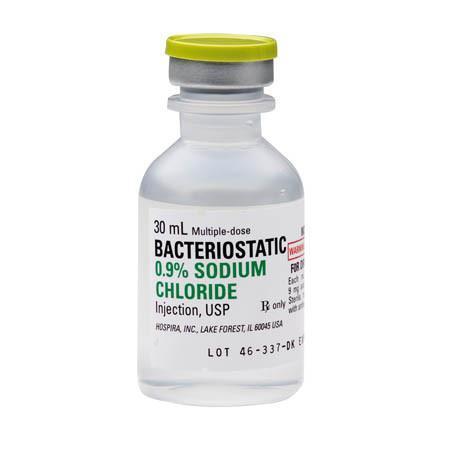
This educational guide explores what bacteriostatic sodium chloride is, how it is used in clinical settings, why sterility matters, and what Australian men should know in 2026.
Understanding Bacteriostatic Sodium Chloride
Bacteriostatic sodium chloride is a sterile saline solution that contains a small amount of preservative, usually benzyl alcohol. The term “bacteriostatic” refers to its ability to inhibit the growth of bacteria. Unlike plain sterile saline, this formulation is designed for specific multi-dose medical applications when clinically appropriate.
It is important to note that bacteriostatic solutions do not kill bacteria outright. Instead, they slow or prevent bacterial growth under controlled medical use.
In clinical practice, sodium chloride solutions are widely used because they are isotonic meaning they have a similar salt concentration to human body fluids. This compatibility helps reduce irritation when used for injection preparation or dilution.
Why Sterile Solutions Matter in Modern Men’s Healthcare
In Australia, chronic conditions such as diabetes, cardiovascular disease, and hormonal imbalances are common among men, particularly over the age of 40. Many treatment plans involve injectable medications that require careful preparation.
Sterile diluents such as bacteriostatic sodium chloride may be used in:
- Reconstitution of medications before injection
- Dilution of certain injectable therapies
- Multi-dose clinical environments under professional supervision
The importance of sterility cannot be overstated. According to guidance from the Therapeutic Goods Administration (TGA), injectable products used in Australia must meet strict sterility and quality standards. Contamination risks can lead to infection, inflammation, or reduced medication effectiveness.
For men managing long-term health conditions, understanding how medications are prepared contributes to safer outcomes.
Bacteriostatic vs. Preservative-Free Saline
A common question in clinical discussions is the difference between bacteriostatic saline and preservative-free sterile saline.
Key Distinctions
Bacteriostatic Sodium Chloride
- Contains a preservative (often benzyl alcohol)
- May be suitable for multi-dose use under professional guidance
- Designed to reduce bacterial growth between uses
Preservative-Free Sterile Saline
- Contains no antimicrobial preservative
- Typically intended for single-use applications
- Must be discarded after opening
Each has specific medical indications. Healthcare providers decide which is appropriate based on patient needs, treatment protocols, and safety guidelines.
Reconstitution in Clinical Practice
Some injectable medications are supplied as powders. Before administration, they must be dissolved in a sterile liquid. This process is known as reconstitution.
In certain cases, bacteriostatic saline or sterile water products may be used for this purpose. For example, some clinics use 30ml bacteriostatic water for injection when preparing specific therapies that require repeated access under controlled conditions.
However, the choice of diluent depends entirely on the medication’s prescribing information and professional clinical judgement.
Men’s Health Trends in Australia (2026 Outlook)
Australian men are increasingly focusing on:
- Testosterone and hormonal health
- Preventative cardiovascular care
- Metabolic health optimisation
- Weight management under medical supervision
- Chronic disease management
As injectable therapies become more common in some of these areas, understanding sterile preparation methods becomes more relevant.
The Australian Institute of Health and Welfare reports that men are statistically less likely to seek early medical advice compared to women. Increasing health literacy including knowledge about medication safety can help bridge this gap.
When patients understand how medications are prepared and administered, they are better equipped to discuss safety considerations with healthcare providers.
Safety Considerations
While bacteriostatic sodium chloride is widely used in healthcare settings, safety depends on proper handling and adherence to guidelines.
Important considerations include:
- Use only under qualified medical supervision
- Follow sterile technique protocols
- Check expiration dates carefully
- Inspect for discoloration or particulate matter
- Discard according to manufacturer instructions
Certain populations such as newborns should not receive products containing benzyl alcohol unless specifically indicated, due to safety concerns.
Men managing complex medical conditions should always consult their doctor or pharmacist before making any decisions related to injectable treatments.
Why Quality Standards Matter
Australia maintains rigorous pharmaceutical standards. Products intended for injection must comply with regulations monitored by the Therapeutic Goods Administration.
Quality assurance typically involves:
- Sterility testing
- Stability testing
- Manufacturing compliance
- Batch traceability
These safeguards exist to protect patients and maintain trust in the healthcare system.
For readers wanting a broader educational overview of sterile water and bacteriostatic solutions, resources such as Bacteriostatic Water Australia (https://www.bacteriostaticwateraustralia.com.au/) provide general information about sterile preparation practices in Australia.
The Role of Benzyl Alcohol
The preservative in many bacteriostatic formulations is benzyl alcohol. Its function is to limit bacterial growth within the vial after initial puncture.
However, preservative-containing products are not universally appropriate for every clinical situation. Some medications specifically require preservative-free diluents. This is why healthcare providers always refer to official prescribing information before selecting a solution.
Understanding this distinction helps patients avoid assumptions about interchangeability between products.
Infection Prevention and Clinical Hygiene
Infection prevention remains a central pillar of Australian healthcare. Proper injection practices include:
- Hand hygiene
- Alcohol swabbing of vial stoppers
- Use of sterile syringes and needles
- Safe sharps disposal
For men undergoing treatments that involve repeated injections such as hormone therapy or metabolic management consistent hygiene practices are critical.
Even with bacteriostatic properties, no solution replaces strict sterile technique.
Common Questions Men Ask About Injectable Solutions
Q1. Is bacteriostatic saline safer than regular saline?
Not necessarily. Each type has specific medical uses. Safety depends on appropriate selection and proper handling.
Q2. Can it be reused?
Multi-dose use may be permitted in certain clinical settings, but only according to professional guidelines and product labeling.
Q3. Does it prevent all infections?
No. It slows bacterial growth but does not eliminate the need for sterile technique.
Q4. Is it the same as bacteriostatic water?
No. One contains sodium chloride (salt), while the other is sterile water with a preservative. They serve different roles depending on the medication being prepared.
Health Literacy and Empowered Conversations
In 2026, one of the strongest trends in Australian healthcare is patient empowerment. Men are increasingly encouraged to:
- Ask how medications are prepared
- Confirm storage requirements
- Understand potential side effects
- Review official guidelines
Having a working understanding of terms like “bacteriostatic,” “preservative-free,” and “reconstitution” can make clinical discussions clearer and more productive.
Health literacy does not mean self-medicating or bypassing medical advice. Instead, it means becoming an informed participant in your healthcare journey.
Broader Context: Preventative Men’s Health
While bacteriostatic sodium chloride plays a technical role in clinical care, it sits within a larger framework of men’s wellness.
Australian health authorities continue to emphasise:
- Regular GP check-ups
- Blood pressure monitoring
- Diabetes screening
- Mental health awareness
- Physical activity and nutrition
Injectable treatments are only one aspect of care. A balanced approach that includes preventative strategies remains foundational.
Looking Ahead: 2026 and Beyond
Medical safety standards continue to evolve. Ongoing research into sterile formulation practices, contamination prevention, and pharmaceutical manufacturing strengthens patient protection.
For Australian men navigating chronic conditions or preventative therapies, understanding the tools used in treatment including bacteriostatic sodium chloride adds another layer of awareness.
Knowledge builds confidence. Confidence supports better healthcare engagement. And better engagement leads to improved outcomes.
Final Thoughts
Bacteriostatic Sodium Chloride is a specialised sterile saline solution designed to inhibit bacterial growth in certain controlled medical settings. It differs from preservative-free saline and sterile water in composition and clinical use.
For Australian men, staying informed about how injectable medications are prepared can enhance safety discussions with healthcare professionals. While the science behind sterile solutions may seem technical, the core message is simple: proper preparation, strict hygiene, and professional guidance are essential.
Understanding these fundamentals supports smarter health decisions today and in the years ahead.
Disclaimer
This article is for general educational purposes only and does not constitute medical advice. Always consult a qualified healthcare professional regarding diagnosis, treatment, or medication preparation.