
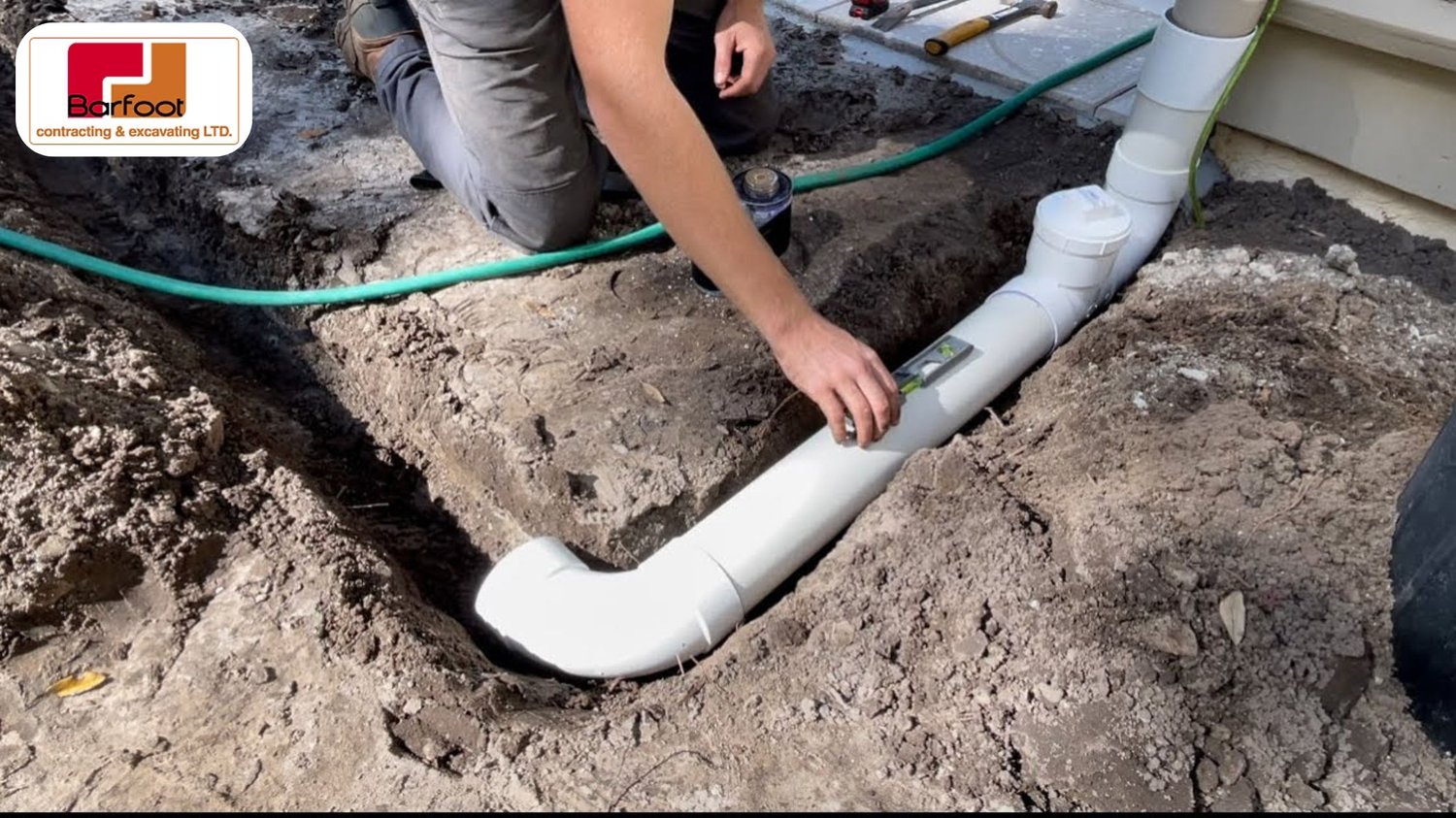
Heavy rain can create big problems for any property. Water can collect in low spots, wash away soil, damage lawns, and make driveways difficult to use. Sometimes, it can even affect nearby structures. That is why advanced drainage systems are so important. They help control water before it causes trouble and keep properties in better shape during and after storms.
Have you ever wondered why some properties stay dry while others end up with large puddles after every rainfall? The answer often comes down to proper drainage planning. Let us look at how modern drainage solutions handle heavy rainfall and why they matter.
Why Heavy Rain Creates Problems
Rainwater needs somewhere to go. When the ground cannot absorb water fast enough, it starts to build up on the surface.
As a result, water may pool in certain areas. Over time, this can soften the soil, damage grass, and create muddy conditions. In addition, moving water can wash away soil and leave uneven ground behind.
Many property owners notice the same wet spots after every storm. If that sounds familiar, there is usually an issue with the way water is flowing across the property.
Fortunately, there are practical ways to fix the problem.
Understanding How Water Moves
Before any drainage work begins, it is important to understand how water naturally travels across the land.
Water always moves toward lower ground. Therefore, even small slopes can affect where rainwater ends up. If the land is not shaped properly, water may gather in places where it should not.
This is why contractors carefully study the layout of a property before recommending a solution. Once they know where the water is coming from and where it is going, they can create a plan that works.
A good drainage system does not fight nature. Instead, it works with the natural flow of water.
The Role of Proper Grading
Grading is one of the most important parts of water control. Simply put, grading means shaping the ground so water moves away from problem areas.
For example, if water is collecting near a gravel driveway, the surrounding ground may need to be adjusted. Likewise, if a yard remains wet for days after a storm, grading may help direct water elsewhere. Without proper grading, even a new drainage system may not perform as well as expected.
That is why experienced excavation contractors often start with the land itself. Once the grading is right, water can move more freely and efficiently.
How Modern Drainage Solutions Work
Modern drainage systems use several methods to manage heavy rainfall. Some systems collect water from the surface and guide it away from important areas. Others move water underground through specially installed drainage lines.
In many cases, culverts are also used to help water pass safely beneath driveway entrances. This helps prevent erosion and reduces the chance of water washing out gravel surfaces.
Each part works together to control water flow. Consequently, the property stays safer and drier during periods of heavy rain.
The goal is not to stop water completely. Instead, it is to move water to a place where it can drain safely.
Warning Signs You May Need Better Drainage
Many drainage problems are easy to spot if you know what to look for.
Common Signs of Poor Water Control
- Large puddles that stay for days
- Soft, muddy ground after rain
- Soil washing away on slopes
- Water gathering near buildings
- Gravel being pushed away by runoff
- Areas where grass struggles to grow
- Wet spots that never seem to dry
If you notice several of these signs, it may be time to have the property evaluated. The sooner drainage issues are addressed, the easier they are usually to fix.
Why Land Clearing Can Help
People often think drainage is only about pipes and ditches. However, the condition of the land also plays a big role.
Overgrown brush, unwanted trees, and old stumps can affect how water moves across a property. They may block natural drainage paths or make grading work more difficult.
In some situations, a professional stump remover may be needed before drainage improvements can begin. Once obstacles are removed, it becomes easier to shape the land and improve water flow.
As a bonus, cleared land is often easier to maintain and use throughout the year.
Why Quick Fixes Often Fail
When water problems appear, many people look for a fast solution. While that is understandable, quick fixes rarely solve the real issue.
For example, adding extra gravel to a wet area may seem helpful at first. However, if water continues flowing into that area, the problem will likely return. Instead, it is important to find out why water is collecting there in the first place.
A proper drainage plan looks at the entire property. It considers the slope of the land, the amount of water involved, and the best route for drainage. Because of this, long-term solutions tend to work much better than temporary repairs.
Benefits of Good Drainage
A well-designed drainage system does more than move water away.
First, it helps protect the land from erosion. It also keeps outdoor spaces more usable after storms.
In addition, proper drainage can reduce maintenance needs and help preserve the condition of gravel driveways and landscaped areas.
Property owners often find that their land stays cleaner, drier, and easier to manage throughout the year.
Most importantly, they gain confidence knowing their property is better prepared when heavy rain arrives.
Final Remarks
Heavy rainfall is something every property owner must deal with at some point. However, water problems do not have to become long-term headaches. With the right planning, grading, and drainage solutions, rainwater can be managed safely and effectively.
For more than 24 years, Barfoot Contracting has helped property owners improve their land through excavation, lot clearing, grading, drainage work, and site preparation. By focusing on practical solutions and careful planning, the company continues to help create properties that perform better in all kinds of weather. Their experience shows that good drainage is not just about moving water. It is about protecting the value, function, and long-term health of the land.