
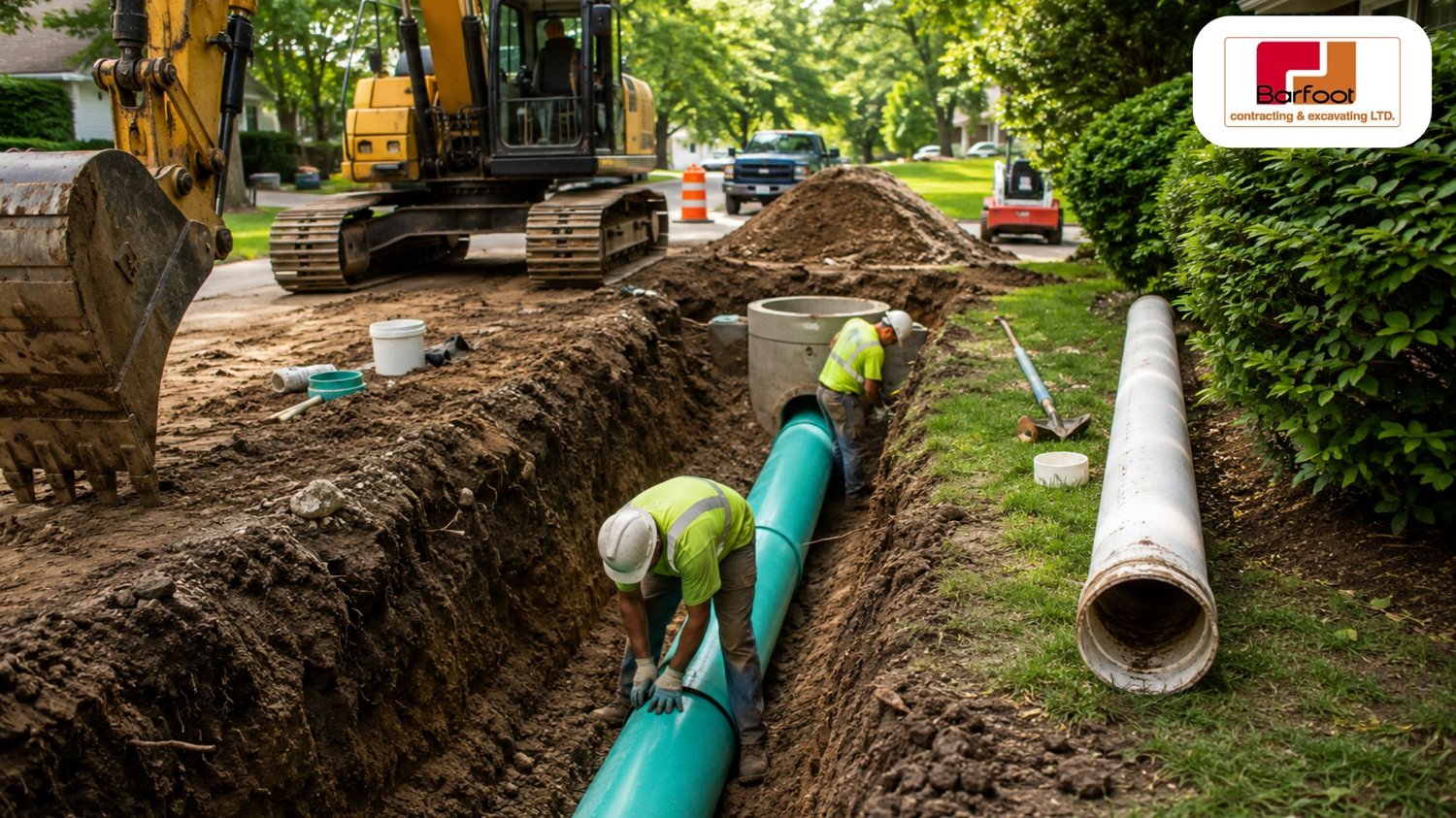
Most people never think about their sewage system. It sits underground and does its job every day without getting much attention. That usually changes when drains start backing up, bad smells appear around the yard, or water refuses to flow the way it should. At first, a repair may solve the problem. However, when the same issue keeps coming back, sewage system replacements often become the better choice. While replacing an underground system sounds like a big project, the work follows a clear plan. Once you know what happens at each stage, the whole process becomes much easier to understand.
How Do You Know It Is Time for a Replacement?
Many people wonder if they really need a new system or if another repair will do the job. The answer depends on what is happening underground.
For example, one blocked pipe does not always mean the entire system needs to be replaced. On the other hand, repeated problems usually point to something bigger. Old pipes can crack as they age. Tree roots can grow into small openings and block the flow. Shifting soil can also move pipes out of place. Over time, these problems become harder and more expensive to repair.
That is why a good contractor never jumps to conclusions. Instead, they inspect the system first. Once they know what caused the problem, they can recommend the right solution.
The First Visit Is All About Learning About the Property
Many homeowners expect heavy equipment to arrive on the first day. In reality, the project starts with a site visit.
The contractor walks around the property and looks at the layout of the land. They check where the current system sits and look for underground utility lines. They also study the ground because soil conditions can affect how the new system is installed.
This visit is also a good time for homeowners to ask questions.
You may want to know how long the work will take. You may also want to ask which parts of the yard the crew will use. A good contractor will explain the plan in simple terms and let you know what to expect before any digging begins.
Taking time to plan the job helps prevent surprises later.
Getting the Site Ready
Once the plan is in place, the crew prepares the work area.
First, they mark underground utilities so everyone knows where they are. Next, they bring in the equipment needed for the job. They also choose the safest path for trucks and machines to enter and leave the property.
At this stage, homeowners can help by moving vehicles and outdoor items away from the work area. Doing this gives the crew enough room to work safely and keeps the project moving.
Although the yard may look busy for a while, the goal is always to keep the work area as organized as possible.
Removing the Old System
Now the digging begins. The crew carefully uncovers the old system instead of digging without a plan. As they expose the pipes, they pay close attention to their condition. This often tells them why the system failed in the first place.
Sometimes they find pipes that have cracked with age. In other cases, tree roots have pushed their way inside. Ground movement can also cause sections of pipe to shift or separate.
Finding the cause matters because it helps prevent the same problem from happening again.
After removing the damaged parts, the crew prepares the area for the new installation. A clean, stable base gives the new system the support it needs.
Building the New System
With the old materials out of the way, the crew can begin installing the new system. This part of the project requires accuracy. Every section must fit correctly. The pipes must also follow the right slope so wastewater can move through the system without trouble.
Instead of rushing through the work, the crew checks each section before moving to the next one. Small details make a big difference, especially when the system is expected to serve the property for many years.
Some homeowners also decide to improve other parts of their property while excavation equipment is already on site. For example, residential driveway contractors may complete separate projects if the homeowner plans to install or improve a gravel driveway after the underground work is finished. Planning these projects together can save time and reduce future disruption.
Before the Ground Is Filled Back In
Many people think the job is almost over once the new pipes are in place. In fact, one important step still remains.
Before covering the system with soil, the crew checks everything one more time. They look at the pipe connections, confirm the alignment, and make sure the system can move wastewater the way it should.
If they notice even a small issue, they correct it right away. Only after these checks are complete does the crew begin filling the excavation.
This extra time may not seem exciting, but it is one of the most important parts of the entire project. A thorough inspection today can help prevent unnecessary problems in the future.
What Can You Do Before the Crew Arrives?
Once the project is on the schedule, many homeowners ask the same question. "Is there anything I should do before the work starts?"
The answer is yes, but you do not need to do much. A few simple steps can help the crew get started without delays.
A Few Simple Ways to Prepare
- Move your vehicles away from the work area.
- Remove outdoor furniture, flower pots, or decorations that could get in the way.
- Keep children and pets away from the construction zone.
- Let the contractor know if you are aware of any private underground lines.
- Ask about the daily schedule so you know what to expect.
- Leave enough space for equipment to move around safely.
These small tasks make the job easier for everyone. They also help the crew work safely from the first day.
How Long Does the Work Take?
Every homeowner wants to know how long the project will last. The honest answer is that every property is different.
A site with open space and good ground conditions may move along faster than one with limited access or uneven land. Weather also plays a part. Heavy rain can slow excavation because soft ground makes it harder to work safely.
Still, the goal should never be to finish as fast as possible.
Think about building a strong foundation for a home. No one wants that job rushed. The same idea applies here. Contractors who take their time to complete each step properly often deliver better results than those who focus only on speed.
What Makes a Good Contractor?
Replacing a sewage system is not something most people deal with often. That is why choosing the right contractor matters.
A good contractor does more than operate heavy equipment. They explain the project in a way that is easy to understand. They answer questions without using confusing terms. They also arrive with a plan instead of making decisions as they go.
Experience matters, but communication matters just as much.
When you know what will happen next, the project feels much less stressful. Good communication also helps avoid misunderstandings and keeps everyone working toward the same goal.
It also helps to choose a company that offers related excavation services. A team with experience in grading, drainage, and site preparation understands how each part of the project connects with the next.
Looking Beyond the Construction
Once the work is complete, most homeowners simply enjoy having a dependable system again. Daily life returns to normal, and the worries about ongoing sewage problems begin to fade.
Even so, it is worth remembering where the new system is located. If you plan to build a fence, plant large trees, or start another outdoor project in the future, knowing the layout of underground services can help prevent accidental damage.
It is also a good idea to keep any paperwork related to the installation. Those records may be useful if you ever sell the property or plan future improvements.
A little planning today can save time and money years from now.
Final Remarks
Replacing a sewage system is a major project, but it does not have to be a confusing one. When the work follows a clear plan, every stage has a purpose. From the first site visit to the final grading, each step helps create a system that will serve the property for years to come.
Barfoot Contracting believes every successful project starts with good planning and honest communication. The team takes time to assess each site, explain the work clearly, and complete every job with care. Whether the project involves excavation, grading, drainage improvements, septic system installation, or gravel driveway work, Barfoot Contracting focuses on practical solutions that meet the needs of each property. Their straightforward approach and dependable workmanship have helped property owners complete important projects with confidence and peace of mind.