
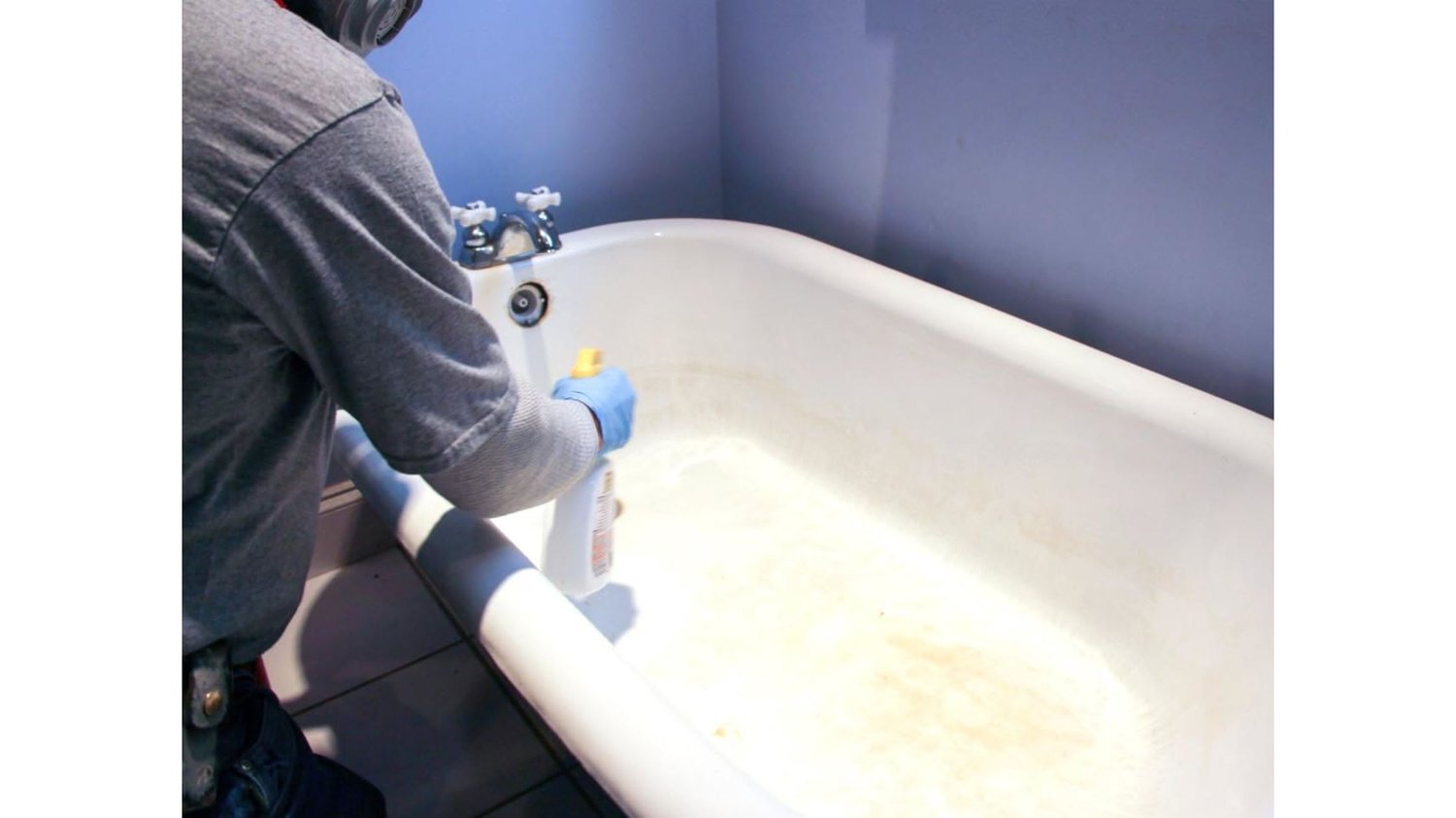
An old bathtub can make an entire bathroom look dated. Stains, scratches, chips, rust, and faded surfaces can build up after years of use. However, replacing the tub is not always the only option. Bathtub refinishing can restore the surface while keeping the existing fixture in place. This process can give a worn tub a fresh look without the dust, noise, and mess that often come with demolition.
Why Does an Old Bathtub Look Worn?
Bathtubs go through a lot of daily use. Water, soap, cleaning products, and moisture can slowly affect the finish. Hard water may leave stains, while strong cleaners can make the surface look dull. Small chips and scratches can also appear over time. Rust is another common issue, especially around the drain or damaged areas. Fiberglass and acrylic tubs may develop cracks or worn spots, while older cast iron tubs can lose their original finish.
These problems may affect the tub's appearance without making the whole fixture unusable. That is where surface restoration can help.
How Does Tub Resurfacing Work?
Tub resurfacing involves preparing the existing bathtub and applying a new finish over the prepared surface. The tub does not have to be removed from the bathroom. First, the surface is cleaned to remove dirt, soap buildup, and other residue. The old finish is then prepared so the new coating can stick properly. Any suitable chips, cracks, holes, or other surface damage can also be repaired during this stage.
After the preparation is complete, a new coating is applied to the bathtub. The result is a smoother and more even surface that can make an older tub look much newer. Proper preparation is one of the most important parts of the process. Without it, the new coating may not stick well or last as expected.
What Types of Damage Can Be Fixed?
Refinishing is useful for many common surface problems. Depending on the tub's condition, a professional may be able to address:
- Stains and discoloration
- Small chips
- Surface scratches
- Rust spots
- Minor cracks
- Worn or faded finishes
- Holes from removed hardware
A Bathtub repair service may be used before refinishing when the surface has specific areas that need attention. For example, a chipped edge can be repaired before the new finish is applied.
However, refinishing is not suitable for every tub. Severe cracks, leaks, major corrosion, or serious structural problems may require replacement. A professional inspection can help determine the right approach.
Why Is Demolition Not Needed?
Traditional bathtub replacement often starts with removing the old fixture. That may involve breaking tiles, opening walls, changing plumbing, and removing the surrounding materials. The old tub must also be carried out and disposed of. Refinishing takes a different route. The existing tub stays in its original position. Since there is no need to remove the fixture, much of the demolition work can be avoided.
This can be especially useful when the bathtub fits well in the bathroom and the homeowner wants to keep the existing layout. There is also less disruption to nearby walls, floors, and plumbing.
How Long Does the Process Take?
The time needed depends on the tub's material, size, and condition. A standard bathtub refinishing project can often be completed in several hours. However, the surface is not ready for immediate use once the work is finished. It needs time to set properly. Homeowners should follow the refinishing provider's instructions about when the bathtub can be used and how it should be cleaned.
Giving the new finish enough time to set is important. Using the tub too soon can affect the final result.
Can Refinishing Change the Look of an Old Tub?
Yes. Refinishing can improve both the condition and appearance of an older bathtub. It can cover an outdated color and create a cleaner, more even surface.
This can be useful during a bathroom update when the rest of the space is still in good condition. Instead of replacing a working tub simply because it looks old, homeowners can consider whether they can refinish bathtub surfaces and keep the existing fixture.
The result can make the bathroom feel cleaner and more up to date without changing the entire room.
How to Care for the New Finish
Good care can help a refinished surface stay in good condition. Homeowners should avoid rough scrubbers and harsh cleaning products that may scratch or weaken the finish. Gentle, non-abrasive cleaners are generally a better choice. Suction-cup mats can also cause problems on some refinished surfaces, so it is important to follow the care advice provided by the service professional.
Small chips or other new damage should be dealt with early. Taking care of minor issues can help prevent them from becoming bigger surface problems.
A Simple Alternative to Full Replacement
An old bathtub does not always need to be removed to look fresh again. Professional refinishing can repair suitable surface damage, improve the finish, and keep the existing tub in place.
For homeowners who want to update a bathroom without major construction, refinishing can be a practical option. By avoiding demolition and keeping the original fixture, the process can reduce disruption while giving an aging bathtub a renewed appearance.