
Why help a few hundred animals when you could help a few million for the same amount of effort?
Effective altruism (EA) is a global movement that focusses on finding the most effective ways to improve the world. Rather than wasting resources (time, money, etc...) on causes that make a small bit of difference, we can redirect them to efforts with the greatest impact to help the greatest number of people or animals.
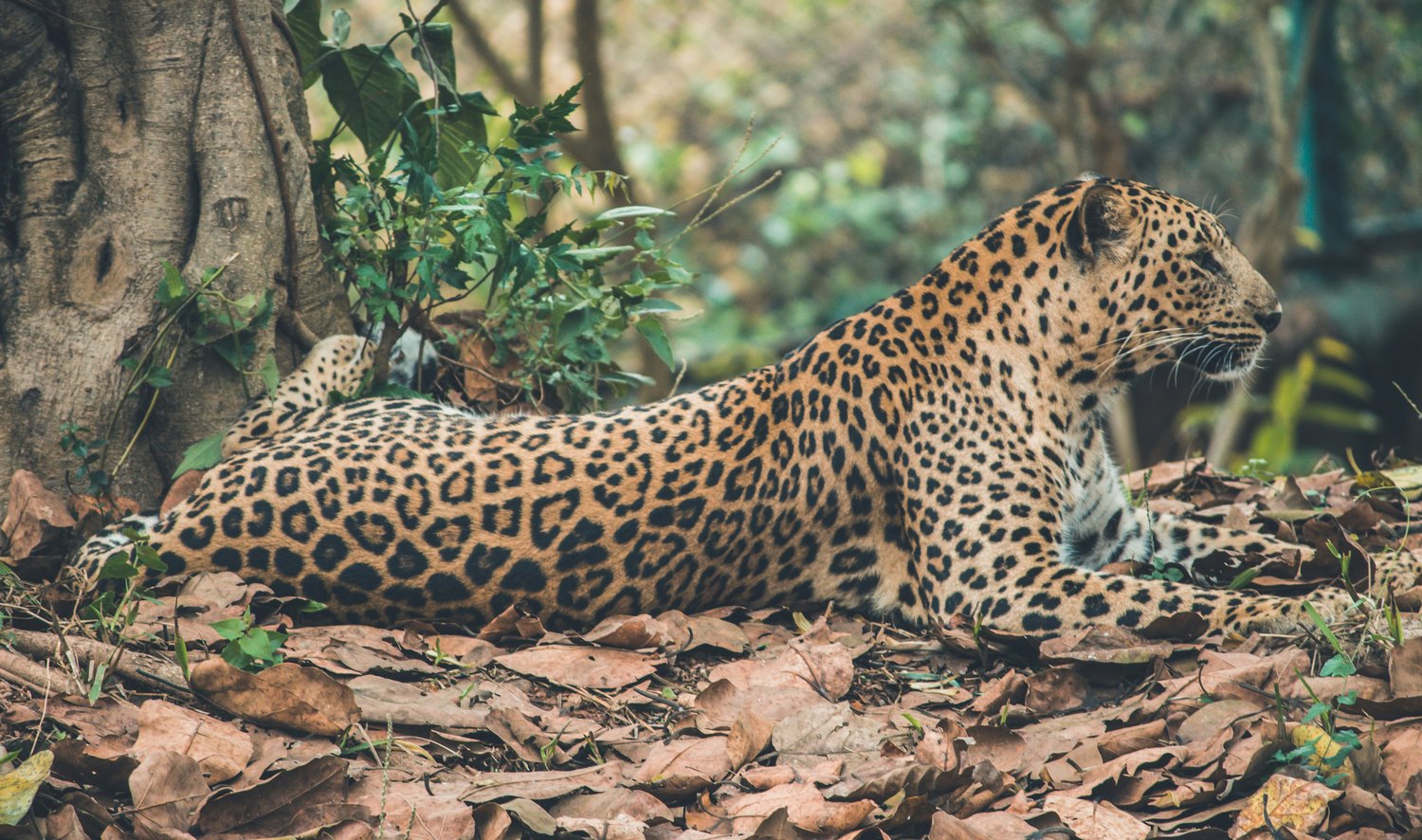
[Credit Himesh Kumar Behara]
Did you know you have about 80,000 working hours in your career? So if you want to have a positive impact, working out how to how to use your career most effectively is a great place to start!

EA involves using evidence and reasoning to determine the world’s most pressing problems and the best solutions to them. While it's often associated with human causes, a growing number of organisations are recognising the application of its principles to animals, seeking to have the greatest impact on animal welfare. These organisations focus on high-impact, evidence-based strategies to protect wild animals, and combat the threats they face to their wellbeing.
A list of EA aligned organisations helping wildlife can be found in our Wildlife Career Accelerator and Wildlife Work Directory. Some examples are Animal Charity Evaluators - who evaluate charities to identify those that will likely make the most significant difference for animals, Wild Animal Initiative - who aim to advance our understanding of wild animal well-being, Aquatic Life Institute and Shrimp Welfare Project- who work to reduce the suffering of the trillions of aquatic animals used for human consumption each year, and Faunalytics - who collect research and data for animal advocacy causes and connect animal advocates with relevant information.
Here are some examples of ways effective altruism is contributing to protecting wild animals.
Prioritising High-Impact Efforts
Effective altruism emphasises the importance of using resources where they will have the most significant positive impact. Many EA organisations focus on high-reward strategies, identifying and addressing critical threats to wildlife that are often overlooked by traditional conservation efforts. One area of focus for species extinction prevention - analysing data on population declines, habitat loss, and human-induced threats allows for the direction of resources toward species most at risk of extinction.
Addressing Systemic Threats to Wildlife
Effective altruism organisations are not just focused on isolated efforts; they aim to tackle the systemic issues affecting the largest number of wild animals on a global scale. EA groups work to raise awareness and advocate for policies to address these root causes, with projects that address large-scale threats such as industrial agriculture and overfishing, which have devastating effects on marine ecosystems and terrestrial wildlife. By targeting these major drivers, EA groups are able to create long-lasting, meaningful change for wildlife.
Using Research and Data to Maximise Impact
EA organisations are grounded in rigorous research and analysis to ensure that their efforts are truly effective. This includes evaluating programs based on their outcomes and measuring the long-term impact of their efforts. Rather than simply focusing on immediate results, these organisations prioritise strategies that have the potential for lasting and wide-reaching change. For example, organisations like the Centre for Effective Altruism help identify the most cost-effective and scalable interventions for animal welfare.
Focusing on the Most Neglected Species
Another important aspect of EA is its commitment to addressing the needs of animals that are most neglected. While charismatic megafauna like elephants and tigers often attract significant attention, many lesser-known species face challenges without receiving the same level of advocacy. EA organisations focus on these overlooked species, directing resources to protect the most suffering for the largest number of animals, not just those that are popular or visually appealing.
Effective altruism organizations are making a meaningful difference by applying evidence-based strategies, prioritising high-impact efforts, and addressing the root causes of wildlife threats. Their work extends beyond short-term fixes to long-term systemic change, ensuring that wild animals—both charismatic species and those less visible—receive the protection they desperately need.
If you're interested in getting involved with the global animal advocacy movement aligned with effective altruism, Hive's slack channel provides an inclusive and interactive space for contributors to share knowledge, make connections, and find opportunities. Connect For Animals also have automatic event postings.