
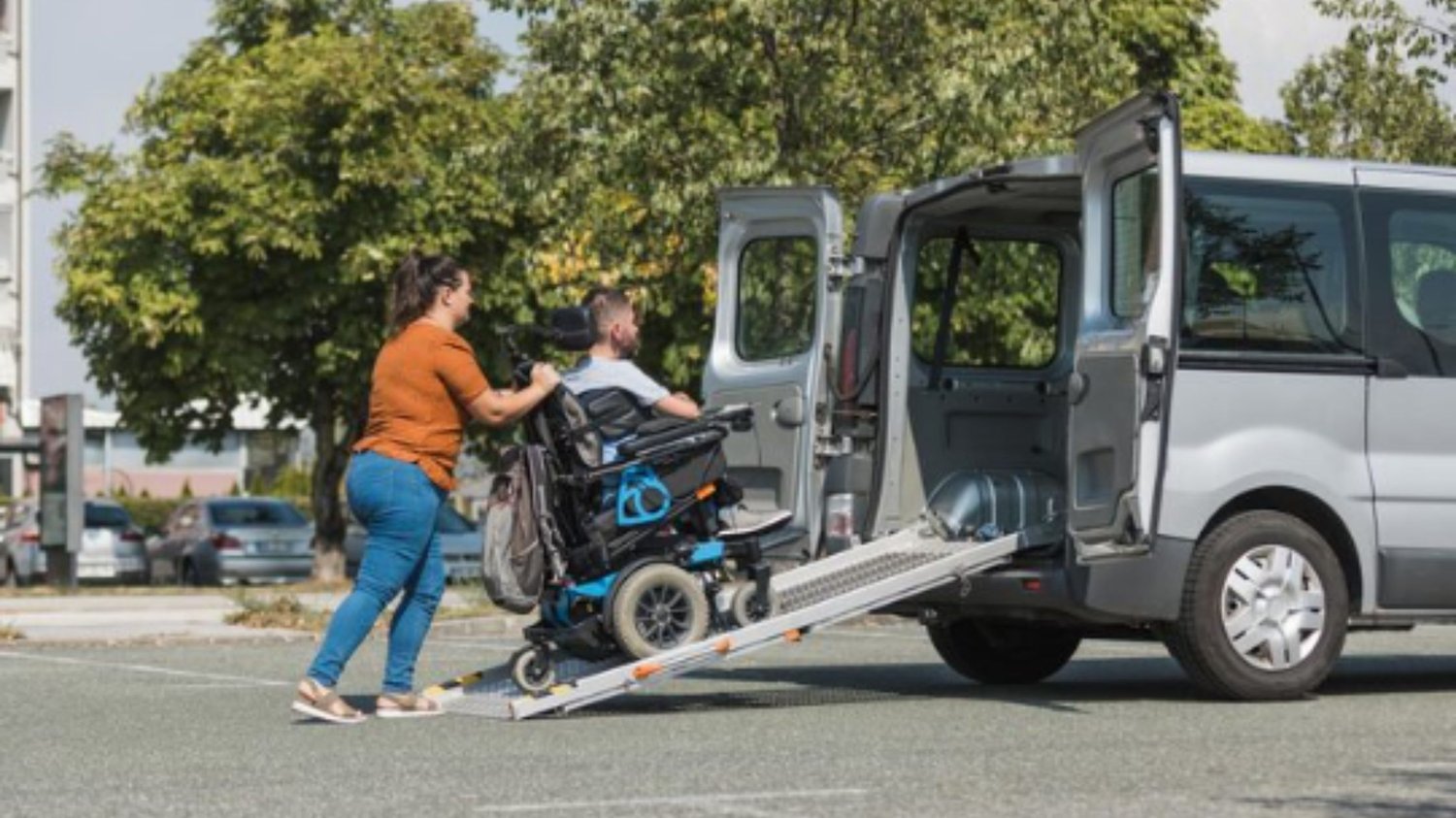
A medical appointment should not feel impossible because of transportation. Still, patients with limited mobility often struggle long before treatment even begins. Getting into vehicles, managing wheelchairs, and depending on family schedules creates daily stress. That is why wheelchair transportation services now play a major role in helping patients reach hospitals, therapy centers, and clinics more safely and consistently.
Why Simple Medical Trips Become Physically Exhausting For Mobility Patients?
A short ride may seem easy for most people. For someone with mobility challenges, the same trip can feel draining before the vehicle even starts moving. Some patients deal with:
- Weak balance
- Joint pain
- Paralysis
- Muscle weakness
- Surgery recovery
- Chronic pain conditions
Even stepping into a regular vehicle may create discomfort or injury risks. That is why transportation support matters far beyond basic travel.
Missed Appointments Often Start With Transportation Problems
Patients do not always skip appointments because they want to. Transportation issues quietly create bigger healthcare problems. A patient may:
- Cancel therapy sessions
- Delay follow-up visits
- Miss dialysis treatments
- Avoid specialist appointments
Then recovery slows down. Reliable transportation helps patients maintain treatment schedules without constantly worrying about how they will reach the clinic.
Why Regular Ride Apps Often Create Stress For Wheelchair Users?
Standard ride services usually focus on speed and convenience. Mobility support requires a completely different approach. Problems with regular transportation may include:
- Vehicles too small for wheelchairs
- Unsafe entry and exit
- Drivers without mobility assistance experience
- Lack of wheelchair security systems
- Rushed pickups
These situations create physical and emotional stress for patients. A proper safe wheelchair transport service focuses more on comfort, safety, and patient support during the entire trip.
Mobility Challenges Also Affect Emotional Well-Being
Transportation problems not only affect physical health. They also affect confidence. A patient who constantly depends on others for every appointment may start feeling frustrated, isolated, or emotionally exhausted. Reliable transportation helps people feel:
- More independent
- Less anxious about appointments
- More confident during travel
- More connected to normal routines
That emotional support matters more than most people realize.
Why Families Eventually Search For Transportation Support?
Family members often handle transportation at first. A daughter may adjust work schedules every week. A spouse may struggle with lifting mobility equipment repeatedly. Caregivers may spend hours coordinating transportation plans around appointments. Over time, that pressure becomes difficult to manage. Transportation support helps reduce:
- Scheduling stress
- Physical lifting strain
- Transportation confusion
- Caregiver burnout
That support helps the entire household function more smoothly.
Delayed Transportation Can Quietly Disrupt Long-Term Treatment Plans
Healthcare providers build treatment schedules carefully. Transportation delays can interrupt that entire process.
Recurring treatments often depend on consistency. This includes:
- Dialysis care
- Rehabilitation programs
- Physical therapy
- Cancer treatment visits
- Specialist follow-ups
Missing one appointment may seem small. Repeated transportation problems create larger medical setbacks later. That is why dependable transportation now connects directly to healthcare continuity.
Why Wheelchair-Friendly Vehicles Matter So Much?
Not every vehicle supports mobility equipment safely. Patients may require:
- Wheelchair lifts
- Wider interior spacing
- Secure wheelchair locking systems
- Easier entry access
- Comfortable seating support
Without proper setup, transportation quickly becomes uncomfortable or risky. A dependable, safe wheelchair transport service helps reduce these problems while making travel feel more manageable for patients with physical limitations.
Seniors Often Face Daily Transportation Barriers
Simple movement becomes harder with age.
A senior patient may struggle with:
- Arthritis pain
- Reduced balance
- Weak muscles
- Limited flexibility
- Vision problems
Public transportation may also feel overwhelming or unsafe. Family members may try helping regularly, but long-term transportation support becomes difficult to manage alone. Wheelchair transportation helps seniors continue medical care routines without depending completely on relatives for every visit.
Rural Patients Often Carry The Biggest Transportation Burden
Transportation gaps become larger outside busy cities. Some patients travel long distances for:
- Specialist visits
- Therapy appointments
- Hospital care
- Rehabilitation programs
Public transportation options may barely exist in smaller areas. Family support may also stay limited during work hours. Reliable transportation support helps rural patients maintain healthcare access more consistently, instead of delaying treatment because travel becomes too difficult.
Technology Now Helps Transportation Stay More Organized
Healthcare transportation systems now use smarter coordination tools. These tools may include:
- GPS tracking
- Route management
- Appointment reminders
- Real-time scheduling updates
- Digital communication systems
Better coordination helps reduce delays and missed pickups.
What Patients Should Check Before Booking Transportation?
Not every transportation provider offers the same level of support. Patients and caregivers should always check:
- Wheelchair accessibility
- Driver experience
- Vehicle safety support
- Scheduling reliability
- Communication quality
- Service coverage area
Good transportation support should reduce stress instead of adding more confusion.
Key Takeaways
Transportation challenges can quietly affect treatment schedules, emotional well-being, caregiver stress, and long-term healthcare access. That is why wheelchair transportation services continue to support patients with limited mobility in ways that go far beyond basic travel. Reliable transportation helps patients attend appointments consistently, maintain independence, and move through medical care with greater comfort and stability.
A dependable, safe wheelchair transport service also helps families manage daily healthcare routines more smoothly while reducing transportation-related pressure during already stressful situations.