

Let’s get real—nobody wants to think of their kid as “the bully.” But the truth is, bullying is a behavior, not an identity. And behaviors can be changed. If we really want to tackle the issue of bullying, we can’t just focus on the kids being bullied. We have to dig into what’s driving the bully’s actions and figure out how to redirect that behavior toward something better.
So, take a breath. This isn’t about shame or blame. It’s about helping our kids—because let’s face it, we’ve all been messy humans at some point in our lives. Bullies aren’t born; they’re made. And just like with anything else, they can be un-made with the right tools, conversations, and support.
What’s Really Going On?
Bullying isn’t just about being mean. It’s a symptom of something deeper. Here are a few common reasons kids might bully:
• Insecurity: Sometimes kids tear others down to build themselves up. It’s a way to feel in control when they’re not feeling great about themselves.
• Learned Behavior: Kids are sponges. If they see aggressive or unkind behavior at home, online, or even at school, they might think that’s just how you get by in the world.
• Attention-Seeking: Whether it’s good attention or bad, some kids crave it. Bullying can become their way of saying, “Hey, notice me!”
• Unprocessed Emotions: Anger, sadness, frustration—these emotions can bubble up and spill out in all the wrong ways. Bullying can be a way for kids to deal with their own emotional pain.
Understanding what’s driving the behavior is the first step. Once we know the “why,” we can start working on the “how” to fix it.
How Do We Help a Bully Change?
1. Empathy, Empathy, Empathy
No kid wakes up one day and decides to be a villain. Help them see the impact of their actions. Try saying:
• “How do you think that made them feel?”
• “What would you do if someone said that to you?”
It’s not about guilt-tripping. It’s about opening their eyes to how their actions ripple outward. This is where Power of Words comes in. The book is packed with real-life scenarios and activities that show kids the emotional weight of their words. Use it as a conversation starter to help your child understand the power they hold—and how they can use it for good.
2. Tackle the Real Issues
If your kid is bullying, ask yourself: what’s really going on? Are they dealing with anxiety, low self-esteem, or struggles at home? Addressing these root issues can make a world of difference.
• Check in with your kid regularly.
• Offer them a safe space to talk.
• Teach them healthier ways to process their emotions.
This is where emotional intelligence comes into play, and Power of Words can help here, too. It encourages kids to reflect on their feelings and find productive ways to express them.
3. Reward the Good Stuff
Catch them in the act of being kind. Celebrate it. Maybe it’s as simple as saying, “I saw how you helped your little brother today—that was awesome.” Positive reinforcement works better than a lecture any day of the week.
4. Accountability That Builds, Not Breaks
Holding kids accountable doesn’t mean breaking their spirit. It means helping them connect the dots between actions and consequences.
• Have them write an apology to the person they hurt.
• Get them involved in activities that promote kindness, like volunteering.
• Ask them to reflect on what they can do differently next time.
Accountability isn’t about punishment—it’s about growth.
5. Keep the Dialogue Open
Let’s be real: kids don’t always want to talk. But when they do, make sure you’re ready to listen. Bullies often act out because they feel unheard or misunderstood. Show them you’re there, no judgment attached.
Why This Matters
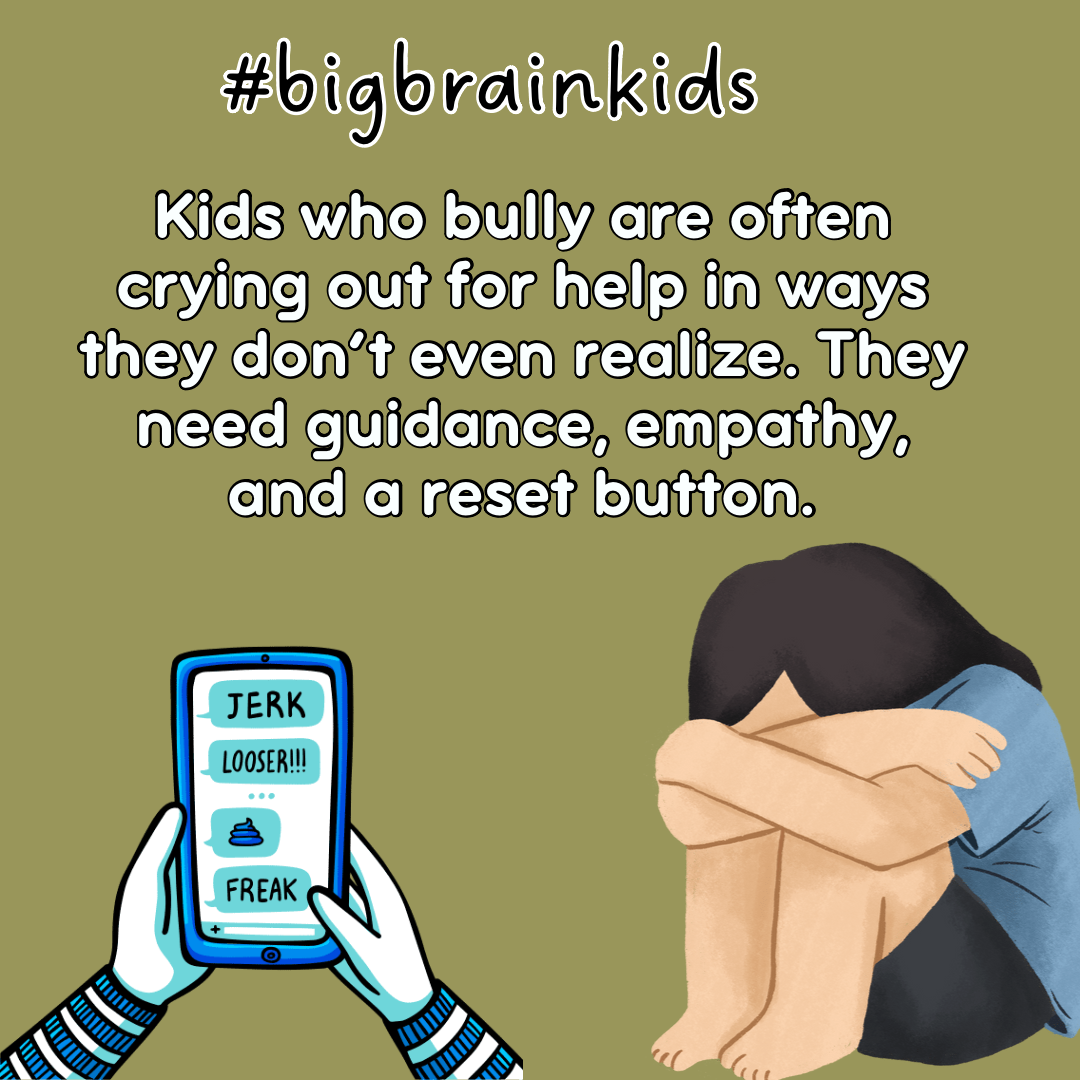
Kids who bully are often crying out for help in ways they don’t even realize. They need guidance, empathy, and a reset button. And let’s be clear—change doesn’t happen overnight. It’s messy, frustrating, and sometimes feels like two steps forward, one step back. But with patience and the right tools, we can teach our kids how to treat others—and themselves—with respect.
That’s where Power of Words can be a game-changer. This book isn’t just for the bullied—it’s for the bullies, too. It shows kids how to recognize the impact of their actions, develop empathy, and build healthier relationships. It’s not about perfection; it’s about progress.
So, what do you say? Let’s raise kids who don’t just know better but do better.
Your Turn
What’s one way you’ve helped a child understand the impact of their actions? Let’s swap ideas and stories in the comments—you never know who might need to hear your experience today.
Comments ()