

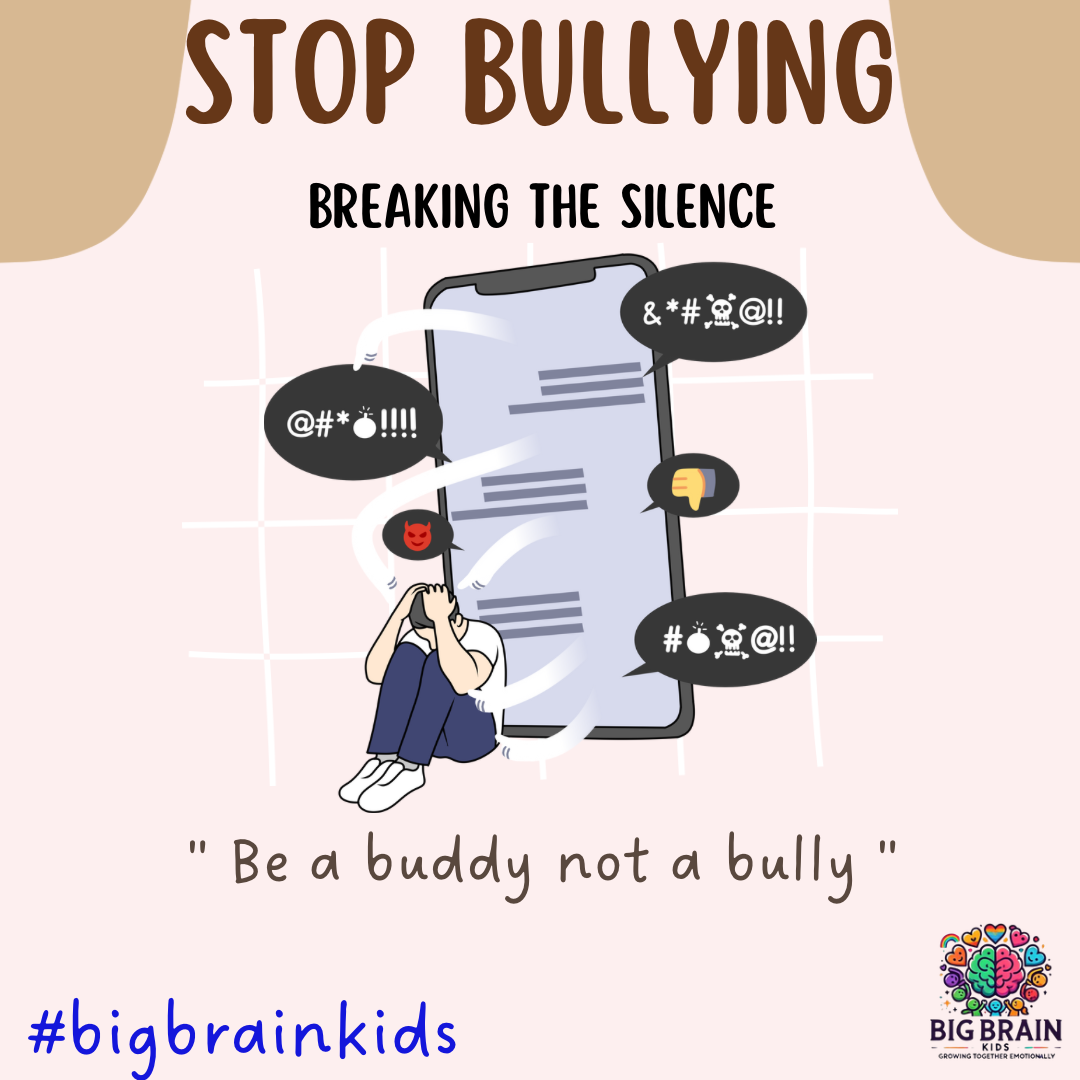
Let’s be real—when your kid tells you they’re being bullied, your first instinct might be to go full Mama Bear (or Papa Bear) mode and march straight to the school. But hold up—before you grab your coffee mug like a weapon of righteousness, let’s take a breath. Bullying is tough on your kid and on you, but the good news is there are ways to tackle it that don’t involve losing your mind in the principal’s office.
I’m here to walk you through what to do, step by step, without making it overwhelming. And if you’re thinking, “Where do I even start?” I’ve got your back. My book, Power of Words, is packed with activities and heartfelt story to help kids process their emotions, feel heard, and rebuild their confidence.
What Bullying Really Does to Our Kids
Bullying isn’t just about name-calling or playground drama. It’s a gut punch to your kid’s self-esteem, and it can leave scars that stick around. If your kid seems like they’re holding it together on the outside, trust me—they’re probably crumbling a little inside. Here’s what it can look like:
• They’re anxious AF: Always watching their back, worried about what’s coming next.
• They’re blaming themselves: Thinking, “What’s wrong with me?” instead of “What’s wrong with them?”
• They’re shutting down: Not talking to you, avoiding friends, staying in their room.
Sound familiar? If it does, don’t panic. We can fix this together, one step at a time.
Step 1: Create a Judgment-Free Zone
Before you ask what’s going on, make sure your kid knows they can talk to you without fear of being judged or brushed off. This means ditching the “ignore them” advice or the “just toughen up” pep talks.
Instead, say something like:
• “Hey, I’ve noticed you’ve been a little down lately. Want to tell me what’s up?”
• “If someone’s giving you a hard time, you can tell me. I’m not here to judge—just to help.”
Pro tip: Stay calm. I know you want to freak out, but if your kid senses your anger, they might shut down to “protect” you from getting upset. Let them know it’s okay to open up, even if what they say makes your blood boil.
Step 2: Show Them You Get It
No kid wants to hear, “Just ignore them.” That’s like telling someone to ignore a bee buzzing around their head—it’s not helpful. What they do need to hear is:
• “I’m so sorry this is happening to you. It’s not okay, and it’s not your fault.”
• “You’re not alone in this. I’ve got your back.”
When they feel seen and heard, they’re more likely to open up about how they’re really feeling. And this is where Power of Words comes in handy. It’s filled with stories and activities to help kids understand their emotions and feel like they have a voice.
Step 3: Help Them Feel in Control
Your kid probably feels pretty powerless right now, so let’s give them some tools to take back control:
• Practice what to say: Role-play with them. Teach them simple phrases like, “Stop,” or “I don’t like that.” It might feel awkward at first, but trust me, it works.
• Find their safe spots: Work with them to figure out where they feel comfortable at school and who they can talk to if things go south.
• Remind them of their strengths: Whether they’re great at art, math, or making you laugh, boost their confidence by focusing on what makes them awesome.
In Power of Words, there are exercises that make these steps fun and easy for kids to try. It’s all about small wins that build up their confidence over time.
Step 4: Take Action Without Going Overboard
Now, I know you’re itching to call the school, but let’s make a game plan first. If things are serious, document everything—dates, times, what was said or done. Then calmly (yes, calmly) talk to the teacher or counselor. Let them know what’s happening and ask how they plan to address it.
And hey, if they’re not taking you seriously? That’s when you channel your inner bad mom (or dad) energy and escalate it. But remember, the goal is to protect your kid—not just win the argument.
Step 5: Remind Them They’re More Than This Moment
Your kid might feel like this bullying situation defines them, but it doesn’t. Be their biggest cheerleader and remind them daily:
• “You’re strong, and you’ll get through this.”
• “What someone says about you doesn’t make it true.”
• “You are so loved, even when it doesn’t feel like it.”
Use Power of Words to help them replace the hurtful messages they’ve heard with positive affirmations. The book gives kids practical ways to reframe their thoughts and see themselves in a better light.
Final Thoughts: You’ve Got This
Helping your kid through bullying isn’t easy, but you don’t have to do it alone. The love, support, and guidance you offer can make all the difference. Start with small steps—listen, validate, and give them tools to feel stronger every day.
And if you’re not sure where to start, Power of Words is a great first step. It’s more than a book; it’s a resource for navigating tough emotions and finding strength in the face of challenges.
Let’s hear it: What’s one thing you’ve done to support a kid who’s dealing with bullying? Drop your tips in the comments—you might just help another parent out!
Comments ()