

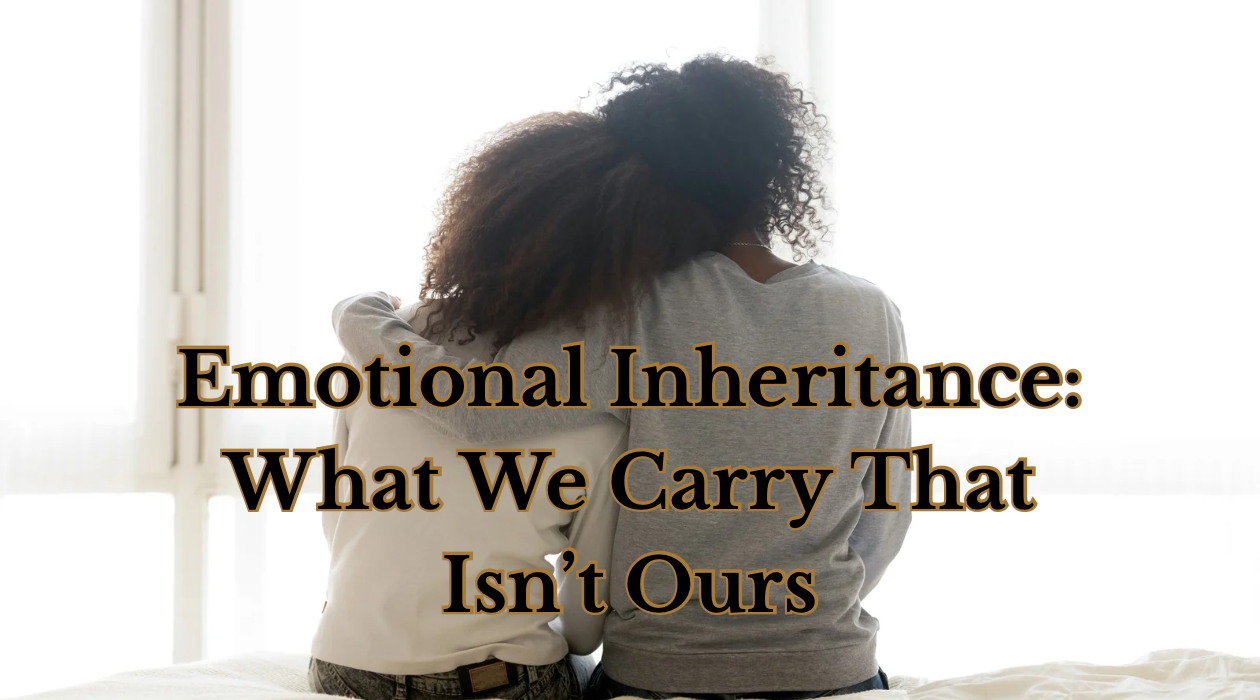
Generational trauma, family rules, and the messages we absorbed.
Some things we carry were never ours to hold.
Not our emotions.
Not our fears.
Not our responsibilities.
Not the wounds we were born into.
Not the pain passed down like an heirloom no one asked for.
This is emotional inheritance the invisible legacy that travels through families, shaping mother–daughter bonds long before either person understands why they react the way they do. It’s the unspoken stories.
The unresolved trauma. The patterns that repeat themselves quietly across generations. And the hardest part? Most of it isn’t conscious. It lives in the body before it ever reaches the mind.
What Is Emotional Inheritance?
It’s everything passed down without words:
• the tension in a mother’s voice
• the way she jumps at loud noises
• the emotional walls she doesn’t know how to put down
• the silence she slips into when feelings get heavy
• the need to be strong at all times
• the fear of depending on anyone
• the belief that softness is unsafe
This inheritance begins long before a daughter is born. A mother carries her mother’s pain…and her mother carried the pain before her. The daughter is born in the middle of a story that started generations ago.
Examples of Emotional Inheritance
1. Trauma Responses Passed Down
If mom grew up in chaos, neglect, fear, or instability, she may pass down:
• emotional avoidance
• controlling behaviors
• hypervigilance
• quick reactions
• difficulty trusting
• fear-based parenting
*Daughters internalize these responses without knowing where they came from.*
2. Family Rules That Weren’t Healthy
Every family has spoken and unspoken rules:
• “We don’t talk about our problems.”
• “Don’t cry.”
• “Keep your business in this house.”
• “Be strong.”
• “Respect means silence.”
• “Don’t question adults.”
• “Suck it up.”
• “You better not embarrass me.”
These rules teach daughters to suppress instead of express.
3. Roles We Slipped Into
Many daughters inherit a family role:
• the strong one
• the fixer
• the emotional caretaker
• the peacekeeper
• the responsible one
• the quiet one
• the problem child
• the achiever
• the parentified child
These roles feel like personality traits, but most began as survival strategies.
4. Messages Wrapped as Love
Sometimes pain is passed down through phrases meant to protect:
• “Don’t trust nobody.”
• “Keep your guard up.”
• “Life is hard, get used to it.”
• “Don’t depend on a man.”
• “You better not be fast.”
• “Girls like you need to know their place.”
• “You have to be 10 times better.”
These messages were meant to shield but they also shaped how daughters see themselves and the world.
The Daughter’s Burden
When daughters carry emotional inheritance, they often feel:
• responsible for everyone’s emotions
• guilty for having needs
• pressured to be strong
• disconnected from their own feelings
• confused about who they are
• overwhelmed by expectations they never agreed to
• afraid of making mistakes
• obligated to hold the family together
• ashamed for struggling
They become adults who don’t know how to set down what never belonged to them in the first place.
How It Shapes the Mother–Daughter Bond
Emotional inheritance creates:
1. Misunderstandings
Mothers respond from their past. Daughters interpret it as personal.
2. Distance
Daughters shut down to avoid conflict. Mothers shut down to avoid vulnerability.
3. Repetition of old patterns
The same arguments. The same tone. The same wounds. The same unspoken tension.
4. Fear-based parenting
Mothers act out of fear of repeating their own upbringing and unintentionally create new wounds.
5. Unspoken resentment
Both feeling unseen. Both feeling misunderstood. Both carrying weight that didn’t begin with them.
Breaking the Cycle: Setting Down What Isn’t Yours
Healing emotional inheritance is not about blaming mothers it’s about understanding the story behind the pain. Here’s how to start:
1. Name what was passed down.
You can’t heal what’s unnamed. Write it. Speak it. Recognize it.
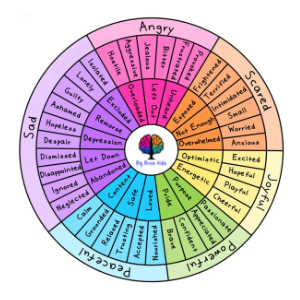
2. Notice your automatic reactions.
“Is this me… or something I inherited?”
3. Return what isn’t yours.
Some beliefs and patterns belong to generations before you. You can choose not to carry them anymore.
4. Build emotional awareness.
Softness, communication, vulnerability these are learned skills.
5. Allow yourself to feel.
Generations of women were not allowed to feel. You can break the pattern simply by honoring your emotions.
6. Create new family rules.
Rules like:
• “We talk about our feelings.”
• “We don’t shame softness.”
• “We listen before we react.”
This is how cycles break: through intentional choices that shift the emotional legacy.
💌 A Note from Lily
Hey love,
I know you’ve been carrying stories that didn’t begin with you. I know you’ve held pain that wasn’t yours to hold. I know you’ve spent years trying to be strong in ways no one ever acknowledged.
But hear me: You are allowed to put the weight down.
You are allowed to choose a different story.
A softer one.
A safer one.
A lighter one.
Just because you inherited the pain
doesn’t mean you have to pass it on.
With tenderness,
Lily
Try This Today
Write a list of three emotional burdens you’ve been carrying that didn’t start with you.
Then ask:
• Who did this come from?
• How has it shaped me?
• Do I want to keep carrying it?
• What would letting this go make room for?
Remember:
Breaking the cycle doesn’t require perfection just awareness, honesty, and small shifts.
If this blog touched something in you — if it reminded you of your own story, your mother, your daughter, or the parts of yourself you’re still learning to love — I want you to know you’re not alone.
Healing doesn’t happen in one day, or in one conversation.
It happens in small moments of awareness… just like this one.
If you’re ready to go deeper, my healing journal Blurred Lines Between Us was created to guide you through the next steps with compassion, clarity, and real tools you can use in everyday life.
Inside you’ll find:
- emotional regulation practices
- mother–daughter connection prompts
- nervous system resets
- personal reflection exercises
- gentle guidance from Lily
- space to understand your story without judgment
✨ You can purchase your copy here: CLICK HERE
And before you go I would love to hear from you. Your thoughts. Your reflections. Your “this is me” moment. Drop a comment below and let me know what part of this blog resonated with you the most.
Your words might be exactly what someone else needs to read today.
With softness and growth,
La’Jon
Comments ()