


How the Lack of Repair Shapes Emotional Safety
Some wounds don’t come from what happened. They come from what never happened. The apology we needed. The conversation that never came. The moment of repair we waited years for.
Growing up without repair teaches daughters something dangerous:
“My feelings don’t matter.”
“My pain isn’t important.”
“Love means I have to accept disrespect.”
And this is where emotional safety breaks. Because it’s not the mistake that damages the bond it’s the silence after.
Why Some Mothers Never Apologize
Apologizing requires vulnerability and many mothers were never allowed to be vulnerable.The mothers who struggle to apologize often grew up with:
• Homes where admitting wrong meant punishment
So they learned to defend, deny, or flip the script.
• Parents who never apologized to them
So there was no blueprint for repair.
• Trauma that taught them survival > softness
In survival mode, apologies feel like weakness.
• Shame that turns into defensiveness
When their mistakes are pointed out, shame rises first. And shame pushes them to shut down.
• The belief that authority = always right
They confuse control with leadership. They confuse fear with respect.
So they avoid accountability…not because they don’t care but because they don’t know how to emotionally return to the scene of the pain.
What It Feels Like to Grow Up Without Repair
When mothers don’t apologize, daughters often grow up:
- emotionally guarded
- hyper-independent
- fearful of confrontation
- unsure of their worth
- over-apologizing
- internalizing blame
- questioning their own memories
- shutting down instead of speaking up
These daughters learn:
“Conflict means pain, so avoid it.”
“Speaking up means consequences.”
“Love is inconsistent don’t trust it.”
And later in life, this shows up in relationships, parenting, and self-worth.
How the Lack of Repair Affects Emotional Safety
Emotional safety is knowing:
- I can speak up without being punished
- my feelings matter
- you won’t leave if we disagree
- we can work through conflict together
When a mother NEVER apologizes, the relationship teaches the opposite:
- my feelings start fights
- conflict is dangerous
- vulnerability gets shut down
- my voice just makes things worse
Without repair, the daughter becomes the emotional adult long before she should.
A Personal Note
I speak about this topic from both sides.
I grew up with a mother who never fully apologized with accountability. Generation after generation, repair wasn’t taught it was avoided. Emotional safety wasn’t given it had to be earned. Love was something you survived, not felt. And because I didn’t know better… I carried some of that same trauma into my own motherhood.
I reacted before I understood. I parented from wounds I didn’t know I still had. I apologized late because I didn’t have the tools. But the difference is this:
I chose to learn.
I chose to grow.
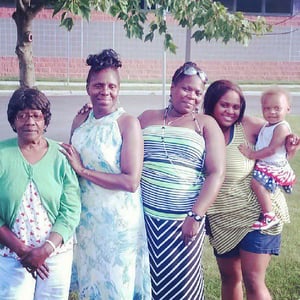
I chose to break the four-generation cycle that taught women in my family to love without softness.
And no, I didn’t get the chance to heal with the woman who raised me. Some relationships can’t be repaired because both people aren’t ready or willing. But I did build a new relationship with my daughter. I got the help. I got the education. I learned about the brain, trauma, nervous systems, communication, regulation so she would never have to wonder if she mattered to me.
I became the mother who apologizes the moment she realizes she’s wrong not the mother who waits years.
Not the mother who never does.
Why Repair Is the Foundation of a Healthy Bond
Here is the truth that changes everything: Repair builds more trust than perfection ever will. A daughter doesn’t need a perfect mother. She needs a mother who can say:
- “I was wrong.”
- “That came out harsh.”
- “I see how I hurt you.”
- “I’m willing to do better.”
Apologies teach:
- safety
- empathy
- self-worth
- accountability
- emotional intelligence
- secure attachment
Repair makes the relationship stronger, not weaker.
How to Repair: A Simple, Trauma-Informed Model
Here’s a 4-step formula you can use today:
1. Pause the Survival Brain
Breathe before reacting. Calm the Alarm Brain.
2. Listen Without Defensiveness
Let the Feeling Brain speak — yours AND theirs.
3. Use the Smart Brain (Thinking Brain) to take accountability
“I understand how that made you feel.”
“I hear you.”
“I’m sorry for…”
Name the behavior, not the intention.
4. Repair and Reset
Offer a plan. Ask how you can support. Choose a better response next time. This is how generational trauma breaks one repair at a time.
✨Conversation Examples (Before & After)✨
Old Pattern
Daughter: “You hurt my feelings.”
Mother: “Oh please, everything hurts your feelings.”
Healing Pattern
Daughter: “You hurt my feelings.”
Mother: “Thank you for telling me. I didn’t mean to, but I see how it landed. I’m sorry. How can we fix this together?”
Old Pattern
Daughter: “I don’t like the way you talk to me.”
Mother: “That’s how I was raised. Deal with it.”
Healing Pattern
Daughter: “I don’t like the way you talk to me.”
Mother: “You’re right. I slipped into old habits. I’m going to try that again, softer this time.”
A Note from Lily
Hey love,
Forgiveness doesn’t start with fixing the relationship.
It starts with fixing your heart.
Whether your mother can apologize or not,
you can still heal the version of you who needed one.
And when your daughter comes to you with her pain,
you get to do what no one did for you:
You get to say,
“I’m listening. You matter. And I’m here.”
Generations of silence end when you speak softly and mean it.
With you,
Lily

✨ Try This Today
Take a few minutes to reflect on these questions.
Write them in a journal, in your Notes app, or say them out loud:
- Where in my childhood did repair never happen?
- How did that shape the way I respond to conflict today?
- When was the last time I apologized too late or didn’t apologize at all?
- What would healthy repair look like for me moving forward?
- What kind of mother do I want to be in the next emotional moment with my child?
Small awareness creates big change. And every time you choose repair you choose healing for yourself, your daughter, and the generation after her.
Before You Go… I Want to Hear From You
If this blog touched something in you… If it reminded you of your childhood… If it made you think about your relationship with your daughter… Tell me in the comments. Your voice helps other women feel seen, safe, and less alone.
If you’re ready to go deeper into:
- healing generational patterns
- learning emotional regulation
- understanding your triggers
- building healthy mother–daughter communication
- breaking survival-based parenting
- and learning how to give (and receive) repair
my healing journal Blurred Lines Between Us walks you step-by-step through the work.
It’s filled with:
✔️ reflective prompts
✔️ emotional awareness tools
✔️ brain-based explanations
✔️ healing exercises
✔️ and guided activities for real transformation
If this blog hit home for you the journal will take you even further.
Your healing matters.
Your daughter’s healing matters.
And you deserve a safe place to begin.
Comments ()