


Indoor air-purifying plants are a brilliant addition to any home or office. Beyond their undeniable aesthetic appeal, these living design elements actively improve your indoor air quality by filtering out common volatile organic compounds (VOCs), toxins, and pollutants emitted by everyday household items like cleaners, carpets, and furniture.
If you are looking to create a healthier, more vibrant indoor sanctuary, here are the 10 best air-purifying plants to introduce to your space:
1- Snake Plant (Sansevieria trifasciata):
Famous for its striking, upright sword-like leaves, the Snake Plant is an absolute powerhouse. It is highly efficient at filtering out formaldehyde, benzene, xylene, and trichloroethylene. It is also one of the few plants that releases fresh oxygen at night, making it an ideal choice for bedrooms.
- Care Level: Extremely low. It thrives on neglect, tolerates low light, and only needs water when the soil is completely dry.

2. Spider Plant (Chlorophytum comosum):
With its cascading, slender striped leaves, the Spider Plant looks beautiful in hanging planters. It is incredibly effective at combating airborne toxins like carbon monoxide, formaldehyde, and xylene.
- Care Level: Easy. Prefers bright, indirect sunlight and regular watering, though it is highly resilient if you occasionally forget.

3. Peace Lily (Spathiphyllum):
The Peace Lily combines high-performance air purification with elegant design, producing stunning white blooms throughout the year. It targets the top three most common indoor VOCs: formaldehyde, benzene, and trichloroethylene, while also absorbing airborne mold spores.
- Care Level: Moderate. It prefers indirect light and will visually "droop" to let you know exactly when it needs a drink of water.
Note: Peace Lilies are toxic to cats and dogs, so keep them elevated out of reach.

4. Boston Fern (Nephrolepis exaltata):
With its lush, feathery fronds, the Boston Fern acts as a natural humidifier while aggressively filtering out formaldehyde, xylene, and toluene. It’s an ideal plant for adding a burst of vibrant texture to a room.
- Care Level: Moderate. Ferns love high humidity and consistently moist soil, making them perfect for bathrooms or bright kitchens.

5. Aloe Vera (Aloe barbadensis miller):
While widely loved for the soothing gel inside its leaves, this sun-loving succulent is also an incredible air filter. It helps clear the air of formaldehyde and benzene, which are often found in chemical household cleaners and paints.
- Care Level: Low. Place it on a sunny windowsill and water deeply only when the soil has dried out completely.

6. Rubber Plant (Ficus elastica):
If you are looking for a bold statement piece, the Rubber Plant features large, thick, dark green leaves that anchor a room's design. Its massive leaf surface area makes it highly efficient at absorbing and breaking down indoor airborne chemicals.
- Care Level: Easy to moderate. Prefers bright, filtered light and a consistent watering schedule once the top couple inches of soil dry out.

7. Gerbera Daisy (Gerbera jamesonii):
According to NASA’s Clean Air Study, Gerbera Daisies are exceptionally effective at removing trichloroethylene (often brought in by dry-cleaned clothes) and benzene (commonly found in inks, plastics, and household dyes). Because they release a high volume of fresh oxygen during the night, they are a fantastic addition to sunny bedroom windowsills to help improve your sleep quality.
Key Care & Styling Tips:
- Light: They absolutely crave direct sunlight. Place them on a south- or west-facing windowsill where they can soak up plenty of bright light to keep blooming.
- Watering: Keep the soil consistently moist but never soggy. Water deeply whenever the top inch of soil feels dry to the touch, and make sure the pot has excellent drainage.
- Design Vibe: Their vivid, saturated hues—ranging from deep reds and oranges to bright pinks and yellows—work beautifully as a living centerpiece on dining tables, desks, or open shelving layouts that receive ample sun.

8. Devil’s Ivy (Epipremnum aureum):
Commonly known as Pothos, Devil’s Ivy(Epipremnum aureum) is the ultimate low-maintenance plant for biophilic design. Boasting glossy, heart-shaped leaves with striking golden variegation, this fast-growing trailing vine is highly efficient at filtering out common indoor toxins like formaldehyde and carbon monoxide. It is famously adaptable—thriving in low-light environments and requiring minimal watering—making it a superior, much more forgiving choice for indoor spaces than its finicky counterpart, English Ivy.
Quick Care Summary: Devil's Ivy
Keeping your Devil's Ivy thriving requires very little effort. Here is the foolproof formula for a healthy, fast-growing plant:
- Light: Prefers bright, indirect sunlight to maintain its vibrant golden marbling, but easily adapts to low-light spaces or fluorescent office lighting.
- Water: Use the "soak and dry" method. Water deeply only when the top 2 to 3 inches of soil are completely dry. It is highly drought-tolerant and bounces back quickly from underwatering.
- Soil & Potting: Always use a well-draining potting mix and a container with a functional drainage hole to prevent soggy roots.
- Temperature: Thrives in standard indoor climates between 60°F and 85°F (15°C – 29°C). Keep away from freezing winter drafts or direct AC vents.
- Maintenance: Snip long, leggy vines just below a leaf node to encourage bushier growth at the top. Cuttings can easily be rooted in water to create new plants!

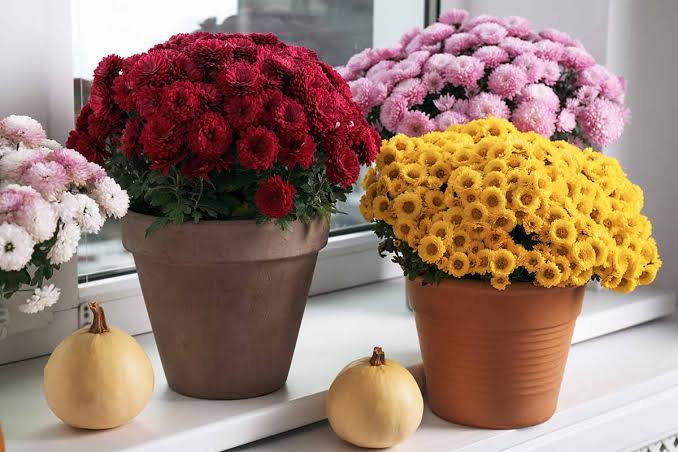
9. Chrysanthemum (Chrysanthemum morifolium):
Commonly known as Mums, indoor Chrysanthemums(Chrysanthemum morifolium) are crowned as one of the absolute best air-purifying plants discovered by NASA. They are uniquely efficient at scrubbing heavy pollutants like ammonia, benzene, and formaldehyde from the air. Because they are heavy bloomers, they are typically brought indoors as gorgeous, temporary seasonal highlights to brighten up autumn or spring design palettes.
Quick Care Summary: Chrysanthemums
To maximize their lifespan and keep their colorful flower domes blooming indoors, use this straightforward care routine:
- Light: Give them bright, direct sunlight. Place them on a sunny windowsill where they can receive at least 5 to 6 hours of light daily to keep the flower buds opening.
- Water: Keep the soil consistently moist but never waterlogged. Check them daily—if the top layer of soil feels dry, water them thoroughly. They will wilt quickly if allowed to dry out completely.
- Temperature: They thrive best in cool indoor environments between 55°F and 68°F (13°C – 20°C). Keep them away from warm drafts, heaters, or appliances, as excess heat will cut their blooming cycle short.
- Maintenance: Regularly pinch off dead or fading flower heads (deadheading). This encourages the plant to channel all of its energy into opening fresh, remaining buds!
10. Lavender (Lavandula):
Lavender not only adds a pleasant fragrance but can also help improve indoor air quality by reducing stress and anxiety.
Quick Care Summary: Lavender
Growing lavender successfully indoors can be slightly challenging because it is a Mediterranean native that craves intense light and dry conditions. Follow this essential care routine to keep it thriving:
- Light: Give it maximum direct sunlight. It needs at least 6 hours of bright, direct sun daily. A south-facing windowsill is usually the best spot in the house.
- Water: Use a strict "let it dry out" routine. Water deeply, then allow the soil to dry out almost completely before watering again. Overwatering or letting the roots sit in stagnant water will cause root rot instantly.
- Airflow & Temperature: Lavender loves excellent air circulation and moderate room temperatures around 60°F to 70°F (15°C – 21°C). Avoid cramped, stagnant corners or highly humid rooms like small bathrooms.
- Soil & Drainage: Plant in a loose, well-draining potting mix (mixing a standard soil with plenty of sand or perlite). Always use a pot with a functional drainage hole, preferably a breathable material like terracotta.

Critical Reminders: Safe Biophilic Design
While incorporating these air-purifying plants is an incredible step toward creating a healthier, more vibrant home, it is important to keep these fundamental factors in mind before building your indoor oasis:
- Not a Replacement for Ventilation: While plants do a wonderful job absorbing trace volatile organic compounds (VOCs) and toxins, they are not a substitute for proper home ventilation, regular fresh airflow, or high-efficiency mechanical air purification systems (like HEPA filters). Think of plants as a supplemental, holistic boost to your existing home health routine.
- Pet Safety First: Several of the top air-purifying plants—including Peace Lilies, English Ivy, and Chrysanthemums—are toxic to cats and dogs if ingested. If you share your home with animals, always cross-reference ASPCA guidelines and choose non-toxic varieties like Spider Plants or Boston Ferns, or place toxic plants safely on high shelves and hanging baskets completely out of reach.
- Assess Your Space First: Before purchasing a new plant, take a day to monitor the light levels in your intended room. Matching the right plant to your home's natural light conditions (instead of forcing a sun-loving plant into a dark corner) is the absolute secret to long-term plant health.