

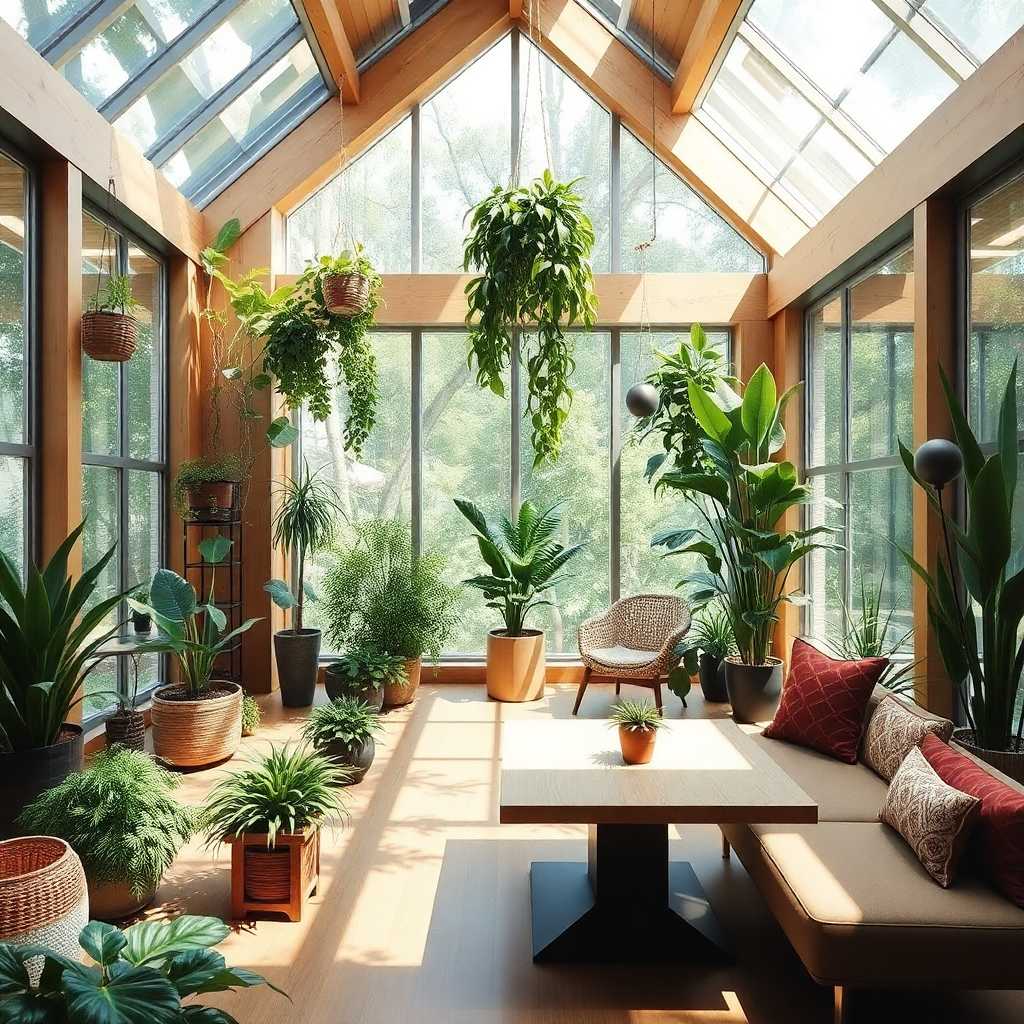
Biophilic design is gaining incredible traction, particularly in the spaces where we spend the majority of our time—our homes, offices, and healthcare environments. At its core, this design philosophy aims to create environments that foster deep peace, well-being, and productivity by seamlessly integrating elements of the natural world into built spaces.
As our living environments become increasingly urbanized, prioritizing our mental, emotional, and physical health through design has never been more vital.
Here are six powerful ways to implement biophilic design into your space:
1. Maximize Natural Light
Sunlight is a foundational pillar of biophilic design. Large windows, strategic skylights, and open-plan layouts allow sunlight to penetrate deep into a room, which drastically boosts mood, regulates circadian rhythms, and increases daily productivity.
2. Introduce Living Greenery
Bringing plants indoors does more than just look good—it actively reduces stress, clears the mind, and improves indoor air quality. Whether you prefer low-maintenance succulents, lush ferns, or a bold statement piece like a fiddle-leaf fig tree, living greenery instantly grounds a room.
3. Choose Tactile, Natural Materials
Incorporate elements like raw wood, natural stone, cork, and bamboo to create a tactile connection to the earth. Think exposed wooden beams, stone accent walls, or organic wood furniture that gives an interior an authentic, grounded feel.
4. Integrate Water Features
The sight and sound of water are incredibly restorative. Adding a sleek indoor fountain, a minimalist tabletop pond, or a well-designed aquarium introduces the soothing ambient sound of running water, promoting deep relaxation and sharp focus.
5. Frame Views of Nature
Whenever possible, design spaces to frame the outdoors. Having a direct view of a garden, a canopy of trees, or a local park creates a seamless transition between the indoors and outdoors, offering a mental visual break throughout the day.
6. Embrace Organic Shapes & Patterns
Nature rarely moves in rigid, harsh angles. Emulate the natural world by incorporating organic curves, flowing lines, and botanical patterns—like those found in leaves, flowers, or ocean waves—into your furniture, architecture, and decor.
Designing for a Greener Future
The rise of biophilic design reflects a beautiful, broader shift toward prioritizing holistic well-being. It also ties hand-in-hand with sustainability, as choosing eco-friendly, natural materials naturally aligns with a more environmentally conscious lifestyle.
Are you looking to incorporate biophilic principles into a specific design project, or are you just beginning to explore the concept?
Discover More Inspiration
Ready to dive deeper into the world of nature-inspired spaces? Explore stunning home tours, design breakdowns, and practical tips on the YouTube channel:
Watch & Subscribe to Biophilic Architecture on YouTube