

Indoor air-purifying plants are a great addition to your home or office because they can help improve air quality by removing pollutants and toxins from the air. Some common indoor air-purifying plants include:
- Snake Plant (Sansevieria trifasciata): This plant is known for its ability to filter out formaldehyde, benzene, and other common indoor air pollutants. It’s easy to care for and can tolerate low light conditions.

2. Spider Plant (Chlorophytum comosum): Spider plants are effective at removing pollutants like formaldehyde and xylene. They are also easy to grow and maintain.

3. Peace Lily (Spathiphyllum): Peace lilies are excellent at removing airborne toxins such as ammonia, benzene, and formaldehyde. They also have beautiful white flowers.

4. Boston Fern (Nephrolepis exaltata): Boston ferns are good at removing pollutants like formaldehyde and xylene. They thrive in high humidity and indirect light.

5. Aloe Vera (Aloe barbadensis miller): Aloe vera not only has soothing properties for skin but also helps remove formaldehyde and benzene from the air. It’s a low-maintenance succulent.

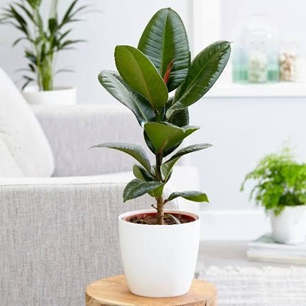
6. Rubber Plant (Ficus elastica): Rubber plants are effective at filtering out toxins like formaldehyde and are relatively easy to care for. They prefer bright, indirect light.

7. Gerbera Daisy (Gerbera jamesonii): Gerbera daisies are known for their colorful blooms and their ability to remove trichloroethylene and benzene from the air.

8. Devil’s Ivy (Epipremnum aureum): Also known as Pothos, Devil’s Ivy is great at removing indoor pollutants and is easy to care for. It can thrive in various light conditions.

9. Chrysanthemum (Chrysanthemum morifolium): Chrysanthemums are effective at removing pollutants like ammonia and benzene. They are often used as seasonal indoor plants.

10. Lavender (Lavandula): Lavender not only adds a pleasant fragrance but can also help improve indoor air quality by reducing stress and anxiety.

Remember that while these plants can help improve indoor air quality, they are not a substitute for proper ventilation and air purification systems. Additionally, some of these plants may be toxic to pets, so be cautious if you have animals in your home. Always research the specific care requirements for each plant and consider your indoor environment’s lighting conditions before choosing the best air-purifying plants for your space.