

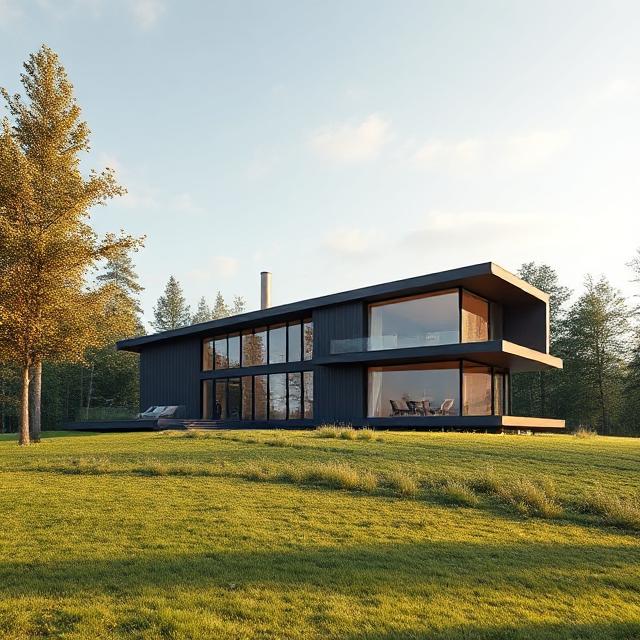
Biophilic homes are designed to bring humans closer to Mother Nature, promoting physical, mental, and emotional health. Studies have consistently shown a direct relationship between exposure to nature and improved health outcomes. For instance, research indicates that being surrounded by nature can lower cortisol levels and improve mood, much like the restorative feeling after a walk in a park. Harvard studies, even in virtual reality settings, have demonstrated that biophilic elements can increase physiological stress recovery by lowering blood pressure, heart rate, and anxiety levels.
Key elements of a biophilic glass home that enable this connection include:
- Maximizing Natural Light: Glass homes inherently excel at this, allowing abundant sunlight to filter through. Natural light is integral to biophilic design, influencing circadian rhythms, mood, and cognitive function. It's crucial for a healthy lifestyle, especially given that people spend approximately 90% of their time indoors. Large windows, skylights, and thoughtful orientation ensure natural light flows freely, reducing the need for artificial lighting and enhancing energy efficiency.
- Seamless Indoor-Outdoor Transitions: Glass walls and open floor plans create a visual and often physical connection to the surrounding environment [4]. This allows residents to experience the changing seasons, weather patterns, and natural landscapes from within their home, fostering a continuous engagement with nature.
- Incorporating Greenery: While a glass home provides ample views of outdoor greenery, integrating indoor plants further enhances the biophilic experience. Plants purify the air, release oxygen, and filter out pollutants, contributing to cleaner indoor air quality. Even low-maintenance options like snake plants or pothos can make a significant difference.
- Natural Materials and Textures: Beyond the glass, the use of organic materials such as wood, stone, bamboo, and natural fibers for furniture, flooring, and decor creates a tactile connection to nature. These materials not only add aesthetic appeal but also contribute to a sense of well-being and authenticity.
- Water Elements: The calming presence of water can be incorporated through small indoor fountains, aquariums, or even the strategic placement of the home to overlook natural water features. The sound of flowing water is known to be soothing and stress-reducing.
- Earthy Colors and Organic Shapes: Nature rarely presents harsh straight lines or overly bright, artificial colors. Biophilic design often utilizes earthy tones like greens, browns, and soft blues, along with curved furniture and organic forms that mimic natural shapes, creating a serene and harmonious atmosphere.
The benefits of living in such a home are extensive. Beyond stress reduction and improved mental health, biophilic design can boost creativity and focus, enhance cognitive function, and even contribute to better sleep by regulating circadian rhythms. It also promotes sustainability by reducing reliance on artificial lighting and heating/cooling systems .
Ultimately, a biophilic glass home offers a unique opportunity to live in constant, meaningful engagement with nature, transforming a living space into a restorative sanctuary.
Watch the video:
https://youtube.com/shorts/c7AcRpKSrt0
Explore my youtube channel for more videos:
https://www.youtube.com/@biophilicarchitecture