

By Judith | BiteBrightly | Health & Nutrition
Introduction
Before you spend money on expensive supplements, before you sign up to another detox programme, before you overhaul your entire diet in one overwhelming weekend — check your spice rack.
Some of the most clinically studied, scientifically validated anti-inflammatory compounds on the planet are sitting in small jars in your kitchen right now. Most of us walk past them every day, barely giving them a second thought. We sprinkle a little here and there, mostly for flavour, without any awareness of the extraordinary healing potential packed inside each jar.
That's about to change.
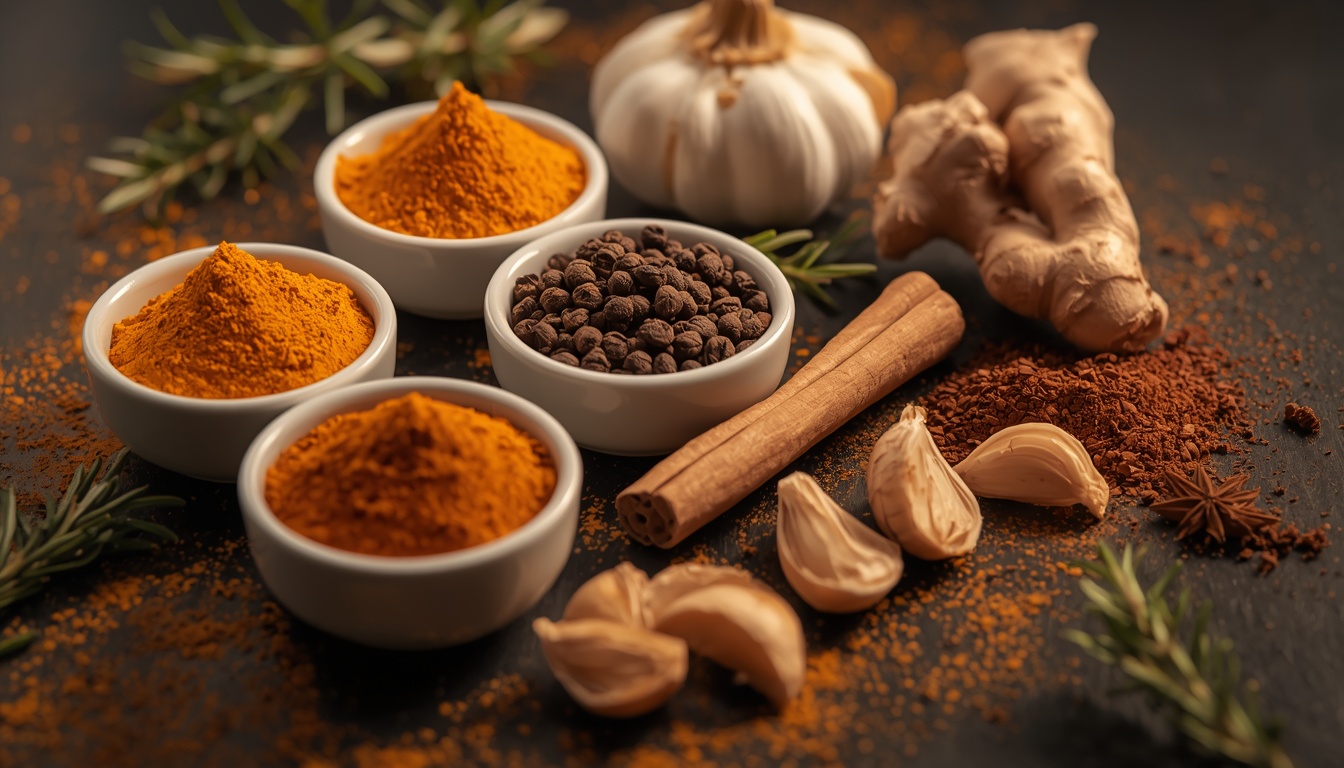
In this post, we're going to look at five of the most powerful anti-inflammatory spices available to you, explore the science behind each one, and give you practical, specific ways to use them every single day. Not occasionally. Every day — because that's where the real benefit lies.
These are not exotic ingredients. You almost certainly have at least three of them in your kitchen already. And by the end of this article, you'll understand exactly why they deserve to be in every meal you make.
What Does "Anti-Inflammatory" Actually Mean?
Before diving into the spices themselves, it's worth being clear about what we mean when we say something is "anti-inflammatory."
Inflammation, as we explored in a previous post, is the immune system's natural response to threat or injury. Acute inflammation is protective — it's what heals a wound or fights an infection. But chronic, low-grade inflammation — the kind that simmers quietly in the background for months or years — is damaging. It's associated with fatigue, brain fog, joint pain, digestive issues, skin problems, and is a known driver of serious chronic diseases including heart disease, type 2 diabetes, and autoimmune conditions.
Anti-inflammatory foods and spices work by interrupting the inflammatory signalling pathways in the body. They contain compounds that either directly inhibit pro-inflammatory enzymes and cytokines, neutralise free radicals that drive oxidative stress, or support the gut microbiome — which is now understood to be one of the most powerful regulators of systemic inflammation.
The spices below have all been studied extensively. The science is real. And the most effective way to harness their benefits is consistent daily use in whole food cooking — not isolated supplements.
Spice 1: Turmeric — The Golden Healer
If there is one spice that has captured the attention of the scientific world above all others, it is turmeric. And for very good reason.
The Science
Turmeric's active compound is curcumin — one of the most studied natural anti-inflammatory agents known to science. Curcumin works by inhibiting NF-kB, a molecule that activates the genes responsible for inflammation. In doing so, it interrupts the inflammatory cascade at a very fundamental level.
Studies have found curcumin to be comparable in some contexts to pharmaceutical anti-inflammatory drugs — without the side effects. Research has examined its potential role in reducing markers of inflammation associated with arthritis, metabolic syndrome, inflammatory bowel conditions, and cognitive decline.
It has also been shown to support liver function, improve endothelial function (the lining of blood vessels), and act as a powerful antioxidant — neutralising the free radicals that damage cells and accelerate ageing.
The Critical Detail: Always Pair with Black Pepper
Here is the single most important thing to know about turmeric: curcumin has very poor bioavailability on its own. Your body struggles to absorb it effectively.
The solution is elegantly simple — add black pepper. Piperine, the active compound in black pepper, has been shown to enhance curcumin absorption by up to 2,000 percent. This is not a minor enhancement — it is the difference between turmeric being a pleasant flavour and turmeric being genuinely therapeutic.
Never use turmeric without black pepper. They go together always.
How to Use Turmeric Every Day
- Add a teaspoon to scrambled eggs with a generous grind of black pepper
- Stir into oats in the morning with cinnamon and ginger
- Add to soups, lentil dishes, and curries
- Make a golden milk: warm plant-based milk with turmeric, black pepper, cinnamon, and a small amount of honey
- Roast vegetables with olive oil, turmeric, and black pepper
- Add to smoothies — it's almost tasteless when balanced with other ingredients
Spice 2: Ginger — The Digestive and Inflammatory Powerhouse
Ginger has been used in traditional medicine for over 5,000 years across Asia, India, and the Middle East. Modern science has validated what ancient healers knew intuitively — this root is remarkably therapeutic.
The Science
Ginger's anti-inflammatory properties come primarily from two groups of compounds: gingerols (present in fresh ginger) and shogaols (which form when ginger is dried or cooked). Both directly inhibit inflammatory enzymes — specifically cyclooxygenase (COX) and lipoxygenase (LOX) — the same pathways targeted by common anti-inflammatory medications like ibuprofen.
Research has demonstrated ginger's effectiveness in reducing pain and inflammation associated with osteoarthritis, reducing exercise-induced muscle soreness, lowering blood sugar and improving insulin sensitivity, and reducing nausea — including morning sickness and chemotherapy-induced nausea.
Ginger is also one of the most effective natural digestive aids available. It accelerates gastric emptying (meaning food moves through your stomach more efficiently), reduces bloating and gas, and supports the gut lining.
Fresh vs Dried Ginger
Both forms are valuable, but they work slightly differently. Fresh ginger is higher in gingerols and particularly powerful for anti-nausea effects and digestion. Dried and ground ginger is higher in shogaols and has stronger anti-inflammatory effects overall. Ideally, use both — fresh in smoothies and stir-fries, ground in cooking.
How to Use Ginger Every Day
- Add a thumb-sized piece of fresh ginger to morning smoothies
- Stir ground ginger into oatmeal with turmeric and cinnamon
- Add fresh ginger to stir-fries and Asian-inspired dishes
- Make a simple anti-inflammatory tea: hot water, fresh ginger slices, fresh lemon, and a pinch of turmeric
- Add to soups and broths for warmth and depth of flavour
- Incorporate into marinades for chicken, fish, and tofu
Spice 3: Garlic — The Ancient Healer with Modern Science Behind It
Garlic has been used as both food and medicine for at least 7,000 years. It appears in ancient Egyptian records, was used by Greek and Roman physicians, and features in the traditional medicine of virtually every culture on earth. The science now explains why.
The Science
When garlic is chopped, crushed, or chewed, a compound called alliin is converted by an enzyme into allicin — the primary bioactive compound responsible for garlic's health properties. Allicin is a potent anti-inflammatory, antimicrobial, and antioxidant compound.
Research has shown that garlic consumption reduces levels of C-reactive protein (CRP) — one of the most important blood markers of systemic inflammation. It also reduces levels of other pro-inflammatory cytokines including TNF-alpha and IL-6.
Beyond inflammation, garlic has extensive evidence for cardiovascular benefits — reducing blood pressure, improving cholesterol profiles, and reducing the stiffness of arterial walls. It also has demonstrable antimicrobial properties, supporting the immune system's ability to fight bacterial and viral infections.
The Key to Maximising Garlic's Benefits
Allicin is most potent when garlic is used raw or very lightly cooked. High heat destroys much of the allicin content. For maximum benefit:
- Add raw crushed garlic to dressings and dips
- Let chopped garlic sit for 10 minutes before adding to a hot pan — this allows allicin to form before heat exposure
- Add garlic at the very end of cooking to preserve more of its activity
- Use it generously in cold preparations like hummus, guacamole, and salsa
How to Use Garlic Every Day
- Crush a clove into salad dressings with olive oil, lemon, and herbs
- Add to hummus for a flavour and health boost
- Finish soups and stews with a raw garlic clove stirred through at the end
- Add liberally to sautéed vegetables, taking care not to burn it
- Roast whole garlic cloves — the heat reduces the intensity but a portion of the benefits remain
- Mix into marinades for fish, chicken, and legume dishes
Spice 4: Cinnamon — The Blood Sugar Stabiliser
Cinnamon is the warming, fragrant spice most associated with baked goods and sweet treats — which makes it all the more satisfying to learn that it is one of the most powerful blood sugar-regulating and anti-inflammatory spices available.
The Science
Cinnamon's anti-inflammatory properties come primarily from cinnamaldehyde and cinnamic acid — compounds that inhibit the release of arachidonic acid from cell membranes. Arachidonic acid is a precursor to many pro-inflammatory compounds in the body, so interrupting this pathway reduces the entire inflammatory cascade.
Cinnamon's effect on blood sugar is perhaps its most significant health benefit. Research has shown that cinnamon can improve insulin sensitivity, reduce fasting blood glucose levels, and slow the digestion of carbohydrates — meaning blood sugar rises more slowly and steadily after eating. Since blood sugar spikes are themselves a driver of inflammation, cinnamon addresses two mechanisms at once.
Studies have also found cinnamon to have antioxidant properties comparable to some of the most antioxidant-rich foods in existence, including berries.
Ceylon vs Cassia Cinnamon
This distinction matters. Most cinnamon sold in supermarkets is cassia cinnamon, which contains high levels of coumarin — a compound that can be harmful to the liver in high doses over time. Ceylon cinnamon (also called "true cinnamon") contains negligible amounts of coumarin and is the type recommended for regular daily use.
Look for Ceylon cinnamon specifically — it's available in health food shops and online and is well worth the slight premium for daily consumption.
How to Use Cinnamon Every Day
- Stir into morning oatmeal or overnight oats
- Add to smoothies alongside banana, almond butter, and plant milk
- Sprinkle over coconut yoghurt with berries and seeds
- Add to roasted sweet potato — it's a natural flavour pairing and a nutritional one
- Stir into coffee or golden milk
- Add to spiced soups like butternut squash or carrot and ginger
- Use in chia puddings and healthy desserts
Spice 5: Rosemary — The Underestimated Anti-Inflammatory Herb
Rosemary is perhaps the most underappreciated anti-inflammatory spice on this list. It's commonly thought of as a herb for roast meats and potatoes — useful, but not remarkable. The science tells a very different story.
The Science
Rosemary contains two particularly powerful compounds: rosmarinic acid and carnosol. Both have been extensively studied for their anti-inflammatory and antioxidant effects.
Rosmarinic acid has been shown to reduce inflammation through multiple pathways — inhibiting the production of pro-inflammatory cytokines and directly neutralising free radicals. Research has specifically examined its effects on neuroinflammation — inflammation in the brain — with promising results for cognitive protection.
Carnosol, meanwhile, has demonstrated anti-inflammatory properties in numerous studies and has been investigated for its potential role in cancer prevention — though this research is still developing.
Rosemary also supports liver detoxification, has demonstrated antimicrobial properties, and has been shown in some studies to improve memory and cognitive performance — possibly through increased blood flow to the brain and reduced neuroinflammation.
How to Use Rosemary Every Day
- Add fresh or dried rosemary to roasted chicken, fish, and lamb
- Infuse olive oil with rosemary for drizzling over vegetables and salads
- Add to roasted root vegetables alongside garlic and olive oil
- Stir into lentil soups and hearty stews
- Add to homemade bread and focaccia
- Use in marinades for any grilled protein
- Brew rosemary tea — steep a sprig of fresh rosemary in boiling water for 5 minutes
How to Use All Five Spices Every Single Day
The goal is daily, consistent use — not occasional large doses. Here's a simple framework for weaving all five into your daily eating without overthinking it:
Morning: Turmeric + black pepper + cinnamon + ginger in your oats or smoothie
Lunch: Garlic in your dressing, dip, or sauce. Rosemary in any roasted vegetables or protein.
Dinner: Turmeric + ginger + garlic in soups, stews, curries, or stir-fries. Rosemary on roasted meats, fish, or vegetables.
Snacks: Cinnamon on yoghurt or apple slices. Garlic in hummus.
That's it. Five spices. Multiple times per day. Over weeks and months, this consistent daily exposure to these anti-inflammatory compounds accumulates into meaningful, measurable change in how your body functions.
The Bigger Picture: Spices Are One Piece of the Puzzle
As powerful as these spices are, they work best as part of a broader anti-inflammatory dietary approach. Sprinkling turmeric on an otherwise poor diet will not undo the damage done by sugar, refined carbohydrates, and inflammatory oils. But as part of a diet rich in whole foods, omega-3 fats, colourful vegetables, and quality proteins, these spices amplify the benefits significantly.
That is exactly the philosophy behind the BiteBrightly 30-Day No Sugar Anti-Inflammatory Meal Plan. Every recipe is built around anti-inflammatory principles — with turmeric, ginger, garlic, cinnamon, and rosemary woven into daily meals as a natural, delicious part of the eating plan.
You don't have to track which spices you've had. You don't have to remember to add them separately. The plan does all of that thinking for you — so you simply cook, eat, and let the food do what it does best.
A Note on Spice Quality
Not all spices are equal. Older spices lose potency — the volatile compounds that provide both flavour and health benefits degrade over time. For maximum benefit:
- Buy spices in smaller quantities and replace them regularly (every 6–12 months for ground spices)
- Store in a cool, dark place — not above the stove where heat and moisture degrade them faster
- Choose organic where possible to minimise pesticide exposure
- For ginger, use fresh root when you can — it's more potent than dried for most culinary applications
Recipes to Get You Started
Here are three simple preparations that incorporate multiple anti-inflammatory spices at once:
Golden Milk (Anti-Inflammatory Bedtime Drink)
Warm 250ml of plant-based milk. Stir in 1 tsp turmeric, ¼ tsp ground black pepper, ½ tsp cinnamon, ½ tsp ground ginger, and a small drizzle of honey. This single drink delivers four of the five spices in one go.
Anti-Inflammatory Morning Oats
Cook rolled oats in plant milk or water. Stir in ½ tsp turmeric, ½ tsp cinnamon, ¼ tsp ground ginger, and a generous grind of black pepper. Top with blueberries, walnuts, and a drizzle of almond butter. A genuinely healing breakfast in under 10 minutes.
Simple Anti-Inflammatory Dressing
Whisk together 3 tbsp extra virgin olive oil, 1 tbsp apple cider vinegar, 1 crushed garlic clove, ½ tsp turmeric, ¼ tsp black pepper, and a pinch of salt. Use on salads, grain bowls, and roasted vegetables. Keeps in the fridge for up to a week.
Final Thoughts
The most powerful medicine is often the most accessible. These five spices — turmeric, ginger, garlic, cinnamon, and rosemary — have been healing human bodies for thousands of years, long before pharmaceutical anti-inflammatories existed. Modern science has not replaced that wisdom. It has confirmed it.
You don't need a complicated protocol. You don't need an expensive supplement stack. You need consistency — these spices, used generously, every single day, as part of a diet built around whole, nourishing food.
That is the BiteBrightly philosophy. Food as medicine. Science as the foundation. Delicious meals as the vehicle.
Your spice rack is more powerful than you think. Start using it like it is.
Want a Full 30-Day Anti-Inflammatory Eating Plan?
👉 Download the BiteBrightly 30-Day No Sugar Anti-Inflammatory Meal Plan
Every recipe built around anti-inflammatory principles. Every spice used intentionally. 30 days of breakfast, lunch, dinner, and snacks — all planned, all delicious, all designed to help your body heal.
Found this useful? Share it with someone who could benefit. For more science-backed food and wellness content, visit bitebrightly.com