

By Judith | BiteBrightly | Health & Nutrition
Introduction
Protein has become one of the most talked-about nutrients in the health world — and yet it remains one of the most misunderstood. Ask most people what protein is for and they'll say "building muscle." Ask them if they're eating enough and they'll probably say yes, assuming a chicken breast here and some eggs there covers it.
But protein is so much more than a gym nutrient. It is the fundamental building block of every cell, tissue, enzyme, and hormone in your body. It is the raw material your immune system uses to mount a defence. It is the macronutrient most responsible for keeping you full, energised, and mentally sharp throughout the day.
And the truth is — most people are not eating enough of it, or they're relying on low-quality sources that don't deliver what the body actually needs to function at its best.
In this post, we're going to explore what protein really does, why quality matters as much as quantity, what happens when you optimise your protein intake, and how to build meals that are both high in protein and genuinely delicious.
What Is Protein and Why Does Your Body Need It So Desperately?
Protein is made up of amino acids — often called the "building blocks of life." Your body uses 20 different amino acids to carry out thousands of biological functions. Nine of these are considered "essential," meaning your body cannot manufacture them on its own. They must come from food.
Here's a glimpse at everything protein is responsible for in the body:
Tissue repair and growth: Every time you exercise, sit at a desk, or simply breathe, your muscle fibres experience microscopic wear. Protein is what rebuilds them — stronger than before if your intake is sufficient.
Enzyme production: Enzymes are proteins. They catalyse every chemical reaction in your body — from digestion to DNA replication to detoxification.
Hormone regulation: Hormones like insulin, glucagon, and growth hormone are either proteins or are regulated by them. Without adequate protein, hormonal balance becomes difficult to maintain.
Immune function: Antibodies — your immune system's frontline soldiers — are proteins. A low-protein diet directly compromises your body's ability to fight infection.
Satiety and appetite regulation: Protein is the most satiating macronutrient. It stimulates the release of satiety hormones like peptide YY and GLP-1, while suppressing ghrelin — the hunger hormone. This is why high-protein meals keep you full for hours, while carbohydrate-heavy meals leave you reaching for snacks an hour later.
Metabolic support: The thermic effect of food — the energy your body uses to digest and metabolise nutrients — is highest for protein. Your body burns roughly 20-30% of the calories from protein just processing it, compared to 5-10% for carbohydrates and 0-3% for fat.
Signs You May Not Be Getting Enough Protein
Protein deficiency doesn't always show up dramatically. Often it manifests as subtle, persistent symptoms that are easy to attribute to other causes:
- Constant hunger or cravings, even after eating
- Difficulty building or maintaining muscle despite regular exercise
- Slow wound healing
- Frequent illness or low immunity
- Brittle nails and hair loss
- Feeling mentally foggy or struggling to concentrate
- Low mood or increased irritability
- Poor recovery from exercise
- Feeling cold frequently
If several of these sound familiar, increasing your protein intake — particularly from high-quality, whole food sources — could make a significant difference.
Not All Protein Is Created Equal
This is where many people go wrong. A processed protein bar contains protein. So does a fast-food burger patty. But the quality of those proteins — their amino acid profile, digestibility, and the nutritional context they arrive in — is entirely different from a piece of wild salmon or a bowl of lentil soup.
Animal-Based Protein Sources
Animal proteins are "complete" proteins — they contain all nine essential amino acids in proportions that closely match what the human body needs.
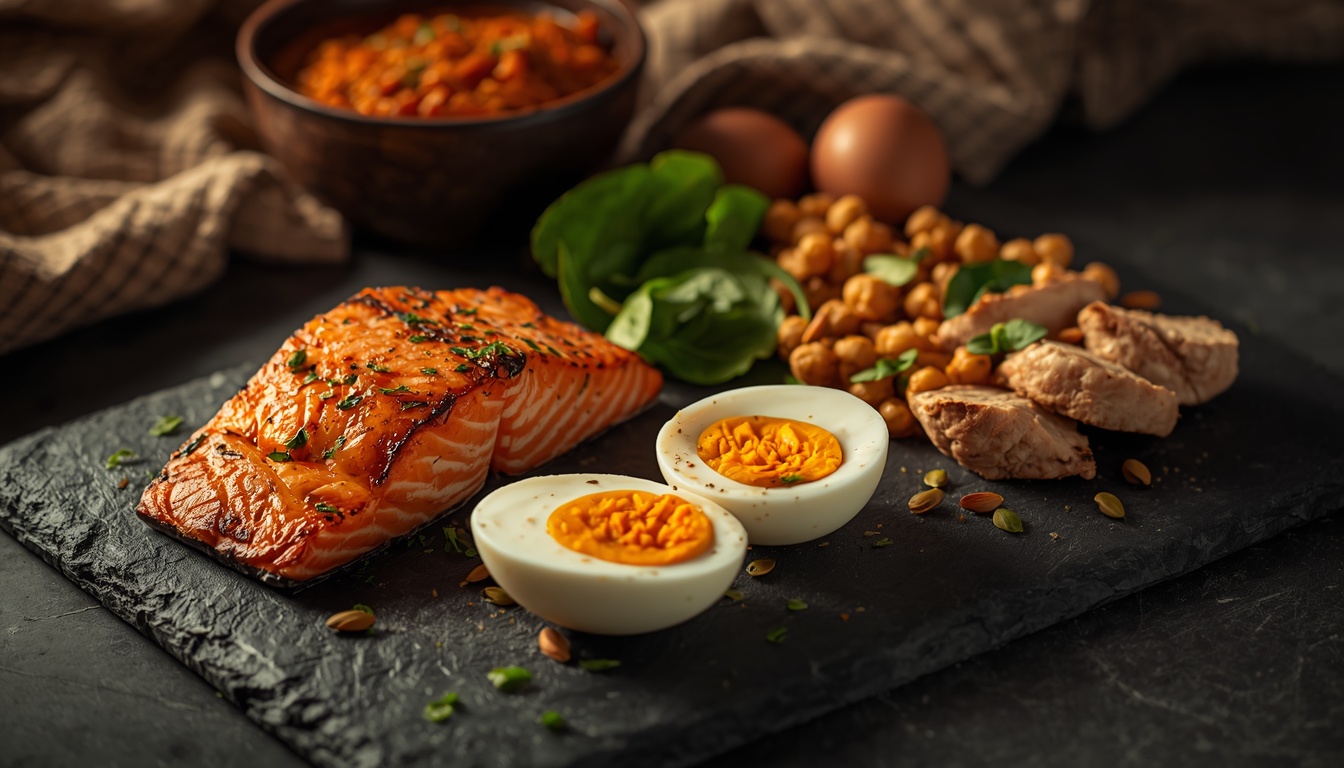
Salmon and oily fish are among the most nutritionally complete foods available. They deliver high-quality complete protein alongside omega-3 fatty acids, vitamin D, and selenium — a combination that supports muscle, brain, heart, and immune health simultaneously.
Eggs are often called nature's perfect protein. They score highest on the Protein Digestibility Corrected Amino Acid Score (PDCAAS) — meaning the protein in eggs is used by the body more efficiently than almost any other source.
Chicken and turkey are lean, versatile, and rich in amino acids that specifically support muscle protein synthesis — making them valuable for anyone looking to build or maintain muscle as they age.
Plant-Based Protein Sources
Plant proteins are just as valuable — and come with the added benefit of fibre, phytochemicals, and anti-inflammatory compounds.
Lentils are nutritional powerhouses — one cup of cooked lentils delivers around 18g of protein alongside folate, iron, and prebiotic fibre that feeds your gut microbiome.
Chickpeas provide both protein and slow-releasing carbohydrates, making them excellent for blood sugar stability as well as satiety.
Tofu and tempeh are complete proteins derived from soya. Tempeh in particular — fermented soya — delivers protein alongside gut-friendly probiotics.
Quinoa is one of the few plant foods that is a complete protein, making it exceptional as a grain substitute.
The Importance of Variety
The key is variety. Different protein sources deliver different amino acid profiles and different accompanying nutrients. Rotating between animal and plant sources throughout the week ensures your body gets the full spectrum of what it needs.
How Optimising Your Protein Intake Changes Your Body
When you genuinely prioritise protein — building every meal around a quality source — the changes are tangible and often surprising.
You Stop Being Hungry All the Time
This is the change most people notice first. When your meals are anchored by protein, the constant background hunger that drives mid-morning snacking, afternoon cravings, and post-dinner grazing simply quietens down. You feel satisfied after meals in a way that a plate of pasta never quite delivers.
Your Body Composition Shifts
Muscle is metabolically active tissue — it burns calories even at rest. As you eat more protein and your body has the raw materials to build and maintain muscle, your metabolism naturally becomes more efficient. This doesn't require extreme exercise — even regular walking combined with adequate protein intake makes a meaningful difference.
Your Energy Becomes More Stable
The blood sugar spikes and crashes associated with carbohydrate-heavy, low-protein meals are replaced by steady, sustained energy throughout the day. Most people describe this as feeling "level" — no afternoon slump, no desperate need for coffee at 3pm, no crashing after meals.
Your Immune System Strengthens
With adequate protein available to produce antibodies and support immune cell function, many people find they get sick less frequently — or recover more quickly when they do.
Your Hair, Skin, and Nails Improve
Collagen — the protein responsible for skin elasticity, strong nails, and healthy hair — depends entirely on dietary protein for its production. Many people who increase their protein intake notice visible improvements in their hair and skin within weeks.
Building High-Protein Meals That Are Actually Delicious
Here is where the real transformation happens — not in a supplement tub, but in your kitchen.
High-protein eating doesn't mean dry chicken breast and protein shakes. It means building meals around flavourful, nourishing ingredients that happen to be rich in protein. The key is layering — combining a quality protein source with vegetables, healthy fats, and seasonings that make the whole dish sing.
The Plate-Building Method
A simple framework for any meal:
50% vegetables — leafy greens, roasted root vegetables, steamed broccoli, sautéed courgette — whatever you enjoy and whatever is in season
30% quality protein — salmon, chicken, eggs, lentils, tofu, chickpeas — cooked in a way that maximises flavour
20% complex carbohydrates — quinoa, brown rice, sweet potato — for energy and satiety
Plus healthy fat — avocado, olive oil, nuts, or seeds — to enhance absorption of fat-soluble nutrients and add richness
This ratio is not rigid — it's a starting point. But it ensures protein is always the anchor rather than an afterthought.
Meal Prep Is the Secret Weapon
The biggest barrier to high-protein eating is not knowledge — it's convenience. When you're tired, busy, and hungry, you reach for whatever is fastest. The solution is preparation.
Batch-cook your proteins at the start of the week. Grill four to six chicken breasts or bake a tray of salmon fillets all at once. Store in the fridge for up to three days. Now every meal is three minutes away — slice over salads, stir into bowls, wrap in lettuce, eat alongside roasted vegetables.
Boil a dozen eggs on Sunday. They last a week in the fridge and provide the fastest high-protein snack or meal-addition imaginable.
Cook a large pot of lentils or chickpeas. They form the base of soups, stews, salads, and side dishes throughout the week.
Common Myths About Protein — Debunked
Myth 1: High protein is only for people who exercise intensely. False. Protein requirements increase with age regardless of activity level — because muscle is harder to maintain as we get older. Adequate protein is one of the most important nutritional strategies for healthy ageing.
Myth 2: Plant proteins aren't as good as animal proteins. False. While animal proteins are complete and highly bioavailable, a varied plant-based diet that includes legumes, whole grains, nuts, seeds, and tofu can absolutely meet all protein needs.
Myth 3: Eating more protein will damage your kidneys. False — for healthy individuals. This myth arose from studies on people with pre-existing kidney disease. For people with healthy kidneys, higher protein intake within reasonable ranges is safe and beneficial.
Myth 4: You need protein shakes to get enough protein. Absolutely not. Whole food protein sources are superior in every way — they deliver protein alongside essential micronutrients, fibre, and beneficial compounds that a powder cannot replicate.
How the BiteBrightly Protein Power Meals Guide Helps You Make It Happen
Understanding the theory is one thing. Having a collection of recipes that bring it to life — meals that are high in protein, genuinely delicious, and practical for real everyday life — is what actually creates change.
The BiteBrightly Protein Power Meals Guide is designed to take all the thinking out of high-protein eating. It gives you a curated collection of meals built around quality proteins — from quick weeknight dinners to satisfying lunches — with the flavour, variety, and nutritional depth that makes healthy eating feel like a joy rather than a chore.
Whether you're cooking for yourself, your family, or meal prepping for a busy week ahead, this guide gives you everything you need to fuel your body the right way, consistently.
Practical Tips to Increase Your Protein Intake Starting Today
You don't have to overhaul your entire diet overnight. Here are small, sustainable steps that make a real difference:
- Anchor every meal with a protein source — before you plan anything else on the plate, decide on the protein first
- Add eggs or legumes to meals you wouldn't normally — toss chickpeas into a salad, add a boiled egg to your lunch bowl
- Swap your afternoon snack — replace crisps or biscuits with a handful of mixed nuts, a boiled egg, or hummus with vegetables
- Batch cook one protein source every Sunday — chicken, lentils, or eggs take 30 minutes and transform your week
- Read labels on packaged foods — look for at least 15–20g of protein per serving in any meal or snack you buy
- Use legumes as a base, not a side — lentil soup, chickpea stew, and black bean bowls are protein-rich meals in themselves
Final Thoughts
Protein is not a trend. It is not a supplement industry gimmick. It is one of the most fundamental nutritional tools available to you for supporting energy, immunity, body composition, brain function, and healthy ageing.
At BiteBrightly, the belief is simple: food is medicine, and the right food — in the right combinations, cooked with intention — has the power to transform how you feel every single day.
Prioritising protein is one of the most impactful changes you can make. And it starts in your kitchen, with your next meal.
Ready to Fuel Your Body the Right Way?
👉 Download the BiteBrightly Protein Power Meals Guide
High-protein recipes. Real whole foods. Designed to nourish, satisfy, and energise — every single day.
Enjoyed this post? Share it with someone who needs more energy and better nutrition. Visit bitebrightly.com for more science-backed food and wellness content.