

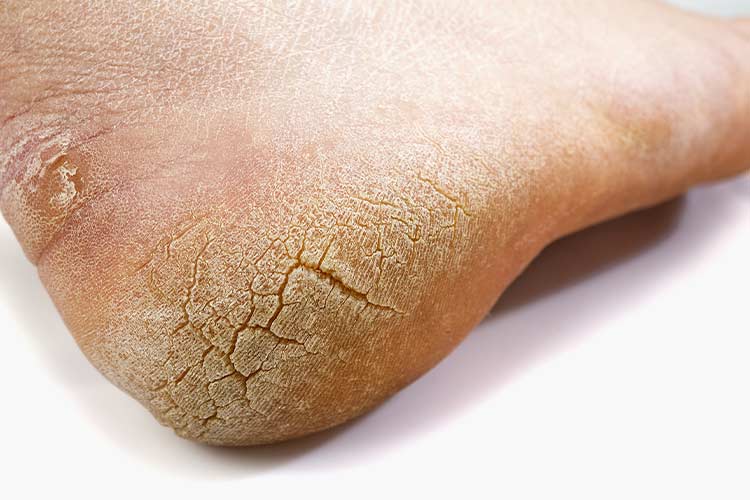
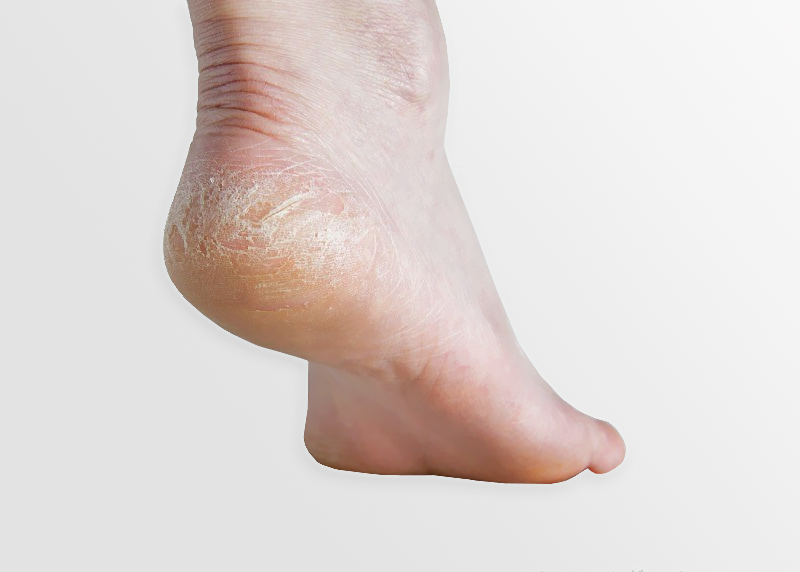
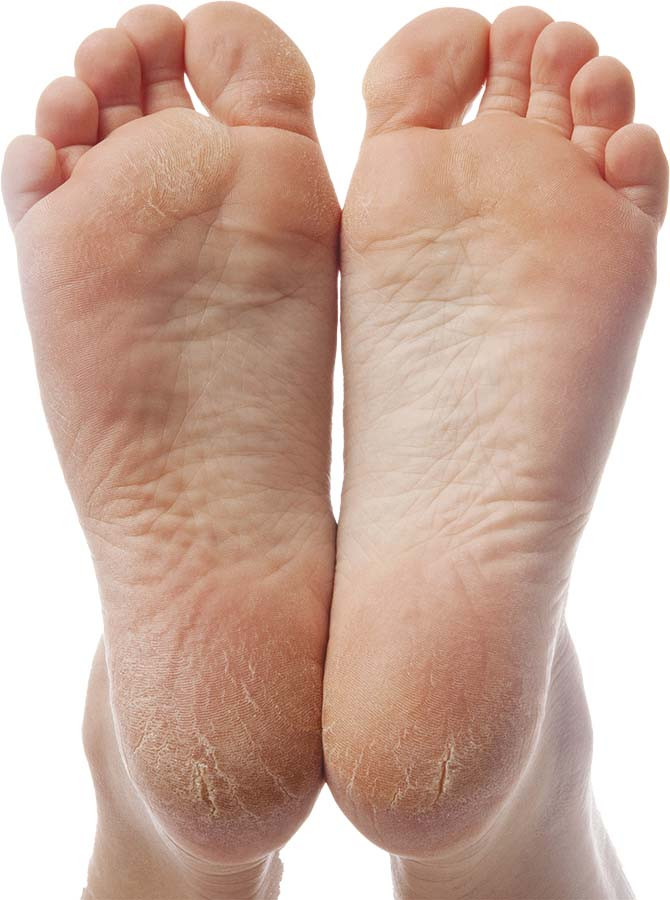
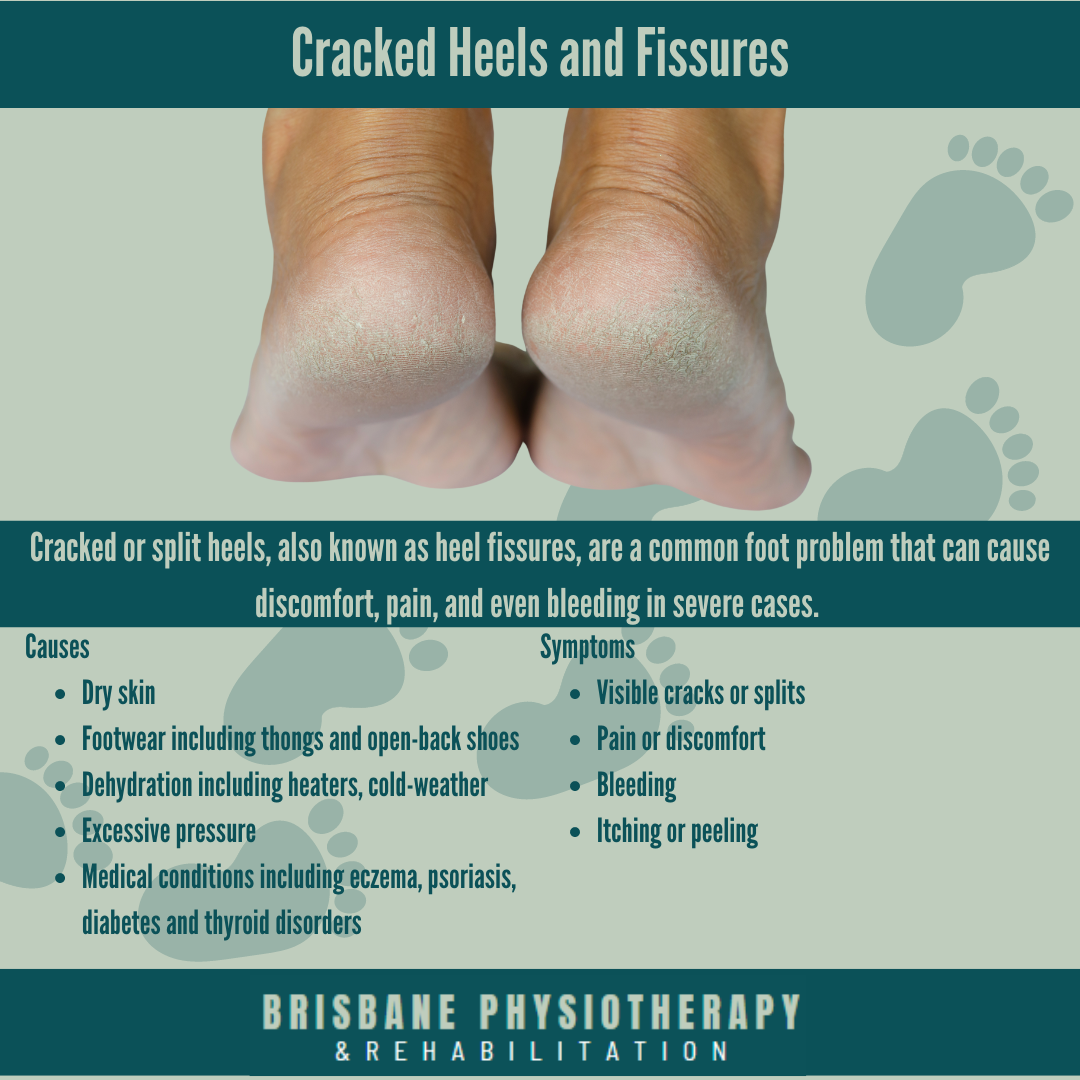
Dry, cracked heels are a common issue that can cause discomfort and, if left untreated, may lead to more serious complications. Understanding the causes and implementing preventive measures can help maintain healthy feet.Mayo Clinic News Network+4Allure+4American Academy of Dermatology+4American Academy of Dermatology
🦶 What Causes Dry, Cracked Heels?
- Lack of Moisture: The skin on your feet is naturally drier than other parts of your body because it lacks oil glands. Without adequate moisture, the skin can become dry and prone to cracking. Welcome to NIVEA home+1SELF+1
- Pressure and Weight: Standing for prolonged periods or carrying excess weight increases pressure on the heels, leading to thickening and potential cracking of the skin. WebMD+2Welcome to NIVEA home+2Well Heeled Podiatry+2
- Footwear Choices: Wearing open-backed shoes, such as sandals or flip-flops, exposes the heels to the elements, increasing the risk of dryness and cracking. Well Heeled Podiatry
- Environmental Factors: Cold, dry weather, especially during winter, can strip moisture from the skin. Indoor heating further exacerbates this by reducing humidity levels. American Academy of Dermatologyaffc.com+1Mayo Clinic News Network+1
- Medical Conditions: Conditions like diabetes, eczema, psoriasis, and fungal infections can compromise skin integrity, making heels more susceptible to cracking. Well Heeled Podiatry+2SELF+2Byrdie+2
🛠️ Prevention and Treatment Tips
- Moisturize Regularly: Apply a thick moisturizer containing urea, salicylic acid, or alpha hydroxy acids to your heels after bathing to lock in moisture. affc.com+2American Academy of Dermatology+2American Academy of Dermatology+2
- Exfoliate Gently: Use a pumice stone or foot file to remove dead skin, but avoid over-exfoliating, which can worsen dryness.
- Wear Supportive Footwear: Choose shoes that provide adequate support and cushioning to reduce pressure on the heels. Well Heeled Podiatry
- Use Humidifiers: Adding moisture to the air can help prevent skin from drying out, especially in heated indoor environments. Mayo Clinic News Network
- Protect Cracked Skin: Apply a liquid bandage over cracks to protect them from infection and promote healing. Welcome to NIVEA home+4American Academy of Dermatology+4American Academy of Dermatology+4
🩺 When to Seek Medical Attention
If your cracked heels are severe, painful, or show signs of infection (such as redness, swelling, or pus), it's important to consult a healthcare professional. Conditions like diabetes can complicate foot issues, making professional evaluation crucial.
By understanding the causes and implementing preventive measures, you can maintain healthy, comfortable heels year-round.SELF+8thetimes.co.uk+8American Academy of Dermatology+8
Sources