
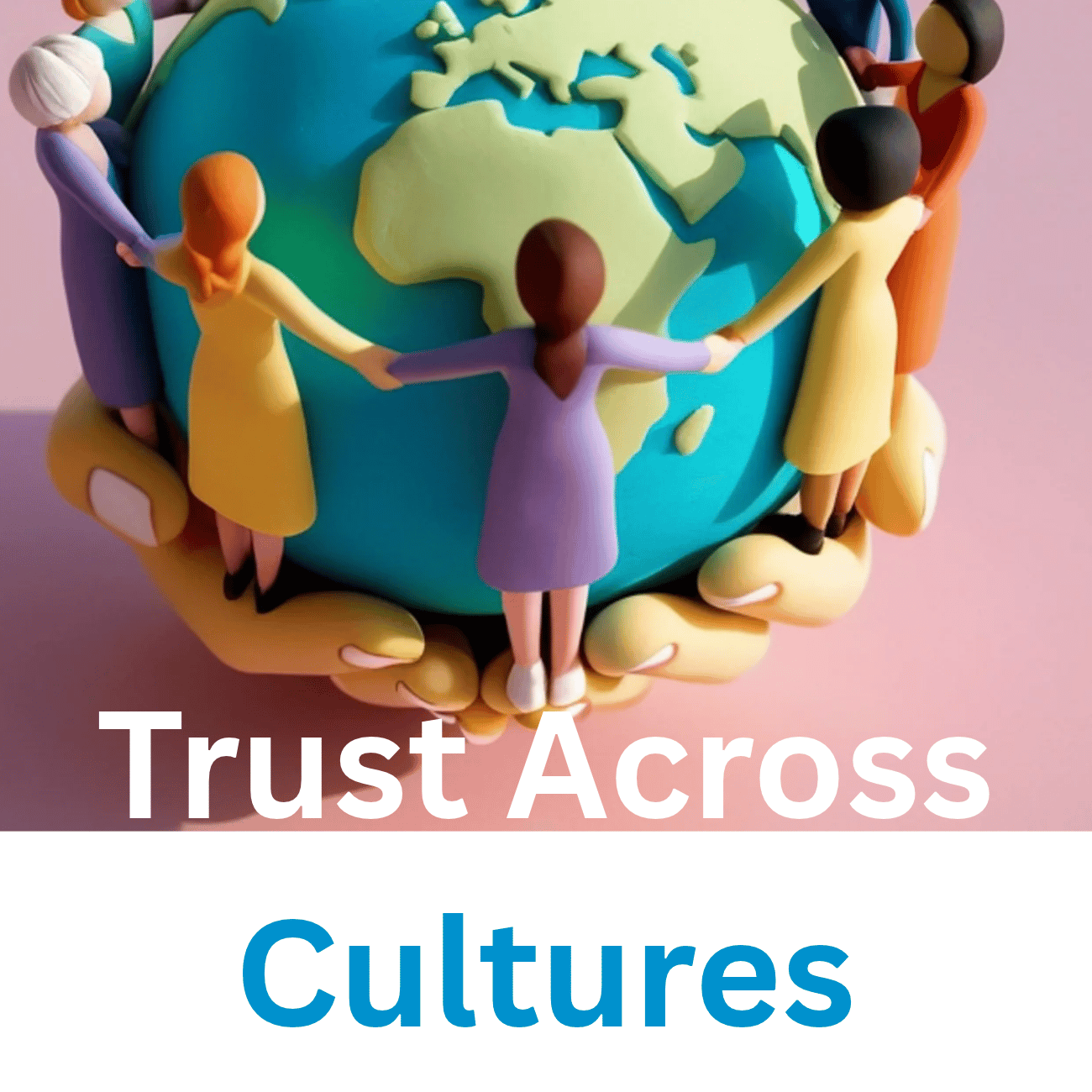
Building relationships is essential for successful international collaboration. Most professionals understand the importance of establishing rapport, strengthening connections, and getting to know their international counterparts.
However, building trust is not a one-size-fits-all process. Different cultures have different expectations about how trust is established, demonstrated, and maintained. What works in one cultural context may not necessarily work in another.
So, how can you build stronger relationships and develop trust across cultures?
1. Understand That Trust Is a Two-Way Street
Building trust is not just about becoming trustworthy in the eyes of others. It is also about understanding whether you can trust them.
Curiosity, empathy, authenticity, consistency, and clear communication all contribute to trusting relationships. Keeping your promises, clarifying expectations, and being transparent about your intentions can strengthen professional relationships.
However, the way you demonstrate these qualities may vary across cultures. Cultural intelligence helps you recognise these differences and adapt your behaviour without losing your authenticity.
2. Recognise Different Approaches to Relationship-Building
How much time do you invest in getting to know someone before discussing business?
In some cultures, building a personal connection is an important first step towards successful collaboration.
Networking, informal conversations, and introductions through trusted contacts can help establish credibility and open doors to new opportunities.
In other business environments, demonstrating competence, delivering results, and meeting deadlines may be the primary ways to build trust.
Neither approach is inherently better. The key is to understand your counterparts' expectations and recognise that people may approach relationship-building at different speeds.
3. Understand Your Colleagues' Expectations
Imagine working with a manager who values punctuality, direct communication, and regular progress updates. You may prefer a more flexible approach or communicate disagreement less directly.
Without understanding these differences, misunderstandings can arise. Your manager might interpret your behaviour as a lack of commitment, while you might perceive their approach as unnecessarily demanding.
The problem may not be a lack of trust or good intentions, but different expectations of what professional behaviour looks like.
Ask yourself:
- Do my colleagues expect regular updates or greater independence?
- Do they prefer direct answers or a more diplomatic approach?
- How do they interpret silence, disagreement, and uncertainty?
You do not have to change who you are, but you may need to adjust how you communicate.
4. Build Trust Within Multicultural Teams
People from different cultural backgrounds may have different expectations about decision-making, giving feedback, expressing disagreement, and taking initiative.
For example, one colleague may see frequent progress updates as a sign of good collaboration, while another may interpret them as a lack of trust.
As a manager or team leader, you can prevent unnecessary friction by establishing shared expectations.
Discuss how decisions will be made, how often team members should communicate, and what accountability looks like.
At the same time, remember that trust also requires autonomy, mutual respect, and an environment where people feel comfortable sharing their ideas and concerns.
5. Remember That Trust Needs to Be Maintained
Building trust is not a one-off activity. Professional relationships require ongoing attention.
Regular check-ins, open conversations, and opportunities to connect beyond immediate work tasks can help strengthen relationships. However, not everyone feels comfortable with the same forms of social interaction, so it is important to create inclusive opportunities for colleagues to connect.
Ultimately, trust grows when people feel respected, understood, and confident that they can rely on one another.
Final Thoughts: Build Relationships, Strengthen Collaboration
Building trust across cultures requires more than cultural awareness. It takes curiosity, empathy, consistency, and a willingness to understand different perspectives.
The next time you work with an international colleague, manager, or customer, consider three questions:
- What does this person need from me to feel confident working with me?
- How might they interpret my communication and behaviour?
- What can I do to strengthen our relationship and build mutual trust?
Sometimes, a small adjustment in your behaviour can make a significant difference.
Successful global collaboration starts with building relationships, understanding cultural differences, and creating the trust that allows people to work together effectively.
Happy cross-cultural interactions!
Until next time,
Monika Brabers
Would you like to become more confident and effective in cross-cultural communication? Feel free to contact me at Cursus zakelijk Engels in Den Bosch - 1-op-1 Lessen | Fluency & Beyond