
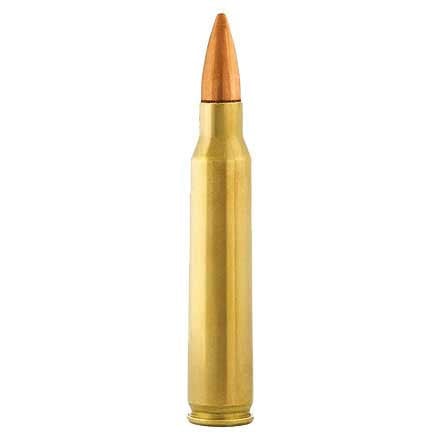
A single damaged round can turn a normal shooting session into a serious safety concern. Many shooters spend time cleaning their firearms but forget that ammunition also needs regular inspection. A quick check before loading can help identify problems before they become risks.
From AAC 300 blackout ammo 220 grain to other rifle cartridges, every round should be checked before use. Ammunition condition plays an important role in safe and consistent performance. Brass Kisses provides quality ammunition options while helping shooters understand the importance of proper handling and storage.
Why Checking Your Ammunition Matters
Ammunition is built to perform under specific conditions. However, exposure to moisture, heat, dirt, or poor storage can affect its condition over time. Even a small issue with the casing, primer, or bullet can impact how a round functions.
A good habit is simple: if a cartridge looks unusual, feels different, or shows signs of damage, take a closer look before using it.
1. Damaged or Dented Casings
The casing protects the primer, powder, and bullet, so its condition matters. Deep dents, cracks, splits, or serious damage may affect how a cartridge works. Small marks can happen during handling, but major damage can prevent smooth feeding or proper extraction.
A damaged casing may also impact safety and performance. If you notice a round that looks different from the others, it is best to separate it and inspect it before deciding to use it.
2. Signs of Rust or Corrosion
Moisture exposure can slowly harm ammunition and reduce its reliability. Rust or corrosion on the casing, bullet, or primer area may show that a round was stored in poor conditions.
While minor discoloration does not always mean a cartridge is unsafe, heavy corrosion can weaken important parts. Ammunition should be kept in a cool, dry place away from moisture. Proper storage helps maintain the condition and performance of your rounds over time.
3. Loose or Misaligned Bullets
A bullet should stay firmly seated inside the casing. If it looks loose, pushed too far into the case, or pulled away from its normal position, the round should not be used. Incorrect bullet placement can affect accuracy, reliability, and overall function.
This is especially important for ammunition types like 300 blackout subsonic FMJ ammo, where proper construction helps support consistent cycling. Always check that bullets appear properly aligned before loading.
4. Damaged Primers
The primer plays a key role because it starts the firing process when struck by the firearm. Inspect cartridges for primers that appear crushed, damaged, missing, or placed incorrectly. A damaged primer can lead to firing problems and should never be ignored. Avoid trying to repair or adjust a damaged cartridge yourself. If a round shows signs of primer issues, it is safer to remove it from your ammunition supply and replace it.
5. Unusual Sounds From the Cartridge
Ammunition should feel secure and consistent when handled. If a cartridge makes a rattling sound or feels different compared to other rounds in the same box, it may have an internal problem. Loose components or changes inside the cartridge can affect how it performs.
While checking your ammunition, pay attention to anything unusual. If a round seems different from the rest, set it aside and avoid using it until it has been properly inspected.
6. Ammunition Stored in Poor Conditions
Ammunition does not become unsafe simply because it is old. Many rounds can remain reliable for years when they are stored correctly. However, exposure to humidity, heat, sunlight, or changing temperatures can affect their condition.
Before using older ammunition, inspect it carefully for damage or corrosion. Keeping cartridges in a dry and stable environment helps protect their quality. Good storage habits can help extend ammunition life and maintain dependable performance.
7. Misfires or Unexpected Performance
A misfire is a clear warning that something may not be working correctly. If a round fails to fire or performs differently than expected, take the situation seriously and follow proper firearm safety practices.
Other signs include unusual sounds, weak performance, or inconsistent results between shots. These issues may point to ammunition problems that need attention. Never ignore changes in how your rounds perform, as they can indicate a possible safety concern.
Safe Shooting Starts With Careful Checks
Ammunition safety begins before you load your firearm. Regular inspections, proper storage, and responsible handling can help reduce avoidable problems. So, before your next range session, take a few extra minutes to check your ammunition. Look for damage, unusual changes, and storage issues. That small step can make a big difference.
When it comes to ammunition, a careful approach is always worth the effort. A quick inspection today can help you avoid problems when it matters most.