
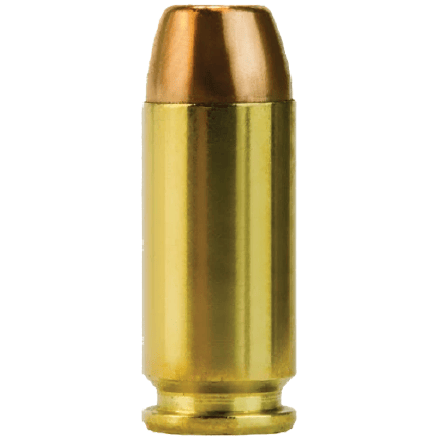
A lot of talk happens around reused ammunition in shooting circles. Some say it is unsafe. Some say it is low quality. Others avoid it completely without trying it. Most of these ideas come from confusion, not real experience. That is why remanufactured ammo often gets misunderstood.
In reality, remanufactured ammo is commonly used for range practice, training sessions, and high-volume shooting. It is built using inspected and reused brass, then loaded under controlled steps. The goal is simple: safe function and steady performance for practice use.
Let’s break down the most common myths in simple language.
Myth 1: It is unsafe to use
This is the biggest concern many shooters have. The idea is that reused brass automatically means danger. That is not true.
Modern remanufacturing includes proper checks. Brass cases are cleaned, inspected, and sorted before reuse. Damaged or weak cases are removed. Powder and primers are added in controlled amounts to keep pressure within safe limits.
Most safety issues people hear about are linked to poor-quality sources, not properly made ammunition. When produced under standard processes, remanufactured rounds are used safely in many training environments.
Myth 2: It is not accurate
Some shooters believe reused brass leads to poor accuracy. That is not how it works.
For most range practice, small changes in grouping happen even with brand-new factory ammo. Accuracy depends more on shooter skill, firearm condition, and consistency in loading.
Many people use remanufactured ammo for drills, target shooting, and practice because it performs well enough for real training needs. The aim is repeatable results, not match-grade competition accuracy.
Myth 3: It damages guns
Another common belief is that remanufactured rounds damage barrels or firearm parts. This is not true. Most firearm wear comes from total shooting volume, not from reused or new brass.
Properly loaded remanufactured ammo follows safe pressure levels similar to factory-made rounds. When made correctly, it performs smoothly during regular use.
Many instructors also choose it for training classes because it supports long shooting sessions without adding extra stress on the firearm or affecting reliability.
Myth 4: It is only for beginners
Some think only new shooters use it, but that is not true. Experienced shooters also use it for regular practice.
Competitive shooters fire high round counts during training. Their focus stays on repetition and control. Skills like grip, stance, trigger press, and reload speed matter more than premium bullet types.
That is why remanufactured ammo is a practical choice for consistent training sessions and improving shooting performance over time.
Myth 5: Quality is always low
People often assume lower price means lower quality. That is not always true. Quality depends on the production process. Good remanufactured rounds go through steps like:
ü Brass cleaning and inspection
ü Sorting usable cases
ü Careful powder measurement
ü Primer placement checks
ü Final inspection before packaging
These steps help maintain steady performance during range use. The result is ammunition that works well for practice without unnecessary cost.
Where It Actually Fits in Shooting Practice
This type of ammo is mainly used for:
● Range training
● Recoil control practice
● Defensive drills
● Skill-building exercises
For example, shooters who regularly shop 10mm 180gr JHP ammo for specific defensive training often pair it with practice rounds for regular range work. JHP rounds may be used for focused drills, while remanufactured rounds help with high-repetition sessions.
This combination helps shooters balance cost and training needs.
Why Confusion Still Exists
A big reason myths continue is old information. One bad experience or outdated post can spread quickly online. That creates fear around something many people have not actually used.
Another issue is the word “remanufactured.” It sounds technical, and sometimes people assume it means unsafe or low-grade. In reality, it simply means reused brass is part of the production process.
When It Makes Sense to Use It
Remanufactured ammo is most useful when the goal is repetition. It works well for:
● Learning basic shooting control
● Practicing aim and accuracy
● Training reload speed
● Building muscle memory
It is not meant to replace every type of ammo. Instead, it supports regular practice where volume matters more than specialty performance.
Final Takeaway
Most concerns around remanufactured ammo come from misunderstanding, not real-world shooting experience. When made properly, it offers steady performance for training and range use.
It is not a replacement for premium defensive or competition rounds. It is a practical option for shooters who want consistent practice without high cost. For many, it becomes a reliable part of regular training routines and helps build better shooting habits over time.