
As our cities grow and change, finding innovative safety solutions to protect both pedestrians and drivers becomes ever more crucial. Dynamic speed control stands out as one of these breakthroughs—it's an intelligent system that manages vehicle speeds in real-time. Particularly in busy zones like loading areas, where people frequently interact with vehicles, these systems can significantly boost safety and efficiency. This article delves into the concept of dynamic speed control, highlighting its significance, applications, and anticipated trends, while offering insights into how businesses can incorporate these technologies to foster a safer environment.
What is Dynamic Speed Control?
Dynamic speed control comprises technologies that actively regulate vehicle speeds based on current environmental conditions. By harnessing data on traffic density, pedestrian movement, and established safety parameters, dynamic speed control systems ensure that vehicles maintain safe speeds in sensitive areas.
These systems rely on advanced technologies such as:
- Sensors: They keep an eye on activity in real-time.
- Radar: This detects speed and movement patterns effectively.
- Cameras: They provide visual information to enhance responsiveness.
Thanks to this sophisticated technology, adjustments to vehicle speeds can happen instantly, a vital feature in high-traffic areas like loading docks.
Why is Dynamic Speed Control Important?
By implementing dynamic speed control systems, we can drastically cut down on accidents in congested zones. Areas with a high volume of vehicles and pedestrians naturally heighten the risk of collisions. Here are some key benefits of these systems:
- Enhanced Safety Measures: With fewer accidents, the safety of both employees and customers is significantly improved.
- Compliance with Regulations: Many industries face strict safety rules. Adopting dynamic speed control can help organizations meet these requirements, reducing their liability risks.
- Operational Efficiency: By keeping speed limits in check, these systems help improve traffic flow within loading zones and similar spaces, ultimately boosting productivity.
Real-World Applications of Dynamic Speed Control
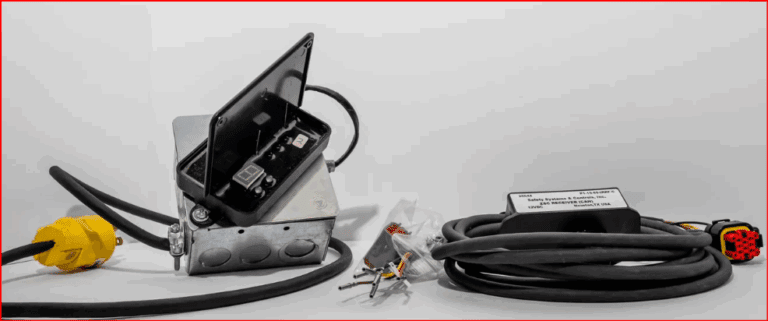
A great example of how businesses can weave dynamic speed control into their operations is the Pace One Zone Speed Control (ZSC) system. Tailored for bustling loading dock areas, the Pace One ZSC uses real-time monitoring to enforce maximum speed limits, cultivating a safer work environment.
Practical Applications:
- Loading Docks: In spaces where goods are moved around, keeping optimal speeds protects both staff and delivery personnel.
- Construction Sites: Dynamic speed controls can significantly enhance safety for workers in zones with heavy machinery.
- Retail Spaces: Applying dynamic speed technology in parking lots can help minimize potential accidents between cars and pedestrians.
The Technology Behind Dynamic Speed Control
The backbone of dynamic speed control systems is formed by advanced technologies. Here are several key components:
- Real-Time Monitoring: Sensors and cameras constantly assess traffic flow and pedestrian movements, allowing for swift adjustments to vehicle speeds.
- Data Analytics: The information gathered can be scrutinized to spot patterns in traffic behavior, leading to further improvements in safety.
- Integration with Smart City Initiatives: As urban areas adopt smarter technologies, dynamic speed control can effortlessly join forces with other intelligent systems, like traffic signals and surveillance cameras.
Future Trends in Speed Management
The future of traffic management is gearing up for automated solutions. As cities evolve into smarter entities, we're likely to see a surge in the use of dynamic speed control systems. Keep an eye out for these exciting innovations:
- Increased Use of AI: Artificial intelligence is poised to enhance how dynamic speed control systems make decisions, crafting more responsive environments guided by real-time data.
- Incorporation into Smart City Frameworks: As cities develop integrated transportation networks, dynamic speed controls will be paramount in managing urban speed limits for enhanced safety and efficiency.
- Public Awareness Campaigns: As safety technologies evolve, educating the public about the benefits and functionality of these systems will be vital for successful rollouts.
Conclusion
Dynamic speed control systems represent a major leap forward in ensuring safety in high-traffic environments. By grasping the importance of these systems and considering when and how to implement them, businesses can play a key role in creating safer spaces for employees and customers alike. As technology continues to progress, embracing innovations in speed management will not only enhance safety but also improve overall operational effectiveness.
In summary, investing in dynamic speed control solutions is a proactive step for organizations eager to minimize risks and elevate safety in bustling environments. The future of urban safety is upon us, and it’s high time we welcome these innovations for the greater good of our communities.