
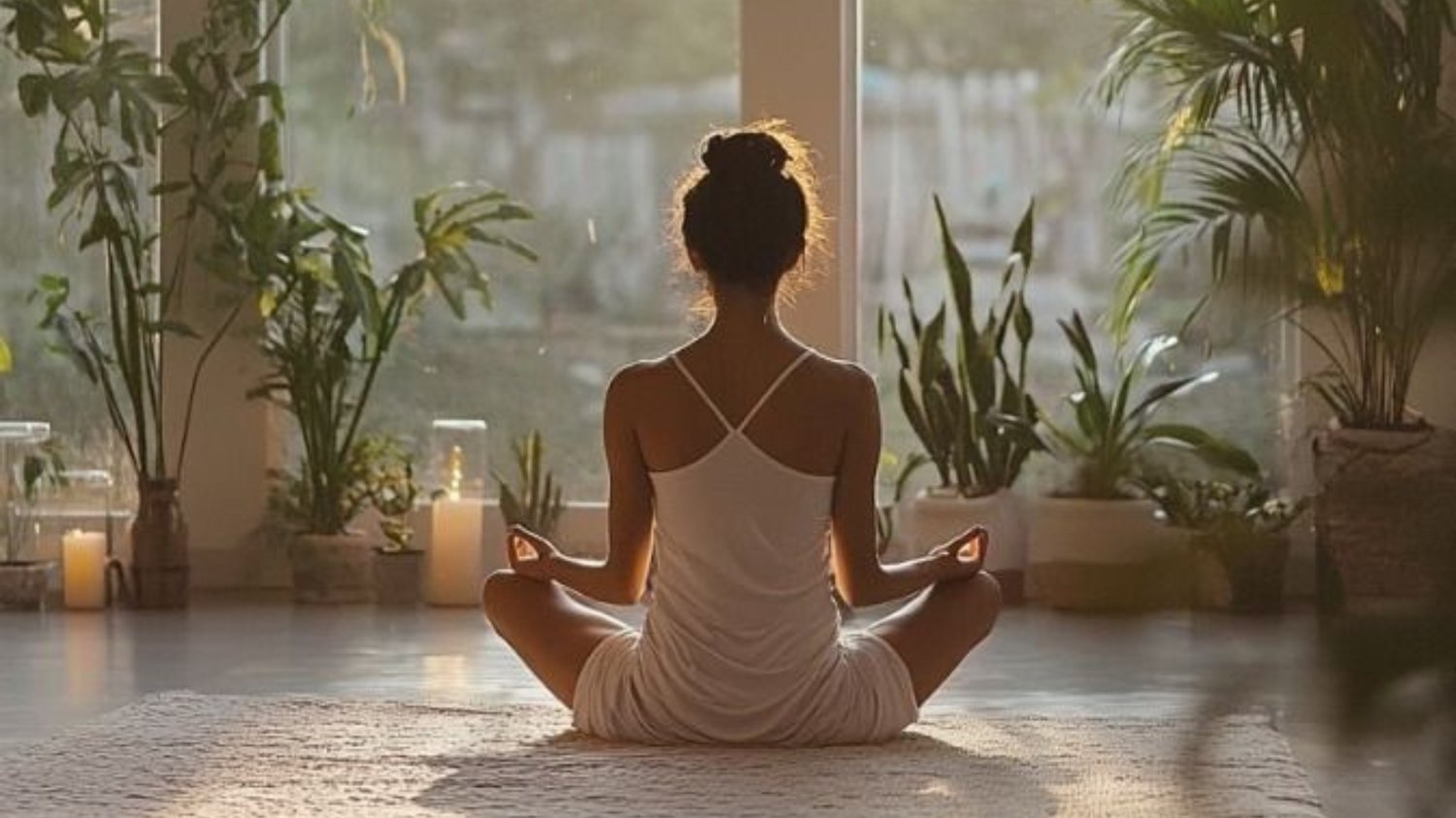
In a world that never stops buzzing—notifications pinging, emails flooding, deadlines looming—the idea of sitting still and doing "nothing" can feel almost radical. Yet meditation, an ancient practice that's been around for thousands of years, is experiencing a modern renaissance. And for good reason. In our overstimulated, always-on culture, meditation offers something we desperately need: a pause button for the mind.
What Is Meditation, Really?
Strip away the mysticism and incense-scented stereotypes, and meditation is surprisingly simple. At its essence, it's the practice of training your attention and awareness. It's about learning to observe your thoughts without getting swept away by them, cultivating a sense of presence, and creating space between stimulus and response.
Meditation isn't about emptying your mind or achieving some transcendent state of bliss (though those moments can happen). It's more like exercise for your brain—a way to build mental fitness, emotional resilience, and self-awareness. Just as you might go to the gym to strengthen your body, you meditate to strengthen your mind.
The Science-Backed Benefits
Meditation isn't just feel-good woo-woo. Decades of research have documented its profound effects on both mind and body. Regular meditation practice has been shown to reduce stress and anxiety, lower blood pressure, improve focus and concentration, enhance emotional regulation, and even change the physical structure of your brain.
Studies using brain imaging have revealed that meditation increases gray matter density in regions associated with learning, memory, and emotional regulation. It can actually shrink the amygdala, the brain's fear center, while strengthening the prefrontal cortex, which governs decision-making and self-control. In practical terms, this means you become less reactive and more thoughtful in how you respond to life's challenges.
Beyond the brain, meditation impacts your entire body. It activates the parasympathetic nervous system, triggering the relaxation response that counteracts stress. Regular practitioners often report better sleep, reduced chronic pain, improved immune function, and a greater overall sense of wellbeing.
Different Paths, Same Destination
One of the beautiful things about meditation is that there's no single "right" way to do it. Various traditions and techniques exist, each with its own flavor and focus.
Mindfulness meditation is perhaps the most popular in the West. It involves paying attention to the present moment without judgment, often by focusing on your breath or bodily sensations. When your mind wanders (and it will), you simply notice and gently return your attention to your anchor point.
Loving-kindness meditation (or metta) cultivates compassion and goodwill, first toward yourself, then expanding outward to loved ones, acquaintances, and eventually all beings. It's particularly helpful for those struggling with self-criticism or relationship difficulties.
Transcendental meditation uses a personal mantra—a specific sound or phrase—repeated silently to settle the mind into a state of restful awareness. Practitioners typically meditate for 20 minutes twice daily.
Body scan meditation involves systematically bringing attention to different parts of your body, noticing sensations without trying to change them. It's excellent for developing body awareness and releasing physical tension.
Walking meditation brings mindfulness to movement, making it perfect for those who find sitting still challenging. You focus on the physical sensations of walking—the feeling of your feet touching the ground, the rhythm of your steps.
Getting Started: A Practical Approach
The biggest obstacle to meditation isn't technique—it's simply starting. Here's how to make it happen:
Start Small
Forget about hour-long meditation marathons. Begin with just five minutes a day. Yes, five minutes. This makes the practice feel manageable and helps you build the habit without overwhelming yourself. Once five minutes feels comfortable, gradually increase the duration.
Create a Space
You don't need a dedicated meditation room or fancy cushions, but having a consistent spot helps signal to your brain that it's time to practice. A corner of your bedroom, a comfortable chair, even your parked car before work can become your meditation space.
Choose a Time
Consistency matters more than perfection. Many people find mornings ideal because the mind is fresh and you're less likely to get derailed by the day's events. Others prefer evenings as a way to decompress. Experiment to find what works for you.
Focus on Your Breath
When you're ready to meditate, sit comfortably with your spine relatively straight. Close your eyes or lower your gaze. Bring your attention to your breath—the sensation of air entering and leaving your nostrils, the rise and fall of your chest or belly. Don't try to control your breathing; just observe it.
Expect Your Mind to Wander
Here's the secret that beginners often don't realize: your mind is supposed to wander. That's not failure—that's actually the practice. Every time you notice your mind has drifted and you bring it back to your breath, you're strengthening your attention muscles. The wandering isn't a bug; it's a feature.
Use Guided Meditations
Apps like Headspace, Calm, Insight Timer, and Ten Percent Happier offer guided meditations that walk you through the process. This can be incredibly helpful when you're starting out and unsure what to do.
Overcoming Common Obstacles
"I don't have time." You have time for social media scrolling, don't you? Meditation doesn't require large time blocks. Five minutes is enough to make a difference. Consider it an investment that pays dividends in clarity and calm throughout your day.
"I can't stop thinking." Good news: you're not supposed to. The goal isn't to stop thoughts but to change your relationship with them. You learn to observe thoughts as passing mental events rather than absolute truths you must believe or act on.
"I'm too restless to sit still." Try walking meditation, yoga, or even mindful dishwashing. Meditation doesn't require perfect stillness. It requires attention. Find a form that suits your temperament.
"I'm not doing it right." There's no meditation police. If you're showing up and making an effort to be present, you're doing it right. Let go of perfectionism and trust the process.
Beyond the Cushion
The real power of meditation reveals itself not during your practice but in your daily life. You'll notice you're less reactive when someone cuts you off in traffic. You pause before responding to a provocative email. You savor your morning coffee instead of gulping it down mindlessly. You're more present with loved ones, more aware of your emotional patterns, more capable of choosing your response rather than being hijacked by automatic reactions.
Meditation isn't about escaping life—it's about showing up more fully for it. It's about reclaiming your attention from the thousand things competing for it and directing it where you choose. In a world designed to fragment your focus and hijack your awareness, that's a revolutionary act.
The Invitation
You don't need to believe in anything to meditate. You don't need to be spiritual, flexible, or patient. You just need to be willing to try. Five minutes today. Just five minutes of sitting with yourself, breathing, noticing. That's all.
The transformation won't be immediate or dramatic. But gradually, quietly, something shifts. You become less at war with yourself and the world. You find pockets of peace in the midst of chaos. You remember what it feels like to simply be, without constantly doing.
In a culture that glorifies busyness and productivity, meditation is a gentle rebellion. It says: I'm enough as I am. This moment is enough as it is. And sometimes, the most productive thing we can do is nothing at all.
Comments ()