
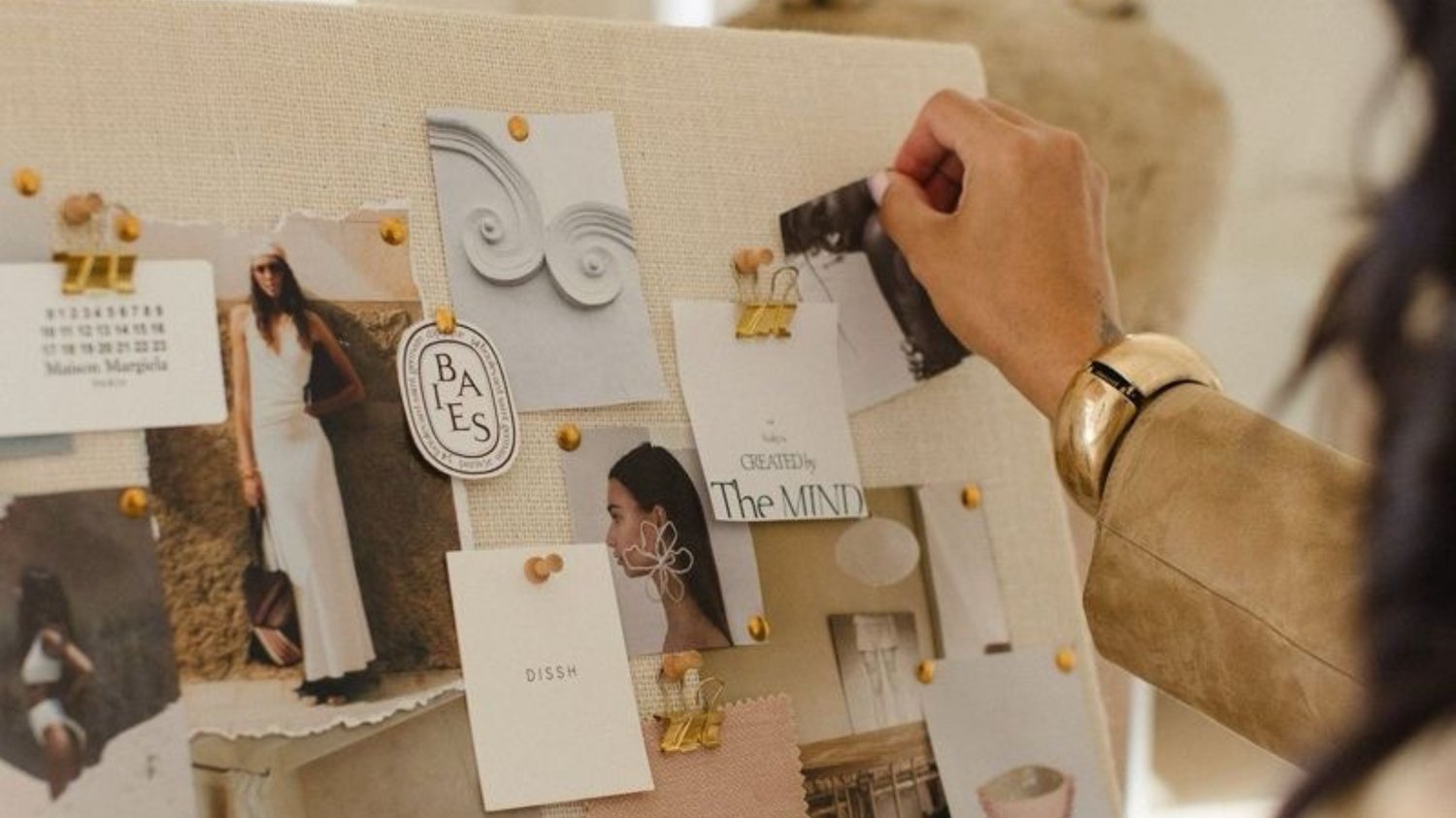
Have you ever felt like your goals are floating somewhere in the abstract corners of your mind, never quite materializing into reality? You're not alone. Many of us struggle to transform our aspirations from fleeting thoughts into tangible achievements. Enter the vision board—a deceptively simple yet remarkably powerful tool that bridges the gap between imagination and action.
What Exactly Is a Vision Board?
At its core, a vision board is a visual representation of your goals, dreams, and desires. It's a collage of images, words, quotes, and symbols arranged on a board (physical or digital) that captures what you want to achieve, experience, or become. Think of it as a creative mood board for your life—a constant visual reminder of where you're headed and why it matters.
The concept isn't new. For decades, athletes, entrepreneurs, and high achievers have used visualization techniques to enhance performance and maintain focus. A vision board simply makes this practice tangible, giving your brain something concrete to latch onto.
Why Vision Boards Actually Work
There's real psychology behind why vision boards can be effective. When you regularly expose yourself to visual representations of your goals, you activate your brain's reticular activating system (RAS). This neural network acts as a filter, helping you notice opportunities, resources, and pathways that align with your objectives. Suddenly, that networking event you might have skipped seems relevant. That course you were on the fence about feels necessary.
Beyond neuroscience, vision boards tap into the power of intention. The act of creating one forces you to clarify what you actually want. It's one thing to vaguely wish for "career success" or "better health." It's another to sit down, flip through magazines or search online, and identify specific images that resonate with your definition of these goals. This process alone provides valuable clarity.
Creating Your Vision Board: A Practical Guide
1. Get Clear on Your Goals
Before you start cutting and pasting, take time to reflect. What areas of your life do you want to focus on? Career, relationships, health, personal growth, travel, finances? Write down specific goals for each area. The more specific you are, the more powerful your board will be.
2. Gather Your Materials
For a physical board, you'll need a poster board or cork board, magazines, printed images, scissors, glue, markers, and any personal items like photos or tickets. For a digital version, platforms like Pinterest, Canva, or specialized vision board apps work beautifully. If you want to skip the design work and jump straight to creating your vision, go and get my editable vision board templates on Canva for both phone and desktop on my Payhip shop , perfect for getting started quickly with a professional layout.
3. Collect Images and Words
This is the fun part. Look for images that genuinely spark emotion in you. Don't just grab generic success imagery—find visuals that make you feel something. A peaceful beach if you're craving rest, a packed auditorium if you dream of public speaking, a vibrant farmers market if you want to eat healthier. Include words and phrases that motivate you.
4. Arrange and Create
There's no wrong way to organize your board. Some people group by life category, others create a free-flowing collage, and some prefer a clean, minimalist approach. Trust your intuition. The process should feel creative and energizing, not stressful.
5. Place It Somewhere Visible
This is crucial. Your vision board only works if you actually see it regularly. Put it in your bedroom, office, or anywhere you'll encounter it daily. If it's digital, make it your phone or computer wallpaper.
Beyond the Board: Making It Work
Here's where many people stumble: they create a beautiful vision board, feel inspired for a week, and then forget about it. To truly harness its power, you need to engage with it actively.
Spend a few minutes each morning or evening looking at your board. Visualize yourself achieving these goals. Feel the emotions associated with success. Then—and this is key—take action. A vision board isn't a magic wishing well; it's a compass. It shows you the direction, but you still have to walk the path.
Review and update your board periodically. As you achieve goals, celebrate them and add new ones. As your priorities shift, let your board evolve. This keeps it relevant and maintains your emotional connection to it.
The Critics and the Skeptics
Not everyone is convinced. Critics argue that vision boards promote wishful thinking without action. And they're not entirely wrong—if all you do is stare at pictures and hope for the best, you're practicing daydreaming, not goal-setting.
The key is to use your vision board as a starting point, not a destination. It should inspire action, inform decisions, and remind you of your "why" when things get difficult. Combined with concrete planning, consistent effort, and adaptability, vision boards can be a valuable tool in your personal development toolkit.
The Bottom Line
Whether you're a creative soul who loves crafting or a pragmatic planner who needs visual organization, a vision board can serve you. It's not about the board itself—it's about the clarity, intention, and daily reminder it provides. In a world full of distractions and competing priorities, having a visual anchor for your deepest goals can make all the difference.
So grab some magazines, open Pinterest, or break out the art supplies. Spend an afternoon dreaming on paper or get my editable vision board templates on Canva and start easily . You might be surprised at what becomes possible when you can actually see where you're going.
Comments ()