
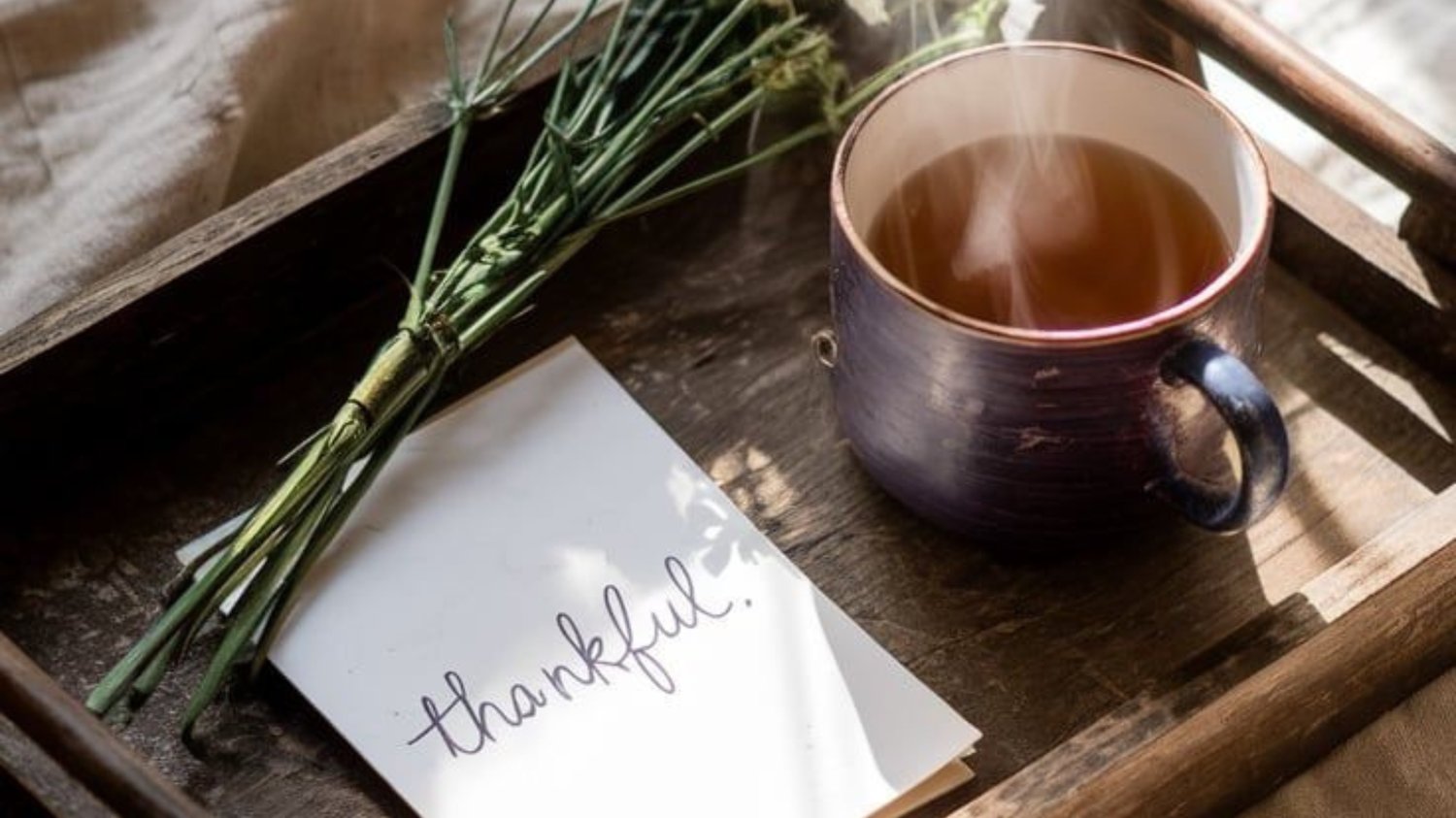
The Simple Practice That Transforms Everything
There's a quiet revolution happening in the lives of people who've discovered one of life's most powerful secrets: gratitude isn't just a nice-to-have feeling—it's a life-altering practice that fundamentally rewires how you experience the world.
In a culture obsessed with what we lack, what we want, and what we haven't achieved yet, gratitude offers a radical shift in perspective. It's the antidote to the never-ending cycle of striving and dissatisfaction. It's the bridge between where you are and where you want to be. And perhaps most surprisingly, it's accessible to anyone, anytime, anywhere.
Gratitude isn't about toxic positivity or ignoring real struggles. It's about training your brain to notice the good that already exists in your life—the blessings both big and small that are so easy to overlook when we're caught up in daily chaos.
In this post, we're exploring the science-backed reasons why gratitude is one of the most transformative practices you can adopt, and I'm sharing practical exercises that will help you weave gratitude into the fabric of your daily life.
The Science Behind Gratitude
How Gratitude Rewires Your Brain
When you practice gratitude, something remarkable happens in your brain. Your neural pathways literally begin to rewire, creating new patterns of thinking that become easier to access over time.
Neuroscientific research shows that regularly practicing gratitude increases activity in the prefrontal cortex—the part of your brain responsible for decision-making, planning, and positive emotion. Simultaneously, it reduces activity in the amygdala, your brain's alarm system. In other words, gratitude calms your nervous system and helps you think more clearly.
The more you practice gratitude, the more natural it becomes. Your brain doesn't just remember to feel grateful—it actively starts seeking out things to be grateful for. This is the power of neuroplasticity: your brain adapts to where you direct your attention.
The Dopamine Connection
Gratitude triggers the release of dopamine, the "feel-good" neurotransmitter associated with happiness, motivation, and reward. When you feel grateful, your brain releases dopamine, which not only makes you feel good in the moment but also reinforces the behavior. This creates a positive feedback loop: gratitude leads to dopamine release, which makes you want to practice gratitude more, which leads to more dopamine.
This is why gratitude practices are so powerful—they're literally rewarding your brain for noticing the good.
Stress Reduction and Physical Health
Studies have shown that people who practice gratitude have lower cortisol levels (your stress hormone). They experience less anxiety, better sleep quality, and improved overall physical health. Gratitude strengthens your immune system, lowers blood pressure, and even reduces inflammation in the body.
When you're grateful, your body shifts from a stressed state to a relaxed state. Your nervous system calms down, allowing your body to heal and restore itself. This is why gratitude isn't just good for your mind—it's transformative for your entire physical being.
Why Gratitude Changes Everything
1. Shifts Your Perspective
Gratitude is a perspective shifter. It forces you to look at your life through a different lens. Instead of focusing on what's wrong, broken, or missing, you start noticing what's right, whole, and present.
This shift isn't about denying challenges or pretending everything is perfect. It's about recognizing that even in difficult circumstances, there are things to appreciate. A challenging job that's teaching you resilience. A difficult relationship that's helping you set boundaries. A health struggle that's making you appreciate your body more.
When your perspective shifts, your entire experience of life shifts with it.
2. Increases Happiness and Life Satisfaction
One of the most direct effects of gratitude is increased happiness. When you're actively noticing the good in your life, you naturally feel happier. It's almost impossible to feel miserable while genuinely appreciating something.
Research shows that people who practice gratitude regularly report higher levels of life satisfaction, greater optimism, and more positive emotions overall. Gratitude isn't just a temporary mood boost—it creates lasting increases in well-being.
3. Improves Relationships
Gratitude transforms your relationships. When you appreciate the people in your life and express that appreciation, you deepen your connections. People feel valued, seen, and loved when you're genuinely grateful for them.
Gratitude also reduces resentment and negativity in relationships. Instead of focusing on what someone did wrong, you're focusing on what they did right. This doesn't mean ignoring problems, but it does mean approaching them from a place of appreciation rather than criticism.
4. Builds Resilience
People who practice gratitude are more resilient. They bounce back from setbacks faster because they maintain a broader perspective. Even during difficult times, they can find things to be grateful for, which helps them navigate challenges with more grace and strength.
Gratitude reminds you that even in hard seasons, there are things to hold onto. This becomes your anchor during storms.
5. Accelerates Goal Achievement
It might sound counterintuitive, but gratitude actually accelerates goal achievement. When you're grateful for what you have, you enter a state of abundance rather than scarcity. This abundance mindset is far more conducive to taking inspired action and making bold moves toward your goals.
Additionally, gratitude keeps you motivated. When you notice progress and appreciate how far you've come, you stay inspired to keep going. You're less likely to give up when you're focused on what you've already achieved rather than how far you still have to go.
6. Enhances Mental Health
Gratitude is a powerful tool for managing anxiety, depression, and other mental health challenges. It doesn't replace professional mental health treatment, but it's an excellent complement to therapy and other mental health practices.
When you're in a grateful state, it's nearly impossible to simultaneously feel anxious or depressed. Gratitude activates the parts of your brain associated with well-being and deactivates the parts associated with distress.
7. Creates an Abundance Mindset
Perhaps the most transformative effect of gratitude is the shift from a scarcity mindset to an abundance mindset. A scarcity mindset says there isn't enough—not enough money, time, love, or opportunities. An abundance mindset recognizes that there is enough, and more is possible.
Gratitude trains your brain to see abundance. As you practice noticing what you have, you naturally begin believing that more is possible. This belief shapes your decisions, your actions, and ultimately, your reality.
Practical Gratitude Exercises to Transform Your Life
Exercise 1: The Gratitude Journal
Duration: 5-10 minutes daily Best Time: Morning or evening
This is the most powerful gratitude practice. Each day, write down three to five things you're grateful for. The key is to be specific and feel the gratitude as you write.
Instead of writing "I'm grateful for my family," write "I'm grateful for my mom's warm hug this morning—it made me feel loved and safe." The more specific and sensory you can be, the deeper the gratitude.
Variation: Once a week, write about one thing you're grateful for in depth. Describe it in detail, explain why it matters to you, and really feel the appreciation.
The 5-Minute Journal is a beautiful option if you want to make gratitude part of your daily ritual.
Exercise 2: The Gratitude Pause
Duration: 2-3 minutes, multiple times daily When to Do It: During transitions (morning, before bed, between meetings, etc.)
Pause whatever you're doing and take three deep breaths. Then mentally or verbally acknowledge three things you're grateful for in that moment. They can be as simple as your breath, the ground beneath your feet, or a warm cup of tea.
This practice trains your brain to notice gratitude throughout the day rather than just at scheduled times.
Exercise 3: The Gratitude Letter
Duration: 10-15 minutes, once monthly How Often: Once a month or whenever inspired
Write a detailed letter to someone you're deeply grateful for. Express specifically what you appreciate about them and how they've impacted your life. You don't have to send it, though you can if you feel called to.
This exercise deepens your relationships and amplifies your own gratitude practice. The act of writing forces you to really think about why you appreciate this person.
Exercise 4: Photo Gratitude
Duration: 5 minutes daily How It Works: Take or find a photo daily that represents something you're grateful for
It might be a photo of nature, a person you love, a meal that nourished you, or something that made you smile. Post it somewhere visible or in a gratitude folder on your phone. At the end of the month, review all your photos and notice the abundance in your life.
This makes gratitude visual and creates a beautiful record of what you appreciated throughout the month.
Exercise 5: The Gratitude Walk
Duration: 15-30 minutes When: Whenever you need a mood boost or perspective shift
Take a walk and intentionally notice things to be grateful for. It might be the way sunlight hits the leaves, the sound of birds, the strength of your legs that allow you to move, or someone who smiles at you. The goal is to walk with gratitude as your lens.
This combines movement, nature, and gratitude for a triple boost to your well-being.
Exercise 6: Gratitude in Challenges
Duration: 5-10 minutes When: Facing a difficult situation
When you're dealing with a challenge, ask yourself: "What can I be grateful for in this situation?" This isn't about pretending the challenge doesn't exist—it's about finding the growth opportunity, the lesson, or even just the silver lining.
Maybe you're grateful for your resilience, the support of loved ones, or the fact that this experience is temporary. This practice builds your capacity to find light even in darkness.
Exercise 7: The Gratitude Conversation
Duration: 10-15 minutes Frequency: Weekly
Spend time with someone you care about and share what you're grateful for—both about them and about your life in general. Ask them what they're grateful for. This creates connection and amplifies the benefits of gratitude through shared experience.
Exercise 8: Gratitude for Your Body
Duration: 5-10 minutes, 2-3 times weekly How It Works: Gratitude meditation for your body
Sit comfortably and bring attention to different parts of your body, expressing gratitude for what each part does for you. Be grateful for your hands that create, your heart that loves, your legs that move you through the world, your brain that thinks and dreams.
This practice transforms your relationship with your body from criticism to appreciation.
Exercise 9: The Abundance Inventory
Duration: 15-20 minutes, monthly How It Works: Create a comprehensive list of what you have
List everything you're grateful for: relationships, health, possessions, skills, experiences, opportunities. Make it long and detailed. Review this whenever you're feeling lack or scarcity, and remember all the abundance already present in your life.
Exercise 10: Gratitude Before Bed
Duration: 5 minutes When: Before sleep
Before sleeping, mentally review your day and identify moments to be grateful for. This sends your brain into sleep with positive, appreciative thoughts, improving sleep quality and setting a grateful tone for tomorrow.
How to Make Gratitude a Lasting Habit
Start Small
You don't need to do all ten exercises. Choose one or two that resonate with you and commit to them for 30 days. Consistency matters far more than quantity.
Anchor It to Existing Habits
Link your gratitude practice to something you already do daily. Practice gratitude while drinking your morning coffee, during your shower, or while brushing your teeth. This makes it easier to remember and maintain.
Track Your Practice
Use a habit tracker to mark off each day you practice gratitude. Seeing your consistency visually reinforces the habit and motivates you to continue.Download the one I use here to make your gratitude routine effortless.
Notice the Changes
Pay attention to how you feel, think, and act as you practice gratitude. Notice improvements in your mood, your relationships, your energy, and your overall sense of well-being. These observations will motivate you to keep going.
Be Patient and Compassionate
It takes time for gratitude to become your default way of thinking. Be patient with yourself. Some days will feel easier than others, and that's completely normal.
Mix It Up
Vary your gratitude practices to keep them fresh and engaging. Try a new exercise when you feel bored with your current practice.
The Ripple Effect of Gratitude
When you practice gratitude, you don't just change your own life. You create a ripple effect that touches everyone around you. People feel your appreciation. Your positive energy becomes contagious. Your relationships deepen. Your presence becomes more uplifting.
Gratitude is one of the most generous practices you can adopt—not just for yourself, but for everyone in your sphere of influence.
Your Life Awaits on the Other Side of Gratitude
Gratitude isn't a luxury or a nice-to-have practice. It's a fundamental tool for creating a life of happiness, resilience, purpose, and abundance. It costs nothing, requires no special equipment, and can be practiced anywhere, anytime.
The transformation doesn't happen all at once. It happens gradually, as you consistently train your brain to notice what's good. One grateful thought at a time, one day at a time, your entire life begins to shift. Challenges become more manageable. Relationships deepen. Happiness increases. Your sense of possibility expands.
The beautiful truth is that you don't need your life to be different to practice gratitude. You can be grateful right now, exactly as things are. And paradoxically, that gratitude is what creates the foundation for positive change.
So start today. Pick one gratitude exercise that calls to you. Commit to practicing it for 30 days. Then watch as your perspective shifts, your happiness increases, and your life transforms in ways you never expected.
Gratitude is waiting for you. Your transformed life is waiting for you. The only question is: are you ready to receive it?
Begin now. One grateful thought at a time. 🙏✨
Final Thoughts
Your life is already filled with blessings. Some are obvious. Some are hidden. But they're all there, waiting for you to notice them. Gratitude is simply the practice of opening your eyes, your heart, and your awareness to the abundance that already surrounds you.
Which gratitude practice are you most excited to try? I'd love to hear about your gratitude journey and the changes you notice as you incorporate these practices into your life. Share your experiences, breakthroughs, and favorite gratitude moments in the comments below. Let's inspire each other to live with greater appreciation and joy! 💖
Comments ()