
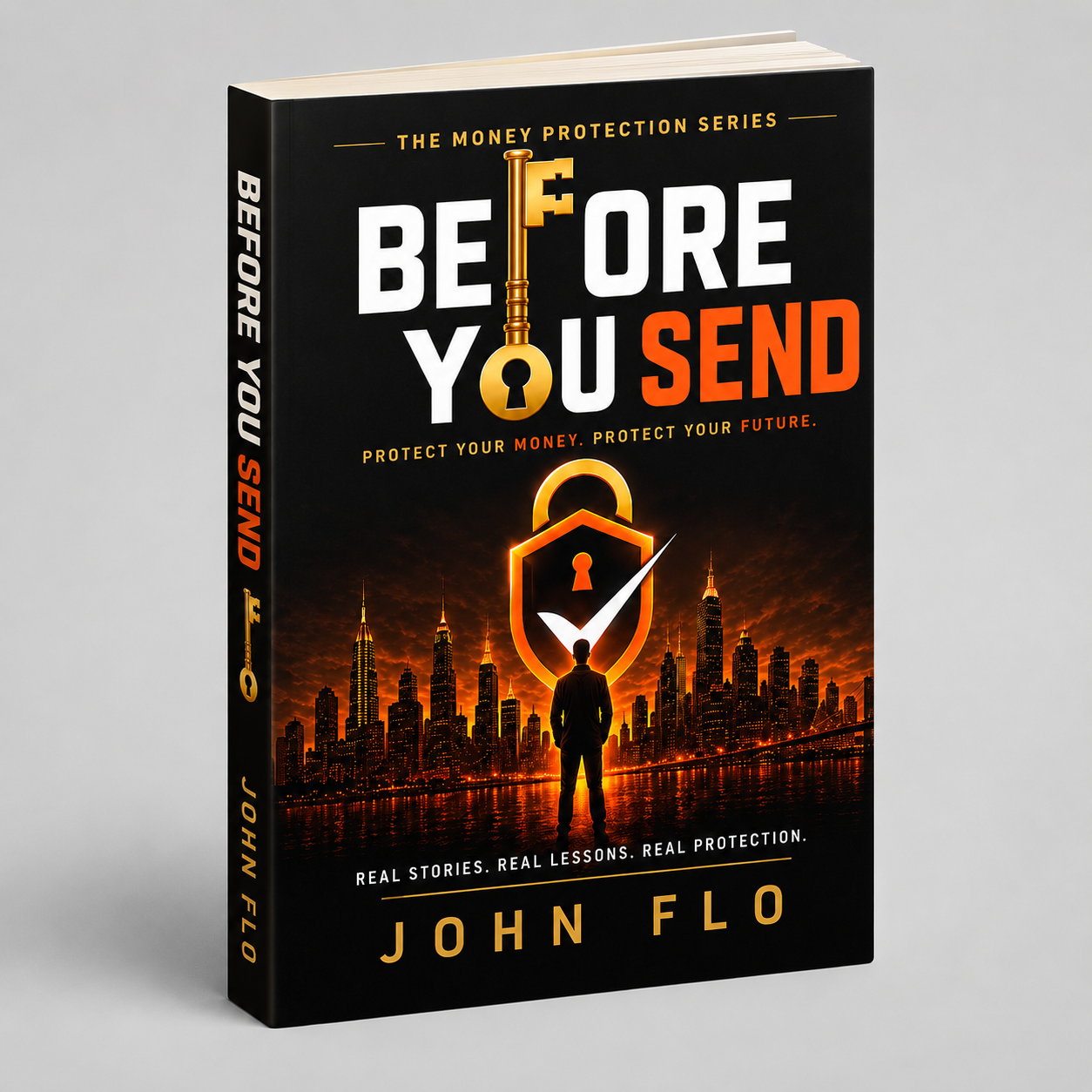
BEFORE YOU SEND
One message can change everything.
It may look like a family member asking for emergency help, a business opportunity that cannot wait, a romantic partner requesting assistance, or a company claiming there is a problem with your account.
The message may sound convincing. The profile may look legitimate. The person may even know personal details about you.
But before you send money, share a verification code, click a link, or provide private information, take a moment to pause.
That short pause could protect your money, identity, and peace of mind.
Here are seven warning signs you should never ignore.
1. They pressure you to act immediately
Scammers often create urgency because they do not want you to have time to think.
You may hear:
- “Send it right now.”
- “Your account will be closed today.”
- “Do not tell anyone.”
- “This opportunity expires in ten minutes.”
A legitimate company, friend, or family member should allow you enough time to verify what is happening.
Pressure is not proof. Slow down before responding.
2. They request an unusual payment method
Be cautious when someone demands payment through gift cards, cryptocurrency, wire transfers, payment apps, or another method that may be difficult to reverse.
A person may claim that this is the only way they can receive the money. That alone does not make the request legitimate.
Before sending anything, independently confirm the person’s identity and the reason for the payment.
3. The offer sounds too good to be true
You may be promised guaranteed profits, a prize you never entered to win, an unusually cheap product, a high-paying job with no interview, or an investment with no risk.
Scammers understand that excitement can overpower caution.
Ask yourself:
Why was I selected? How does this person make money? Can these claims be verified independently?
A good opportunity should survive a few questions.
4. The person refuses to verify their identity
Do not rely only on a profile picture, caller ID, email address, or familiar username. Accounts can be copied, hacked, or impersonated.
Request a live video call, contact the person through a number you already trust, or ask a question only the real person should know.
Do not use the contact information provided in the suspicious message. Find the official information yourself.
5. They ask you to keep the situation secret
Secrecy is a powerful warning sign.
A scammer may tell you not to contact your bank, family, employer, police, or another trusted person. They know that a second opinion could expose the scam.
Before making a large or unusual payment, speak with someone you trust.
You are not weak for asking questions. You are protecting yourself.
6. The message contains suspicious links or attachments
A link may look almost identical to a legitimate company’s website while sending you somewhere completely different.
Instead of clicking the link, open the company’s official app or type its known website address into your browser.
Never enter your password, banking information, Social Security number, or verification code unless you are completely certain you are using the official service.
7. The story keeps changing
Pay attention when explanations do not match.
The person may change the reason they need money, avoid direct questions, make excuses for why they cannot speak by phone, or continually request additional payments.
Confusion can be intentional. Scammers may keep changing the story until you become emotionally exhausted and send the money just to resolve the situation.
Step back and review the entire conversation from the beginning.
What should you do before sending money?
Use this simple process:
Stop. Verify. Confirm. Then decide.
Take screenshots of the conversation. Search the person’s name, business, phone number, and payment instructions. Contact the company or individual through an official channel. Ask someone you trust to review the situation with you.
Most importantly, never allow embarrassment to stop you from asking for help.
Smart, educated, experienced people can still be deceived. Scammers do not only target careless people they target emotions, trust, urgency, fear, hope, and opportunity.
Protection starts before the payment
I wrote Before You Send to help people recognize warning signs before money or personal information leaves their hands.
This is more than a book. It is a practical reminder to pause, verify, and protect yourself.
It can also be shared with parents, grandparents, young adults, friends, business owners, and anyone who communicates or makes payments online.
$15 could save you $1,500.
Protect yourself. Protect your family. Protect your community.
Get your copy of Before You Send by John Flo