
Finding a campsite today isn’t the same as it was ten years ago.
Between federal reservation systems, state park portals, and third-party camping apps, planning has become digital — sometimes confusingly so.
Here’s a practical breakdown of what’s worth using and when.
National Park Reservations (Recreation.gov)
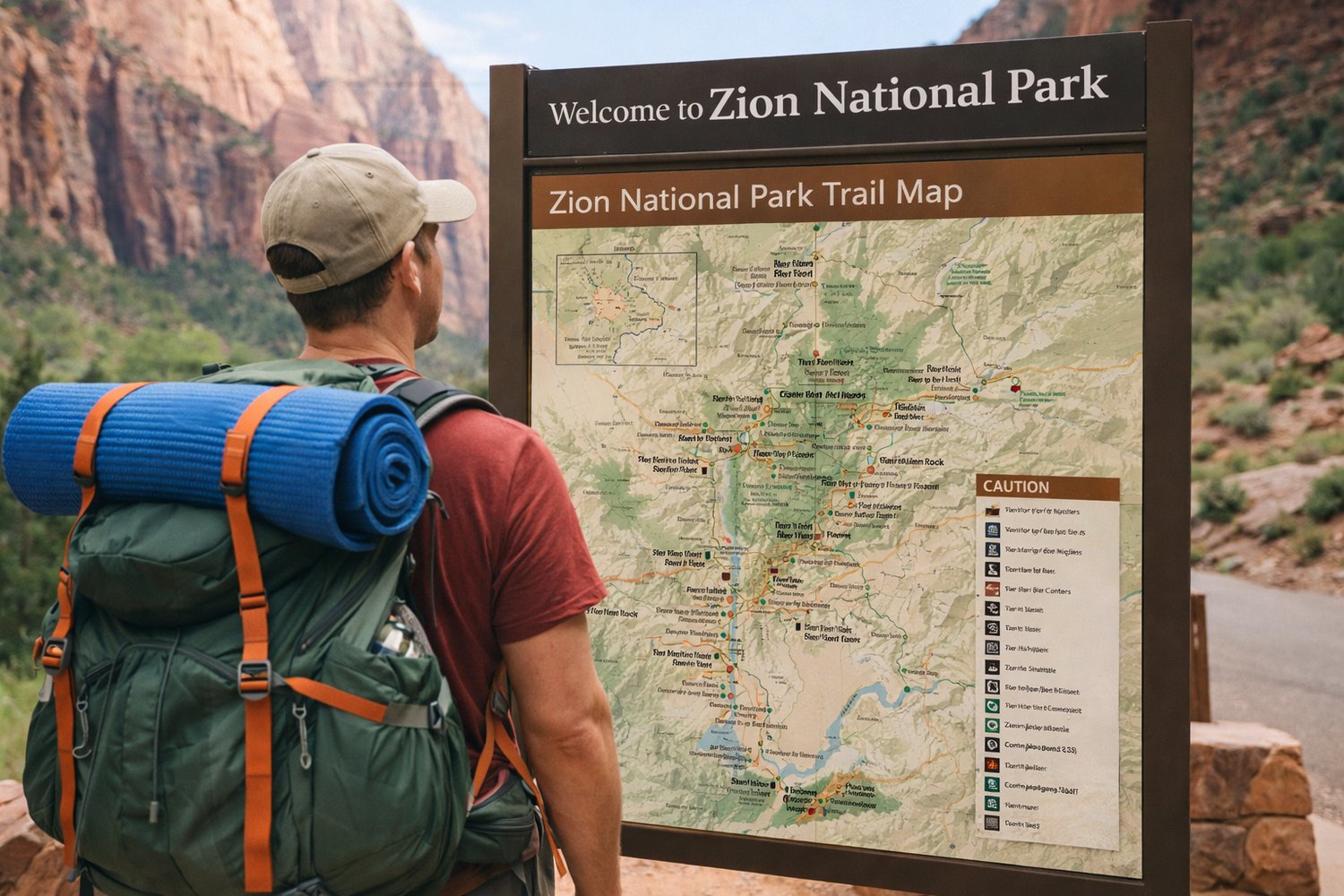
Most U.S. National Park campgrounds operate through Recreation.gov
This includes parks like:
Pros:
- Official listings
- Accurate availability
- Site-specific information
Cons:
- High demand during peak season
- Competitive booking windows
If you’re camping in a national park, this is your primary resource.
State Park Systems
Each state operates its own reservation system.
For example:
- Florida uses Florida State Park.org
- California uses ReserveCalifornia
- Texas uses Texas State Parks Reservation System
State parks often:
- Have better infrastructure
- Offer easier availability
- Provide more flexible camping styles
They’re frequently overlooked compared to National Parks.
Third-Party Camping Apps
Apps like The Dyrt, Hipcamp, and Reserve America offer alternative site discovery.
These platforms are useful for:
- Dispersed camping research
- Private land options
- Reviews from other campers
However, always verify regulations and land access before relying solely on user-submitted data.
Match the Tool to the Trip
National Park? Start with Recreation.gov.
State park loop? Go directly to the state reservation site.
Dispersed or flexible route? Supplement with trusted apps.
Before finalizing any booking, think through your setup:
- Does the site support your shelter size?
- Will you need additional storage structure? (see Tents & Storage)
- Are evening lighting needs addressed? (explore Fire & Lighting)
- Are you bringing animals? Plan accordingly with Gear for Their Pack
Booking the site is step one. Making it function well is step two.
From The Ember Logbook
Camping Bear Equipment
Gear that earns its pack space.